Should I Wait For Mortgage Rates to Come Down Before I Buy a Home?

As potential homebuyers navigate the current market, many are debating whether it’s better to purchase a home now or wait for mortgage rates to potentially drop. While it might seem wise to hold off in hopes of securing a lower rate, waiting carries its own risks, such as rising home prices and increased competition when rates eventually decline. In this blog, we’ll explore the factors that influence mortgage rates and weigh the pros and cons of buying a house now versus waiting.

What Is the Federal Reserve?

The image shows the Federal Reserve Building in Washington, D.C., a large neoclassical structure made of white marble.

The Federal Reserve, often referred to as “the Fed,” is the central banking system of the United States. It was established in 1913 with the goal of providing the country with a safe, flexible, and stable monetary and financial system. One of the Fed’s primary responsibilities is to manage the nation’s monetary policy, which includes controlling interest rates, regulating the supply of money, and fostering conditions for maximum employment and stable prices. This makes the Federal Reserve a key player in influencing economic conditions across the country, including the mortgage market.

One of the ways the Fed influences mortgage rates is by adjusting the fed funds rate, which is the rate at which banks borrow and lend to each other overnight. When the Fed raises this rate, it becomes more expensive for banks to borrow, which in turn can lead to higher mortgage rates for consumers. Conversely, when the Fed lowers the fed funds rate, it can lead to lower mortgage rates. While the fed funds rate doesn’t directly dictate mortgage rates, it heavily influences the overall cost of borrowing in the economy, including home loans.

It’s important to note that the Federal Reserve’s actions are often based on larger economic factors such as inflation, employment, and overall economic growth. For homebuyers, understanding how the Fed operates and the reasons behind its decisions can provide valuable insight into whether mortgage rates are likely to rise or fall in the future. However, timing the market based on Fed policy can be challenging, as these decisions are influenced by a wide range of unpredictable economic conditions.

When Will Mortgage Rates Go Down to 3%?

Predicting when mortgage rates will drop to 3% again is difficult, as it depends on several economic factors, such as inflation, Federal Reserve policies, and the labor market conditions. We last saw mortgage rates hit 3% during the COVID-19 pandemic. At that time, the Federal Reserve took drastic measures to stimulate the economy and prevent a financial collapse. By lowering the federal funds rate and buying large amounts of mortgage-backed securities, the Fed helped drive mortgage rates to historically low levels. This was part of an effort to encourage borrowing and spending, which were critical to keeping the economy afloat during a time of uncertainty.

However, the factors that led to those 3% rates were unique to the pandemic. With inflation currently a major concern and the Fed focused on raising rates to control rising prices, it’s unlikely that we’ll see 3% mortgage rates in the near future. For rates to drop that low again, the economy would need to experience a significant downturn, prompting the Fed to reverse its current course and return to more accommodative monetary policies.

Why Waiting to Buy Is a Bad Idea

Home Prices May Rise While You Wait to Buy

One of the biggest risks in waiting for mortgage rates to drop is that home prices could increase during that time. Real estate markets, especially in desirable areas, are influenced by supply and demand, and even in periods of higher interest rates, demand for homes can still be strong. If you hold off on buying while hoping for lower rates, you may find yourself facing higher home prices down the line, which can negate any savings you might get from a lower interest rate.

Additionally, the housing market is known for its cyclical nature. Prices may not just rise but could escalate quickly if inventory remains tight or if the economy strengthens further. In such a scenario, the potential gains of waiting for lower mortgage rates could be offset by a more expensive home purchase and higher prices overall. That means you might end up spending more on your dream home than if you had locked in today’s rates and acted sooner.

It’s important to weigh the potential benefits of lower mortgage rates against the reality of rising home prices. Even if mortgage rates were to decrease in the future, you could end up with a higher monthly payment if the home you’re eyeing appreciates in value. By purchasing now, you can potentially benefit from the market’s current pricing and start building equity, which can work in your favor over the long term. Working with a real estate agent can help you navigate the market and make competitive offers.

Lower Rates Could Spark Competition – and Drive Prices Higher

If mortgage rates eventually fall, it could lead to a surge in demand as buyers who’ve been sitting on the sidelines rush into the market. This increased competition could drive home prices higher, as more people bid on a limited number of available properties. In such a scenario, even though you’d benefit from lower mortgage rates, you might find yourself paying more for the home itself. For some potential buyers, this could negate the advantage of reduced interest rates, leaving them with a similar monthly payment to what they would have had at a higher rate but lower home price.

Additionally, homeowners who were previously hesitant to sell due to high rates may decide to list their homes, further increasing the supply of houses on the market. However, this influx of listings may not be enough to keep up with demand, particularly in markets where inventory is already tight. This creates an environment where prices rise quickly, making it harder for buyers to secure a deal without getting into bidding wars.

If you’re waiting for lower rates, it’s important to keep in mind that while your mortgage payments may be lower, you could end up spending more on the property itself, which could impact your long-term financial outlook. Buying a home now could allow you to lock in a lower price before the market heats up, with the option to refinance when rates eventually drop.

When Buying a Home Now Makes Sense

A close-up image shows a real estate transaction where one hand, dressed in a professional suit, is handing over a set of house keys to another outstretched hand. In the background, a "For Sale" sign with a "Sold" sticker is visible, slightly out of focus, symbolizing a completed home purchase.

If you’re financially ready and planning to stay in the same place for the foreseeable future, buying a home now can still be a wise decision, even with current mortgage rates. The key factor is your personal situation. If you have a stable income, a solid down payment, and a clear idea of your long-term goals, homeownership can offer security and the opportunity to build equity. Renting may offer flexibility, but if you plan to stay in the same area for several years, buying a home allows you to invest in your future rather than paying someone else’s mortgage.

Another important consideration is whether you can comfortably afford the monthly mortgage payments. If you’re financially prepared and can handle the higher payments associated with current rates, it may make more sense to buy now rather than wait. As home prices and rental costs continue to rise, waiting could end up costing more in the long run, even if rates eventually decline. By buying now, you can lock in today’s prices and begin building equity immediately.

Additionally, if you’re planning to make this house your long-term home, short-term fluctuations in mortgage rates become less of a concern. Over time, your home’s value is likely to appreciate, and you may have the opportunity to refinance down the road if rates decrease. In the meantime, you’ll be investing in a place that you can truly call your own, creating stability and potentially saving money compared to renting.

When Waiting to Buy a Home Makes Sense

In some situations, holding off on purchasing a home can be a smart financial decision. If you’re currently in a financial position where saving for a larger down payment would benefit you in the long term, waiting can help you secure more favorable terms. A larger down payment can lower your monthly mortgage payment and reduce the overall interest you’ll pay over the life of the loan. If your credit score needs improvement, waiting could also give you time to work on boosting it, which can lead to better mortgage offers and lower interest rates when you’re ready to do buy a house.

Additionally, if you’re in a volatile housing market where house prices are fluctuating significantly, it might be wise to wait until there’s more stability. Buying during a peak could mean paying more than the home’s long-term value. A little patience in these cases could lead to better timing and more affordable home prices. Consulting with real estate professionals to monitor the market trends in your area can help you make an informed decision about whether now is the right time to buy.

Finally, your personal life circumstances should also be a major factor. If you’re planning a major life change, like starting a new job in a different city or expecting a shift in family size, waiting until you’re more settled can make the home-buying process smoother. Having clarity on your long-term needs will help you make the best choice in terms of the size, location, and type of home you purchase.

What Homebuyers Should (and Shouldn’t) Do as They Wait for Mortgage Interest Rates to Drop

As you wait for mortgage interest rates to potentially drop, there are several strategic steps you can take to prepare yourself for the best possible outcome. However, there are also some actions you should avoid. Here’s what you need to know:

What You Should Do

1. Focus on Strengthening Your Financial Health

Use this waiting period to improve your credit score, pay down debts, and build up your savings. A stronger financial profile can get mortgage lenders to help you secure a better rate, even if rates don’t drop as much as expected. Lenders often offer more favorable terms to borrowers with high credit scores and a low debt-to-income ratio.

2. Save for a Larger Down Payment

The bigger your down payment, the lower your loan-to-value ratio, which can help you secure better terms when it’s time to buy. Start putting aside extra savings now, and by the time you’re ready, you could have more leverage in negotiating your mortgage.

3. Monitor the Market

Keep a close eye on mortgage rate trends, housing prices, and market forecasts. Staying informed will help you make a data-driven decision about when to enter the market. Remember, mortgage rates are just one factor—housing prices could also fluctuate, and a great deal on a home might outweigh a higher interest rate.

4. Get Pre-Approved for a Mortgage

Even if you’re waiting for rates to come down, it’s a good idea to get pre-approved for a mortgage. This will give you a clear picture of how much you can afford and make you a more competitive buyer when the time is right.

What You Shouldn’t Do

1. Don’t Assume Rates Will Fall Dramatically

While it’s possible that rates could drop, banking on a significant decrease could mean waiting longer than necessary and missing out on opportunities. The housing market can be unpredictable, and there’s no guarantee that waiting until rates fall will save you money in the long run.

2. Avoid Delaying the Home Search Entirely

While you may be waiting for interest rates to drop, you shouldn’t pause your home search. The right home might come along sooner than expected, and in some cases, a slightly higher mortgage rate may still be worth it for the right property.

3. Don’t Make Large Financial Moves

As you wait, avoid making any big purchases or opening new lines of credit. These actions can negatively impact your credit score and alter your financial situation, potentially affecting your ability to get approved for a mortgage when the time comes.

By focusing on these do’s and don’ts, you’ll be in a strong position to move forward when the time is right, whether rates drop or not.

Are Adjustable-Rate Mortgages (ARMs) a Good Choice When Rates Are Fluctuating?

Adjustable-rate mortgages (ARMs) can be an appealing option in an environment where mortgage rates are fluctuating, but they come with both benefits and risks. Unlike fixed-rate mortgages, which lock in an interest rate for the entire life of the loan, ARMs offer a lower initial rate that remains fixed for a predetermined period—typically 5, 7, or 10 years—before adjusting annually based on broader market trends. This structure allows borrowers to take advantage of lower initial payments and potentially qualify for a larger loan. However, once the initial period ends, the interest rate can rise significantly, depending on market conditions, resulting in higher monthly payments.

The key benefit of an ARM is the ability to secure a lower rate upfront, making them a particularly attractive option for buyers who don’t plan to stay in the home long-term. For example, if you intend to move or refinance before the fixed-rate period ends, you could save money compared to a traditional fixed-rate mortgage. Additionally, in a rising rate environment, locking in a lower rate for even a few years can be a strategic advantage, allowing homeowners to capitalize on potential future rate declines.

However, ARMs carry inherent risks, especially in a volatile interest rate environment. If rates rise sharply by the time the loan’s fixed-rate period ends, borrowers could face substantial increases in their monthly payments. This unpredictability makes it essential to carefully evaluate your financial stability and long-term plans before opting for an ARM. While they can provide short-term savings, it’s crucial to weigh those benefits against the potential for higher costs down the road. Ultimately, ARMs are best suited for financially flexible borrowers who have a clear exit strategy in mind and are comfortable managing the uncertainty of future rate changes.


In the end, deciding whether to wait for mortgage rates to drop or buy now depends on your financial situation, goals, and the current market conditions. While waiting might seem like a safe bet, rising home prices or increased competition could offset the benefit of a lower rate. If you’re ready to take the next step toward homeownership, locking in today’s prices and starting to build equity may be the smartest move. To help you navigate this decision with confidence, Bernie Gallerani Real Estate is here to guide you every step of the way. We also have an in-house mortgage company, Xperience Mortgage, to help you navigate all your motgage options. Contact us today to discuss your options and find the perfect home for you.

Saving Strategies Every First-Time Homebuyer Needs to Know

Buying your first home is a significant milestone, but it often comes with a daunting financial journey. Whether you’re planning to buy within the next year or further down the road, building a solid savings strategy is key to making homeownership a reality. For first-time homebuyers, understanding how to save smartly and prepare for the associated costs can ease the stress and put you on the path to success. From setting a realistic budget to exploring assistance programs, this guide outlines the essential savings strategies every first that every first-time homebuyer should know to help them achieve their dream.

Set a Realistic Homebuying Budget

Before you start browsing listings, it’s essential to set a realistic homebuying budget. This budget should be based on your current financial situation and future goals, ensuring that you can comfortably afford both the upfront costs and ongoing expenses of homeownership. A good starting point is to assess your income, savings, and debt to get a clear picture of what you can afford without stretching your finances too thin.

Experts often recommend following the 28/36 rule, which suggests that no more than 28% of your gross monthly income should go toward housing costs (including mortgage payments, property taxes, and insurance), and no more than 36% should cover all of your debt obligations. By sticking to this formula, you can avoid taking on more house than you can reasonably afford, which reduces the risk of financial strain later on.

In addition to the mortgage, consider other costs like closing fees, property maintenance, and potential renovations. It’s also wise to factor in fluctuating expenses, such as property taxes and homeowner’s insurance, which may rise over time. By setting a comprehensive, realistic, and detailed budget, you’ll have a clearer path forward and be better prepared for both the expected and unexpected costs of owning a home.

Calculate Your Down Payment Goal

Close-up view of two people reviewing financial information at a desk. One person holds a large calculator displaying a number, while the other holds a pen, preparing to sign a document labeled 'MyBank' next to a laptop.

One of the most critical steps in saving for your first home is determining how much you’ll need for the down payment. Typically, lenders require anywhere from 3% to 20% of the home’s purchase price, depending on the type of loan you choose. While a smaller down payment might be tempting, putting down at least 20% can help you avoid private mortgage insurance (PMI), which adds to your monthly costs. However, even if 20% isn’t feasible, don’t be discouraged—many loan programs, especially for first-time homebuyers, offer lower down payment options.

To calculate your down payment goal, start by researching home prices in the area where you’re looking to buy. Use those prices as a benchmark and apply the percentage you plan to put down. For example, if you’re looking at homes that average $300,000 and you aim for a 10% down payment, you’ll need $30,000 saved. Setting a clear savings target will make it easier to budget and track your progress and adjust your budget along the way.

Don’t forget to account for other costs you might face upfront, such as closing fees and moving expenses. While the down payment is likely to be your biggest immediate expense, having a comprehensive savings plan that considers all financial aspects of buying a home will better prepare you for the journey ahead.

Explore First-Time Homebuyer Assistance Programs

For many first-time homebuyers, finding the funds for a down payment and closing costs can feel overwhelming. Fortunately, there are numerous assistance programs designed to help reduce these financial burdens. These programs, often offered by federal, state, and local governments, as well as non-profit organizations, can provide grants, low-interest loans, or tax incentives to help first-time buyers enter the housing market.

One of the most well-known options is the Federal Housing Administration (FHA) loan, which allows buyers to make a down payment as low as 3.5% with less stringent credit score requirements. Additionally, many states offer their own first-time homebuyer programs, which often include down payment assistance, closing cost help, or discounted mortgage rates. Researching and applying for these programs early can make a significant difference in your ability to afford your first home.

Beyond government programs, there are also non-profit organizations and community-based programs that can offer assistance. These programs may focus on specific populations, such as veterans, teachers, or low-income households. It’s essential to do thorough research to understand the qualifications and benefits each program offers. By exploring all available resources, you can ease the financial pressure and make your homebuying journey smoother.

Build a Solid Emergency Fund

Before you begin your journey toward homeownership, it’s essential to have a robust emergency fund in place. Buying a home comes with unexpected costs that can arise at any time, from repairs and maintenance to fluctuations in utility bills. Having an emergency fund will give you the financial cushion you need to handle unforeseen expenses without derailing your budget or adding unnecessary debt.

An ideal emergency fund should cover at least three to six months of living expenses, including mortgage payments, utilities, groceries, and other necessities. This ensures that if you experience a loss of income, job transition, or sudden financial burden, you can stay afloat without compromising your ability to make mortgage payments. It also provides peace of mind during the home-buying process, as you’ll be better equipped to handle any bumps in the road.

Start building your fund early, and prioritize it as part of your saving strategy. Consider setting up automatic transfers to a separate high-yield savings account to grow your fund steadily without being tempted to spend it. While it may seem like a large commitment, having a solid emergency fund will ultimately provide long-term stability in your financial future as a homeowner.

Cut Unnecessary Expenses

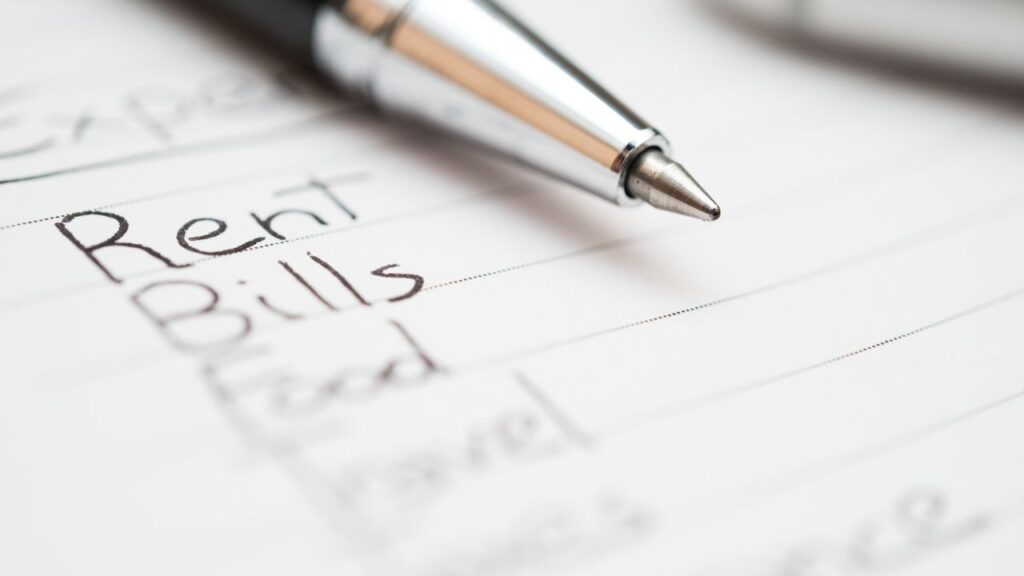
The image shows a close-up of a pen resting on a sheet of paper with a handwritten list of expenses, including items such as "Rent," "Bills," and "Food."

One of the quickest ways to accelerate your home savings is by trimming unnecessary expenses. Begin by reviewing your current spending habits and identifying areas where you can cut back. This might include reducing discretionary spending such as dining out, entertainment subscriptions, or luxury purchases. Small financial sacrifices made now can lead to significant savings over time, helping you reach your down payment goal faster.

Creating a monthly budget can also keep you on track. By categorizing your expenses, you’ll have a clearer picture of where your money is going. Consider setting limits on non-essential or unnecessary spending, and redirecting that money into your homebuying savings. For example, instead of going out to dinner several times a week, try cooking more meals at home. These adjustments may seem minor, but they add up over time.

Finally, look for opportunities to save on your fixed expenses as well. Review your utility bills, insurance policies, and recurring payments to see if there are cheaper alternatives. Comparison shopping for better deals on services like internet, phone plans, or car insurance are a few strategies that could free up extra cash to contribute toward your home fund. The more disciplined you are with your spending, the quicker you’ll be able to achieve your homeownership dreams.

Maximize Your Savings with High-Interest Accounts

One of the most effective ways to grow your savings faster is by taking advantage of high-interest savings accounts. Traditional savings accounts typically offer minimal interest, which does little to accelerate your savings. Instead, consider opening a high-yield savings account (HYSA) or a money market account. These accounts offer significantly higher interest rates, allowing your money to work harder for you without any added risk.

With a high-yield savings account, you can continue to save toward your down payment while earning more interest than you would with a standard account. Many HYSAs are easy to set up, have no minimum balance requirements, and can be managed online. Over time, the compounded interest can make a noticeable difference, especially if you set up automatic transfers to consistently grow your balance.

Before selecting an account, make sure to compare interest rates and fees between different banks or credit unions. Some accounts may come with limitations, such as monthly transaction limits or required minimum balances, so it’s essential to choose the one that best suits your financial habits.

Improve Your Credit Score Early

credit

Your credit score plays a crucial role in the homebuying process, as it directly impacts the mortgage rates you’ll be offered. A higher credit score can save you thousands of dollars over the life of a loan by securing you a lower interest rate. That’s why it’s essential to start improving your credit score well before you begin house hunting.

Begin by checking your credit report for any errors or inaccuracies that might be negatively affecting your score. You’re entitled to a free annual report from major credit bureaus, so use this opportunity to dispute any discrepancies. Paying off outstanding debts, especially high-interest credit card balances, is another effective way to boost your score. Aim to keep your credit utilization ratio below 30% to show lenders you’re a responsible borrower.

In addition to reducing debt, make sure you’re consistently paying your bills on time. Late or missed payments can significantly lower your score, and recovering from them takes time. If you’re concerned about missing a payment, consider setting up automatic payments or reminders. With steady effort and a focus on managing debt responsibly, you’ll be in a much better position to secure favorable mortgage terms when the time comes.

Understand the Hidden Costs of Homeownership

When purchasing your first home, it’s easy to focus solely on the price tag and the down payment. However, many first-time homebuyers overlook the hidden costs associated with homeownership, which can catch you off guard if you’re not prepared. These expenses go beyond the monthly mortgage payment and can significantly impact your overall budget if not accounted for properly.

One of the most commonly overlooked costs is property taxes. These vary depending on where your home is located and can be a substantial addition to your monthly or annual expenses. Along with property taxes, homeowners’ insurance is another recurring cost that’s often higher than renters’ insurance and is essential for protecting your investment. Be sure to shop around and compare insurance rates to avoid overpaying.

Maintenance and repairs are inevitable parts of owning a home, and they can add up quickly. From fixing a leaky roof to replacing aging appliances, home maintenance requires a financial cushion. Setting aside at least 1% to 3% of your home’s value annually for repairs and upkeep can help you avoid financial strain when unexpected issues arise. By understanding these hidden costs and planning for them in advance, you can avoid being blindsided and ensure a smoother transition into homeownership.

Automate Your Savings

One of the easiest ways to ensure you’re consistently saving for your first home is to automate the process. By setting up automatic transfers from your checking account to a dedicated savings account, you eliminate the temptation to spend the money elsewhere. Many banks and financial apps allow you to schedule these transfers on a recurring basis, such as weekly, bi-weekly, or monthly, depending on when you receive your paycheck. This approach takes the pressure off and ensures that you’re making steady progress toward your goal, even when life gets busy.

In addition to setting up transfers, you can explore tools that round up your everyday purchases to the nearest dollar and deposit the difference into your savings. These small contributions may seem minor, but they can add up significantly over time, especially if you’re disciplined with your spending. Automating your savings also helps you develop a habit of consistent contributions, turning saving into a natural part of your financial routine.

The key to successful automated and savings strategies is to treat your home fund like a non-negotiable bill. By prioritizing this payment just as you would rent or utilities, you’ll be well on your way to accumulating the funds you need for a down payment.

Stay Flexible and Plan for Market Fluctuations

The image shows small red and green toy houses placed on top of a financial chart, with a fluctuating graph in the background.

The real estate market can be unpredictable, with fluctuations that may affect your home-buying journey. As a first-time homebuyer, it’s essential to stay flexible in both your expectations and your financial plans. Interest rates, property values, and even the availability of homes can shift dramatically over time, and being adaptable will help you navigate these changes with confidence.

One key strategy is to have a backup plan if market conditions become unfavorable. For example, if interest rates rise suddenly, your purchasing power may decrease. In this case, you might need to adjust your budget, reconsider the size or location of the home you’re targeting, or even delay your purchase until conditions stabilize. By staying open to these possibilities, you’ll avoid feeling pressured into making a decision that doesn’t fit your long-term goals.

Additionally, it’s important to monitor market trends and remain informed about economic shifts that could impact your home purchase. Working with a knowledgeable real estate agent can help you identify when it might be a good time to buy or wait. Flexibility, combined with careful planning, will ensure you’re well-prepared for any unexpected changes in the market.

Consider Alternative Saving Strategies Like Side Jobs

Saving for your first home can feel overwhelming, especially when balancing everyday expenses and long-term goals. One way to speed up the process is by exploring side jobs or alternative income streams. Taking on a part-time gig or freelancing can provide the extra boost you need to reach your savings target sooner without disrupting your primary income or lifestyle too drastically. Whether it’s driving for a rideshare company, tutoring, or offering a service you’re skilled at, a side job can give your homebuying fund a substantial lift.

The beauty of a side job is its flexibility. You can choose how much time to dedicate and adjust your hours based on your other commitments. For example, freelancing platforms offer opportunities for writing, graphic design, and virtual assistance, which can be done from home, making it easier to balance with your full-time job. If you prefer more hands-on work, consider jobs like dog walking or weekend gigs that fit into your schedule. Every extra dollar earned is a step closer to your homeownership goal.

Beyond the extra income, side jobs can also offer tax benefits that help your savings grow faster. Keep in mind, though, that it’s essential to manage your time well and avoid burnout. The key is to find a balance that helps you achieve your financial goals without overwhelming yourself in the process.


Saving for your first home may seem overwhelming, but with careful planning and the right strategies, you can confidently reach your homeownership goals. From setting a realistic budget to exploring assistance programs and cutting unnecessary expenses, these steps will help you stay on track throughout your journey. If you’re ready to take the next step and explore homes in Middle Tennessee, our team at Bernie Gallerani Real Estate is here to guide you through the process. Plus, with our in-house mortgage company, Xperience Mortgage, we can help you secure the best rate to make your home purchase even more affordable. Contact us today, and let us help you find the perfect home to fit your needs and budget.

What to Do When Your House Doesn’t Sell

Selling a home can be a challenging and emotionally taxing experience, especially when the house lingers on the market longer than anticipated. As days turn into weeks and then months, it’s natural to feel frustrated or worried about the lack of offers. However, there are proactive steps you can take to improve your chances of closing a deal. Whether it’s reassessing your pricing strategy, enhancing your home’s appeal, or exploring alternative selling methods, understanding why your house isn’t selling is the first step toward finding a solution. In this blog post, we’ll explore practical tips and strategies to help you navigate this tricky situation and get your home sold.

When Should You Start Getting Worried About Your House Not Selling? 

When selling a house, it’s natural to feel a bit anxious if your property doesn’t attract immediate offers. However, the point at which you should start worrying depends on various factors, including market conditions, your home’s price point, and how long similar homes in your area take to sell. Generally, if your home has been on the market for 30 to 45 days without significant interest or offers, it might be time to reassess your strategy.

The real estate market is highly dynamic, and what’s considered a “normal” time to sell can vary widely. In a hot seller’s market, homes might go under contract within days or even hours, so any delay could be cause for concern. On the other hand, in a slower market, homes can take several months to sell. If similar properties in your area are selling within a shorter time frame, yet your home remains unsold, this could be an indicator that something is amiss.

It’s important to start evaluating potential issues after the first few weeks. If your home has been on the market for 60 days or more without an offer, this is typically a red flag. At this point, you should consult with your real estate agent to discuss feedback from showings, reconsider your asking price, or explore other factors that might be hindering the sale. Addressing these concerns promptly can make the difference between eventually finding the right buyer and having your home linger on the market indefinitely.

Things to Do When Your House Doesn’t Sell

Evaluate Your Application of the Agent’s Advice

The image shows two people sitting at a table engaged in a discussion, likely related to real estate or financial planning. One person is holding a pen and pointing at a document with charts and numbers, possibly explaining or reviewing details. The other person is sitting with their hands clasped, listening attentively. On the table, there are various items including a clipboard with a document, a small wooden model of a house, a calculator, and more papers. The overall scene suggests a professional consultation, possibly regarding a real estate transaction, mortgage, or financial advice.

One of the first steps you should take when your house isn’t selling is to critically assess how well you’ve followed the advice given by your real estate agent. A skilled agent brings years of experience and market knowledge to the table, offering guidance on everything from pricing strategies to staging tips. However, even the best advice can fall flat if not executed properly. Remember, your agent has a vested interest in helping you sell your home quickly and at the best possible price.

Start by revisiting the suggestions your agent made at the beginning of the selling process. Did you take their advice on setting the initial price, or did you insist on a higher number, hoping to negotiate down later? Overpricing is one of the most common reasons a property remains unsold. In a competitive market, buyers have plenty of options, and an overpriced home is often quickly dismissed in favor of more reasonably priced alternatives. It might be time to reconsider if you haven’t fully embraced your agent’s pricing strategy.

Beyond pricing, consider other recommendations your agent may have made, such as home staging, curb appeal improvements, or minor repairs. These suggestions are often based on what appeals to buyers in your specific market. For example, if your agent recommended decluttering and modernizing certain rooms, but you were reluctant to make those changes, your home might not be showing as well as it could be. Take a critical look at your property through the eyes of potential buyers and see if there’s room for improvement. Sometimes, small adjustments can make a big difference in how your home is perceived and, ultimately, how quickly it sells.

Lastly, remember that communication with your agent is key. If you have concerns about their advice or if something doesn’t seem to be working, discuss it openly. Your agent is your partner in this process, and they can only help if they know where you stand. Together, you can re-evaluate strategies, make necessary adjustments, and increase the chances of selling your home successfully.

Switch Real Estate Agents

If your house has been on the market for an extended period without significant interest, it may be time to consider switching real estate agents. While many factors can contribute to a home not selling—such as market conditions, pricing, or the property itself—your agent’s effectiveness plays a crucial role. A fresh perspective and a new approach could be what’s needed to finally attract the right buyers.

Start by evaluating your current agent’s performance. Are they proactive in marketing your home? Have they provided you with regular updates and honest feedback? Do they have a solid understanding of the local market? If your agent hasn’t met your expectations in these areas, it might be time to explore other options. A different agent may offer a more aggressive marketing strategy, a larger network of potential buyers, or simply a better understanding of how to showcase your home’s unique features.

When choosing a new real estate agent, look for someone with a proven track record of selling homes similar to yours in your area. Ask for references, check their recent sales history, focusing on recently sold homes similar to yours in your area, and inquire about their approach to marketing and negotiation. Remember, switching agents is not just about finding someone new; it’s about finding someone better suited to help you achieve your goal of selling your home.

Get People In The Door

The image shows a real estate agent welcoming a couple into a bright, spacious room, likely during a home showing. The couple, a man and a woman, are entering through the front door with smiles on their faces. The man is holding the door open while the woman walks in first, carrying a handbag. The real estate agent, dressed in a navy blue suit, is standing inside the room, gesturing with one hand, possibly pointing out features of the home or inviting them further inside. The room has light-colored hardwood floors, white walls with wainscoting, and large windows that allow natural light to flood the space, creating a welcoming atmosphere.

One of the most crucial steps in selling your home is ensuring that potential buyers are walking through the door. If your house has been on the market for a while with few or no showings, it’s time to reassess your strategy to make it more appealing and accessible to prospective buyers.

Start by evaluating your home’s curb appeal. The exterior of your home is the first thing buyers see, setting the tone for what they can expect inside. A well-maintained lawn, fresh paint, and clean windows can make a significant difference in drawing interest to attract buyers.

Next, rethink your marketing efforts. In today’s digital age, online listings are often the first point of contact for potential buyers. Ensure that your listing photos are high quality and showcase your home’s best features. If necessary, invest in a professional photographer or virtual staging to make your home stand out.

When it comes to showings, it’s important to make your home as accessible and welcoming as possible. A key part of this is ensuring that you, the homeowner, are not present during showings. Buyers need to feel comfortable exploring the space and imagining themselves living there, which can be difficult if the current owner is hovering nearby. Give them the freedom to take their time and ask the agent questions without feeling rushed or awkward. Scheduling open houses or flexible showing times when you’re not home will make it easier for more people to visit and could lead to more serious interest. Remember, the more people who walk through your door, the higher the chances of receiving an offer.

Get Buyer Feedback

One of the most valuable actions you can take when your house isn’t selling is to gather feedback from potential buyers. After each showing, ask your real estate agent to contact the buyer’s agent and inquire about their client’s thoughts. Understanding what buyers like and dislike about your property can provide critical insights into why offers aren’t coming in. Perhaps there are issues you were unaware of, such as an off-putting odor, outdated fixtures, or a layout that isn’t as functional as you thought.

Collecting this feedback helps you identify patterns or common concerns. If multiple buyers mention the same issue—such as the kitchen feeling too small or the home being priced too high—you’ll know it needs attention. Addressing these concerns could involve making small improvements, adjusting the price, or simply highlighting certain features differently in your marketing.

In addition to practical adjustments, buyer feedback can help you and your agent better tailor your strategy moving forward. For example, if buyers consistently say the home is priced above market value, it may be time to reconsider your pricing strategy. Conversely, if buyers love the house but are put off by something external, like neighborhood noise, you might need to refocus your marketing efforts on buyers who are less concerned with that factor or emphasize other benefits, such as a nearby park or excellent school district. Listening to what potential buyers have to say is a proactive way to turn a stalled sale into a successful transaction.

Consider Offering Buyer Agent Compensation

When your house isn’t selling as quickly as you’d hoped, one effective strategy to increase interest is to consider offering a competitive buyer agent compensation. In many real estate markets, the buyer’s agent plays a crucial role in guiding prospective buyers toward properties that meet their criteria. By offering a generous commission to the buyer’s agent, you create a financial incentive for them to show your home to more clients, potentially increasing the number of interested buyers.

A higher commission can set your property apart from others in the market, especially if local competition is stiff. Agents are more likely to prioritize homes that offer a better payout, which means your property might receive more showings and, consequently, more offers.

Offer Incentives

When your house has been on the market longer than expected, offering incentives can be an effective way to attract potential buyers and close the deal. Buyers today are savvy and often looking for that extra edge that makes a property stand out. By offering incentives, you create additional value that can tip the scales in your favor, especially in a competitive market.

One common incentive is to offer to cover closing costs. Closing costs can be a significant financial burden for many buyers, especially first-time homeowners. Taking this expense off their plate reduces their upfront costs, making your property more appealing.

Incentives can be the key to differentiating your property from others on the market, helping to attract more buyers and ultimately secure a sale. The right incentive, whether financial assistance, added conveniences, or valuable extras, can make your home more attractive and encourage buyers to act.

Explore Alternative Selling Routes

The image depicts two yellow road signs against a clear blue sky. The top sign is a diamond-shaped warning sign with a black symbol showing a fork in the road, indicating a split path or a decision point ahead. Below it is a rectangular sign with the word "DECIDE" in bold black letters.

When your house isn’t selling as quickly as you’d hoped, it may be time to explore alternative selling routes to find the best solution for your situation. Traditional methods, such as listing your home on the market, don’t always yield quick results, especially in a slow market or if your property has unique challenges. Fortunately, there are several other strategies you can consider to sell your home efficiently.

For instance, Bernie Gallerani Real Estate offers an Instant Offer Program, which can be a game-changer for homeowners looking to sell quickly without the hassle of prolonged negotiations or waiting for buyer financing. With this program, you can receive a fair cash offer on your home, allowing you to close the deal faster and move on with your plans. This is particularly beneficial if you need to relocate quickly, avoid foreclosure, or want to bypass the traditional home-selling process.

Bernie Gallerani Real Estate also provides a 30-Day Home Sale Guarantee Program. This program is designed to offer peace of mind to sellers by guaranteeing the sale of their home within 30 days, or the company will buy it. This unique guarantee ensures you won’t be left in limbo, wondering when—or if—your house will sell. Instead, you can confidently move forward, knowing your home sale is assured within a specific timeframe.

By exploring these alternative selling routes, you can take control of your home-selling process and find the best solution that meets your needs. Whether you’re looking for a quick cash sale or the security of a guaranteed timeline, these options can provide the flexibility and certainty that traditional methods may lack.


Selling a home that isn’t attracting buyers can be frustrating, but you can turn the situation around with the right strategies and support. Whether you need to adjust your pricing, enhance your home’s appeal, or consider alternative selling options, taking action is key to finding the right buyer.

If your home is located in Middle Tennessee, Bernie Gallerani Real Estate is here to help. With a deep understanding of the local market and a range of innovative programs designed to sell your home quickly and efficiently, our team is dedicated to ensuring you achieve your real estate goals. Don’t leave your home sale to chance—reach out to Bernie Gallerani Real Estate today to discuss how we can get your property sold.

Here’s what one of our satisfied clients had to say about their experience with Bernie Gallerani Real Estate:

“I consider myself a hard sell with salespeople, and real estate agents fall into this category. It can be a lot of commission, and agents tend to be motivated by the dollar signs. Sellers, however, tend to be emotionally vested in selling their home. A seller wants an agent who can move the property quickly, at the best price, with the least concessions and the most empathy possible. It takes a vested, well-trained, and experienced agent to get that done. Bernie Gallerani Real Estate is all that and more. We had gone through two agents in nine months. When we met our BGRE agent, we were 100% sure they were the right agent for us. They presented information about our home, the comps, the market, and their marketing strategy. Oftentimes, I read these reviews, and I think, oh, the agent just lowered the price to sell it. That was not the case. They relisted at the price we were at, rebranded the property, intensified the marketing, and had us in a contract in 3 weeks. Their communication was excellent. They knew when to have a phone conversation and when it was appropriate to text. They remained a calming force when emotions ran high and were often the voice of reason, giving great direction and advice. The interaction did not stop with the signed contract. They were present and available proactively through inspection and closing. Even when we needed an agent in our new state, they did the due diligence and found us the best fit so we would have the same experience in our new location. The only thing you could do wrong when choosing Bernie Gallerani Real Estate is not using them from day one. They were by far and away the best part of this process!”

Ready to see similar results? Contact Bernie Gallerani Real Estate today and take the first step toward a successful home sale.

8 Things to Avoid After Applying for a Mortgage

Applying for a mortgage is an exciting yet critical step toward homeownership, but it’s essential to navigate the process carefully to avoid potential pitfalls. After submitting your application, maintaining financial stability is key, as any significant changes can impact your approval.

This blog post highlights crucial actions to avoid, such as depositing large sums of cash, racking up debt, or altering your employment status. By understanding and steering clear of these common missteps, you can ensure a smoother, more successful journey to securing your dream home.

1. Don’t Deposit Large Sums of Cash in Your Bank Account

The image displays a close-up view of several hundred-dollar bills, prominently featuring the portrait of Benjamin Franklin. The bills are arranged in a slightly fanned-out manner, giving a sense of depth and perspective.

After applying for a mortgage, it’s crucial to avoid depositing large sums of cash into your bank account. Such transactions can raise red flags for your mortgage lender, as they must ensure all funds are sourced legitimately and in compliance with financial regulations.

Large cash deposits can trigger scrutiny and require detailed explanations, potentially delaying the approval process. Instead, maintain a consistent and transparent financial history, and if you must deposit a significant amount of money, be prepared to provide documentation that clearly explains its origin. This helps maintain your lender’s confidence in your financial stability and expedites the mortgage approval process.

2. Don’t Rack Up Debt

After applying for a mortgage, it is crucial to avoid racking up additional debt. Taking on new credit, whether through credit cards, personal loans, or financing large purchases, can negatively impact your debt-to-income ratio, which is a key factor lenders consider when approving your mortgage.

Increased debt can lower your credit score, making you a riskier borrower in the eyes of lenders, potentially leading to higher interest rates or even a declined mortgage application. Additionally, new debt can signal financial instability, causing lenders to question your ability to manage your monthly mortgage payment. To maintain your financial health and improve your chances of securing a favorable mortgage, it’s best to delay any significant financial commitments until after your mortgage has been finalized.

3. Don’t Create Job or Income Instability

Maintaining a stable job and income is crucial after applying for a mortgage. Lenders want to see a consistent and reliable source of income to ensure that you can meet your mortgage payments. Any changes, such as switching jobs, reducing work hours, or taking a lower-paying position, can raise red flags and jeopardize your mortgage approval.

Even if the new job offers better long-term prospects, the uncertainty can make lenders nervous and potentially delay or derail your application. To avoid complications, it’s best to stay in your current position and maintain your income level until after your mortgage has been finalized.

4. Don’t Change Financial Institutions

The image features a modern bank building with a reflective glass facade, consisting of two tall, cylindrical towers. The word "BANK" is prominently displayed on a sign at the entrance, highlighted by the bright sunlight shining from behind the building.

Switching banks or other financial institutions after applying for a mortgage can significantly disrupt the approval process. Lenders rely heavily on your financial history to assess your reliability as a borrower. By changing institutions, you introduce uncertainty and potential complications that can delay or even jeopardize your mortgage approval.

The new bank accounts won’t have the same established history, and transferring funds between accounts can create a confusing paper trail. Moreover, you might lose out on favorable terms or offers that were contingent on your existing banking relationships. To ensure a smooth and timely mortgage approval, it’s best to maintain your current financial institutions until after your mortgage has closed.

5. Don’t Apply For New Credit or Close Any Credit Accounts

After applying for a mortgage, it’s crucial to avoid applying for new credit or closing any existing credit accounts. Lenders meticulously evaluate your credit profile and credit scores before finalizing your mortgage, and any changes can negatively impact your credit score or raise red flags about your financial stability. Opening new credit lines can result in hard inquiries on your credit report, which may temporarily lower your credit score and suggest to lenders that you’re taking on more debt.

Similarly, closing old accounts can reduce your overall available credit and limit and increase your credit utilization ratio, both of which can harm your credit score. To maintain your creditworthiness and ensure a smooth mortgage approval process, it’s best to keep your credit profile stable and unchanged until your mortgage is secured.

6. Don’t Miss Your Payments

The image shows a person holding a smartphone displaying an invoice, which indicates a payment of 5 with a green "Paid" status. The person's finger is pointing at the screen, likely interacting with the app. In the background, a laptop is visible with an enlarged view of another invoice document on its screen.

Once you’ve applied for a mortgage, it’s crucial to maintain a flawless payment history. Missing payments on any of your existing obligations, whether it’s a credit card, car loan, or even utilities, can significantly impact your credit score and raise red flags for lenders.

This period is especially sensitive as lenders will continue to monitor your financial behavior until your loan closes. Any missed payment can result in your mortgage application being denied or, at the very least, could lead to less favorable terms. To ensure your application remains strong, set up automatic payments or reminders to make monthly payments and keep your financial commitments on track.

7. Don’t Drain Your Savings or Investment Accounts

After applying for a mortgage, it is crucial to maintain financial stability and show lenders that you are a low-risk borrower. Draining your savings or investment accounts, especially those allocated for your down payment, can raise red flags for lenders, as it may indicate financial instability or an inability to manage funds responsibly.

Additionally, having a healthy savings account can act as a cushion for unexpected expenses and demonstrate your financial resilience. Maintaining these accounts can also positively impact your debt-to-income ratio, a critical factor in the mortgage approval process.

8. Don’t Rush the Process

When you’ve applied for a mortgage, it’s crucial not to rush the process. Patience is key, as hasty decisions or attempts to expedite the timeline can lead to costly mistakes and potentially jeopardize your approval.

The mortgage approval process involves thorough scrutiny of your financial and credit history first, and trying to push things along might result in overlooked details or missed documentation, causing delays. Additionally, rushing might prevent you from fully understanding the terms and conditions of your loan, leading to future financial stress. Before moving forward, take the time to communicate with your lender, ask questions, and ensure everything is in order.


Navigating the mortgage application process can be daunting, but by avoiding these common pitfalls, you can not only secure your dream home but also manage your closing costs more effectively. If you’re looking to buy a house in Middle Tennessee, Bernie Gallerani Real Estate is here to help. Our team of experienced professionals is committed to guiding you through every step of your home-buying journey. Plus, with our in-house mortgage company, Xperience Mortgage, we can streamline the financing process, ensuring a seamless and stress-free experience. Contact Bernie Gallerani Real Estate today to get started on finding your perfect home in Middle Tennessee.

Bernie Gallerani Real Estate is proudly endorsed as a top agent by Barbara Corcoran from Shark Tank. We are dedicated to providing exceptional service and expert market knowledge to our clients.

How Much Is My House Worth?

Determining the true value of your home can be a complex and often misunderstood process. Many homeowners mistakenly believe that their property’s worth is fixed based on the purchase price, their financial needs, or even the estimates provided by real estate agents and appraisers. However, the reality is that a home’s value is dynamic, influenced by market conditions, comparable sales, and factors such as the neighborhood, lot size, and the condition of the property.

In this blog post, we will explore the various misconceptions about property valuation, the factors that truly determine your home’s worth and the best strategies for setting a competitive asking price. Whether you are considering selling, refinancing, or simply curious about your property’s value, this guide will help you navigate the intricacies of home valuation with confidence.

Your Property Is Not Worth What You Paid For It

One common misconception among homeowners is that their property is worth what they paid for it. However, this is rarely the case. Property values fluctuate due to a myriad of factors, including market conditions, economic trends, and changes in the local neighborhood. The price you paid for your home was a reflection of the market at that specific point in time, but since then, various elements could have influenced its value, either positively or negatively. A home value estimator can help homeowners understand how various factors, such as the neighborhood, lot size, and the condition of the structure, influence their property’s worth.

Additionally, personal investments and renovations may not always yield a direct increase in property value. While updates and improvements can make your home more appealing to potential buyers, they do not always translate to a proportional rise in market value. Factors such as the quality of workmanship, the choice of materials, and even the prevailing tastes and trends in the real estate market play a crucial role. Therefore, it is important to have a realistic understanding that the worth of your property is determined by current market conditions rather than the historical purchase price.

Your Property Is Not Worth the Amount of Cash You Need From the Sale of Your Property

The real estate market is driven by a variety of factors including location, market conditions, property condition, and comparable sales in the area. Buyers are influenced by these objective criteria rather than the seller’s financial needs. Therefore, setting your asking price based on your financial goals rather than market realities can lead to a prolonged listing period or even an unsold property.

Moreover, overpricing your home can deter potential buyers, causing them to overlook your listing in favor of more reasonably priced options. It’s important to consult with a real estate professional who can provide a comparative market analysis (CMA) and help you set a competitive price. Understanding this distinction can help align your expectations with market conditions, ensuring a smoother and more successful sale process.

Your Property Is Not Worth What a Real Estate Agent Says Your Property Is Worth

When it comes to determining the value of your property, it’s crucial to understand that a real estate agent’s opinion is just that—an opinion. While agents can provide valuable insights based on market trends, comparable sales, and their professional experience, their assessment is inherently subjective. Different agents may offer varying estimates depending on their knowledge of the area, recent market activity, and even their motivation to secure your listing. Therefore, relying solely on a single agent’s valuation can be misleading and might not reflect the true market value of your home.

Instead, consider obtaining multiple appraisals and conducting your own research to get a more accurate picture. Look at recent sales of similar properties in your neighborhood, analyze market trends, and consider any unique features your home offers that might influence its value. By combining these approaches, you can arrive at a more realistic estimate of your property’s worth, ensuring you make informed decisions whether you’re selling, refinancing, or simply curious about your home’s market value.

Your Property is Not Worth What an Appraiser Says Your Property Is Worth

While an appraiser provides a professional estimate of your property’s value based on various factors like location, condition, and recent sales of similar properties, this valuation doesn’t always align with market realities. The appraisal is often a conservative estimate meant to satisfy mortgage lenders and tax assessments, reflecting a baseline value rather than the maximum potential price your property could fetch.

Your Property is Worth Its Fair Market Value

A happy couple is shaking hands with a real estate agent in front of a "For Sale" sign. The man is wearing a light gray sweater and jeans, while the woman is dressed in a blue sweater and scarf. The real estate agent is holding a clipboard and is dressed in a professional gray blazer and pants. They are standing outside in front of a house, suggesting they have just completed a successful property transaction.

When determining the value of your property, it’s crucial to understand that its worth ultimately boils down to what a buyer is willing to pay. While online valuation tools, real estate agents, and appraisals can provide estimates, the final price is dictated by market demand and buyer perception. Online home valuation tools can serve as a useful starting point for determining a property’s value. Factors such as location, condition, recent sales of similar properties, and current market trends play significant roles. However, even the most meticulously calculated valuations can be influenced by buyer emotions, unique property features, and negotiating skills. In essence, your home’s value is not a fixed figure but a dynamic one shaped by the interplay between supply and demand in the real estate market.

Understanding this concept helps set realistic expectations and strategies when selling your home. It’s essential to present your property in its best light, emphasizing its strengths and addressing any weaknesses. Engaging a knowledgeable real estate agent who understands local market conditions can also enhance your ability to attract serious buyers willing to pay a competitive price. Remember, the goal is to find a buyer who sees your property as the perfect fit, thus willing to meet your asking price or close to it.

The Role of Comparable Sales in Home Valuation

An aerial view of a suburban neighborhood with neatly arranged houses. The homes are situated along curved, tree-lined streets with well-maintained lawns and driveways. Each house has a similar architectural style and layout, showcasing a cohesive and organized community. The vibrant green lawns and scattered trees add to the picturesque and orderly appearance of the area.

When determining the value of a home, one of the most critical factors considered by appraisers and real estate professionals is comparable sales, often referred to as “comps.” Comparable sales are recent transactions of similar properties in the same area that provide a benchmark for assessing a home’s market value. These properties should have similar characteristics such as size, age, condition, and location. By analyzing these sales, professionals can gauge what buyers are willing to pay for a home under similar market conditions, thus ensuring that the valuation is grounded in current, real-world data.

The process involves a detailed comparison of various attributes between the subject property and the comparable sales. Adjustments are made for differences, such as if the comp has a newer kitchen or if the subject property has an extra bathroom. This method helps in capturing the nuances of the local market and reflects the prices that buyers are actually paying, rather than relying on generic estimates. Utilizing comparable sales is essential in providing an accurate and fair market value, which is crucial for sellers setting a listing price, buyers making offers, and lenders approving mortgages.

Pricing Strategies: How to Set the Right Asking Price

Setting the right asking price for your home is crucial for attracting potential buyers and ensuring a timely sale. Working with a real estate agent can greatly enhance this process, as they bring expert knowledge and experience in conducting a comparative market analysis (CMA). By examining the sale prices of similar properties in your area, your agent can provide a realistic idea of your home’s market value. Additionally, they can offer insights into current market conditions, helping you decide whether to set a slightly higher price in a seller’s market or adopt a more competitive pricing strategy in a buyer’s market.

Real estate agents also understand the psychological impact of pricing. They might suggest listing your home just below a major price threshold (e.g., $299,000 instead of $300,000) to make it more attractive to buyers searching within specific budget ranges. Moreover, an agent can provide valuable feedback from potential buyers and adjust the asking price accordingly. By leveraging the expertise of a real estate agent, you can strategically set and modify your asking price to maximize your chances of a successful and swift sale.

Home Valuation FAQs

Wooden model houses of varying sizes are arranged on a wooden surface, with a large magnifying glass positioned to the right of the houses. The magnifying glass has a golden frame and a wooden handle, suggesting the concept of close inspection or valuation of the properties. The background is neutral, keeping the focus on the houses and the magnifying glass, symbolizing the process of assessing real estate value.

Why Do I Need to Know My Home’s Value?

Understanding your home’s value is crucial for several reasons. First and foremost, it provides a clear picture of your financial standing and allows you to make informed decisions about selling, refinancing, or investing in home improvements. Knowing your home’s value helps you set a competitive asking price if you decide to sell, ensuring that you attract serious buyers while maximizing your return. Additionally, it can assist in negotiating better loan terms or securing favorable refinancing options, as lenders often base their decisions on the current market value of the property.

Moreover, being aware of your home’s worth can also impact property taxes and insurance premiums. Municipalities use home values to determine property tax rates, and an accurate assessment can help you avoid overpaying. Similarly, insurance companies rely on home valuations to set premiums for homeowners’ insurance policies. By staying informed about your home’s market value, you can ensure that your property is adequately covered without unnecessary costs. Ultimately, knowing your home’s value empowers you to manage your largest asset effectively and make strategic financial decisions.

How Can I Increase the Value of My Home?

Increasing the value of your home involves strategic improvements that enhance both its appeal and functionality. One of the most effective ways is through kitchen and bathroom remodels, which offer some of the highest returns on investment. Modernizing these spaces with updated fixtures, energy-efficient appliances, and quality materials can significantly boost your home’s market value. Additionally, enhancing curb appeal through landscaping, fresh paint, and well-maintained exteriors makes a strong first impression, drawing potential buyers in and setting your home apart in the neighborhood.

Another impactful strategy is to increase the living space within your home. This could involve converting an attic or basement into a functional living area, adding a deck or patio, or even constructing an additional room. These expansions not only add square footage but also provide versatile spaces that can appeal to various buyer needs.

How Often Do Home Values Change?

Home values can fluctuate frequently due to a variety of factors. Market conditions, such as supply and demand dynamics, significantly influence home values on a local and national scale. In a seller’s market, where demand outpaces supply, home prices can rise rapidly as buyers compete for limited inventory. Conversely, in a buyer’s market, where there are more homes for sale than buyers, prices can stagnate or even decline. Economic conditions, including interest rates, employment rates, and inflation, also play a crucial role in determining how often and by how much home values change.

Additionally, localized factors such as neighborhood development, school district quality, and proximity to amenities can cause home values to change independently of broader market trends. Overall, while home values can change frequently, the extent and direction of these changes are influenced by a complex interplay of macroeconomic and local factors.


Understanding the true value of your home is essential for making informed decisions, whether you’re selling, refinancing, or investing in improvements. By recognizing the factors that influence property value and debunking common misconceptions, you can better navigate the real estate market and achieve your goals.

If you’re considering selling your home in Middle Tennessee, don’t leave your property’s value to chance. Contact Bernie Gallerani Real Estate today for a comprehensive market analysis and expert guidance tailored to your unique situation. Let our experienced team help you set the right price and attract serious buyers, ensuring a smooth and successful sale. Reach out to us now to get started on maximizing your home’s potential.

How Much House Can I Afford?

Buying a home is one of the most significant financial decisions you’ll make, and determining how much house you can afford is a critical step in this process. Your financial health, including your income, debts, and savings, plays a crucial role in this determination. Understanding and managing factors such as your debt-to-income (DTI) ratio, credit score, and down payment amount can significantly influence your home-buying power. This comprehensive guide will explore these elements and provide practical tips to help you navigate the path to homeownership confidently and sustainably. Whether you’re a first-time buyer or looking to upgrade, our insights will help you align your housing choices with your financial capabilities and long-term goals.

How Does Your Debt-To-Income Ratio Impact Affordability?

Your debt-to-income (DTI) ratio is a crucial factor in determining how much house you can afford. This ratio measures the percentage of your gross monthly income that goes toward paying your monthly debt obligations, including mortgages, car loans, student loan payments, credit card payments, and other debts. Lenders use the DTI ratio to assess your ability to manage monthly payments and repay borrowed money. A lower DTI ratio indicates a healthier balance between debt and income, making you a more attractive candidate for a mortgage. Typically, lenders prefer a DTI ratio of 43% or less for qualified mortgages, but aiming for a DTI below 36% is often recommended to ensure financial stability and to afford a home comfortably.

A high DTI ratio can limit the amount you’re able to borrow for a home, as lenders see higher ratios as indicative of greater financial risk. If your DTI ratio is too high, you might need to reduce your existing debt or increase your income to qualify for a mortgage that fits your budget. Understanding and managing your DTI ratio is essential not only for mortgage approval but also for maintaining long-term financial health. By keeping your debts low and your income steady, you can improve your chances of affording a house that meets your needs without stretching your finances too thin.

Why It’s Smart to Follow the 28/36% Rule

The 28/36% rule is a widely accepted guideline in the financial industry that helps potential homeowners determine how much house they can afford without stretching their finances too thin. According to this rule, you should spend no more than 28% of your gross monthly income on housing expenses, which include your monthly mortgage payment amount, property taxes, and insurance. Additionally, your total monthly debt payments, including housing costs and other obligations like car loans, student loans, and credit card payments, should not exceed 36% of your gross monthly income. Following this rule ensures that you have enough disposable income for other essential expenses, savings, and unexpected financial emergencies, thus promoting long-term financial stability and reducing the risk of foreclosure.

Adhering to the 28/36% rule also signals to lenders that you are a responsible borrower, which can enhance your chances of mortgage approval and potentially secure you more favorable loan terms. By maintaining manageable debt levels, you preserve your financial flexibility, allowing you to enjoy your home without being burdened by excessive financial stress. This prudent approach helps you build equity over time, as you are less likely to default on your mortgage and enables you to invest in other areas of your life, such as retirement savings, education, or home improvements. Ultimately, the 28/36% rule provides a balanced framework for homeownership, ensuring that your dream home remains a source of comfort and security rather than financial strain.

What’s the Difference Between What I Can Afford and What I Can Prequalify For?

The amount you can afford to spend on a house is not always the same as the amount you can prequalify for with a lender. Affordability takes into account your personal financial situation, lifestyle, and future financial goals. It includes considerations such as your monthly budget, existing debts, savings goals, and how much you’re comfortable spending on housing each month without sacrificing other important aspects of your life. In contrast, prequalification is a lender’s estimate of the maximum loan amount you might be able to borrow based on your income, assets, and credit history. This estimate does not consider your personal comfort level or all of your financial goals.

Prequalification is an initial step in the mortgage process and provides a rough idea of what a lender might approve. However, it doesn’t include a detailed analysis of your expenses and financial plans. Lenders focus on criteria like your debt-to-income ratio and credit score to determine the loan amount you can potentially qualify for. Thus, while you may prequalify for a certain amount, it’s crucial to evaluate your own budget to decide what your housing payment you can realistically afford, ensuring that your mortgage payments fit comfortably within your overall financial picture.

How Much of a Down Payment Do You Need For a House?

The amount of a down payment required to purchase a house can vary significantly depending on several factors, including the type of mortgage, the mortgage lender itself’s requirements, and your financial situation. Traditionally, a down payment of 20% of the home’s purchase price has been recommended. This amount can help you avoid private mortgage insurance (PMI) and secure more favorable loan terms. However, many loan programs allow for much lower down payments. For example, FHA loans require as little as 3.5% down, while some conventional loans offer down payment options as low as 3%. Veterans and active military members might qualify for VA loans, which can require no down payment at all.

While a larger down payment can reduce your monthly mortgage payments and overall interest costs, it’s important to balance this with your other financial needs and goals. Saving for a significant down payment might delay your home purchase, but it can also improve your financial stability and reduce the risk of becoming house-poor. Consider your overall budget, including emergency savings and retirement planning, when determining the right down payment for your situation.

How Much House Can I Afford With an FHA Loan?

An FHA loan, backed by the Federal Housing Administration, is designed to help lower- and moderate-income borrowers become homeowners by offering more lenient qualification requirements. With an FHA loan, you can typically afford a house costing between 2.5 to 3 times your gross annual income. This means if you earn $60,000 a year, you might qualify for a home priced between $150,000 and $180,000. FHA loans require a lower down payment—usually just 3.5% of the home’s purchase price—making it easier for first-time buyers and those with limited savings to purchase a home.

Additionally, FHA loans are more flexible regarding credit scores and debt-to-income ratios compared to conventional loans. Borrowers can often qualify with a credit score as low as 580 and a debt-to-income ratio of up to 50%. However, it’s essential to account for additional costs, such as mortgage insurance premiums (MIP), which are required for all FHA loans. These premiums can impact your overall monthly payments and affordability. To get a precise estimate of how much house you can afford with an FHA loan, it’s advisable to consult with a lender who can provide personalized calculations based on your financial situation.

How Do Current Mortgage Rates Impact Affordability?

Current mortgage rates play a crucial role in determining how much house you can afford. Lower mortgage rates mean lower monthly payments, which can increase your purchasing power and allow you to afford a more expensive home. Conversely, higher mortgage rates result in higher monthly payments, which can restrict your budget and reduce the price range of homes you can consider. For instance, even a small increase in interest rates can significantly impact the overall cost of a mortgage over time, adding thousands of dollars to the total repayment amount.

Current mortgage rates affect monthly payments and also influence your debt-to-income (DTI) ratio, a key factor lenders consider when approving loans. A higher rate of monthly payment also increases your DTI, potentially limiting your ability to qualify for a mortgage. Therefore, keeping an eye on market trends and locking in favorable rates when possible can be essential strategies for maximizing affordability and ensuring you can comfortably manage your mortgage payments over the long term.

How Can I Increase How Much Home I Can Afford?

Increasing your home affordability involves a combination of improving your financial health and making strategic decisions. One effective approach is to enhance your credit score. A higher credit score can qualify you for lower interest rates on your mortgage, which significantly reduces your monthly payments and overall loan cost, thereby increasing the amount you can borrow. Regularly paying down existing debt, avoiding new debt, and making all your payments on time can help improve your credit score. Additionally, saving for a larger down payment can reduce the loan amount needed, potentially lowering your interest rate and monthly payments.

Another strategy is to manage your debt-to-income ratio (DTI). Lenders look at your DTI to determine your ability to manage monthly payments and repay debts. Reducing your DTI can be achieved by paying off existing debts or increasing your income. This could involve seeking a higher-paying job, taking on a second job, or leveraging side hustles. Furthermore, consider exploring loan programs that offer favorable terms for first-time homebuyers or those with specific needs. By improving your financial profile and taking advantage of available resources, you can increase the amount of home you can afford and make your home-buying journey smoother.

Why Do Credit Scores Matter?

credit score

Credit scores play a crucial role in determining your ability to secure a mortgage and the terms of that mortgage. Lenders use your credit score to assess your financial reliability and the risk of lending you money. A higher credit score typically translates to lower interest rates and more favorable loan terms, as it signals to lenders that you have a history of managing debt responsibly. Conversely, a lower credit score can result in higher interest rates, stricter loan conditions, or even difficulty getting approved for a mortgage at all. This difference can significantly impact your monthly payments and the overall cost of your home over time.

Moreover, credit scores affect the amount of money you may need for a down payment. Those with excellent credit scores might qualify for lower down payment options, while those with lower scores might be required to put a bigger down payment or a larger percentage of the home’s purchase price. This directly impacts how much house you can afford, as a higher down payment requirement can reduce your buying power. Therefore, understanding and maintaining a good credit score is essential for maximizing your home’s affordability and securing the best possible mortgage terms.

How Does Where I Live Impact How Much House I Can Afford?

Where you live plays a crucial role in determining how much house you can afford due to the significant variations in housing costs across different regions. In urban areas and cities with booming job markets, such as New York, San Francisco, or Seattle, housing prices tend to be higher due to increased demand and limited supply. This means that even with a substantial income, you may find that your housing budget doesn’t stretch as far as it would in smaller towns or rural areas where property prices are lower. Additionally, local property taxes, insurance rates, and cost of living can further influence your purchasing power. For instance, states with no income tax, like Tennessee and Florida, might offset some expenses, allowing you to allocate more funds toward your mortgage.

Furthermore, the economic health and job market of a region can impact your long-term financial stability, influencing your ability to afford a home. In areas with a stable or growing economy, job security tends to be higher, making it easier to commit to long-term financial obligations like a mortgage. Conversely, in regions facing economic downturns or with limited job opportunities, the risk of income instability can make homeownership more challenging. It’s also essential to consider future market trends, as buying in a rapidly appreciating area could increase your home’s value over time, whereas investing in a declining market might pose financial risks. Therefore, thoroughly researching and understanding the local housing market and economic conditions is vital when determining how much house you can afford.

Should I Buy a Home Now or Wait?

Deciding whether to buy a home now or wait involves weighing various personal and market factors. Current mortgage rates, real estate market trends, and your financial stability play crucial roles. If mortgage rates are historically low, locking in a favorable rate can result in significant long-term savings. However, if the housing market is overheated, with rapidly escalating prices and intense bidding wars, waiting for a market correction might be more prudent. On the personal side, consider your job stability, future income prospects, and how long you plan to stay in the home. A strong financial foundation, including a solid down payment and a robust emergency fund, can make buying a home now a wise investment.

Conversely, waiting might be the better option if you anticipate changes in your life circumstances, such as a job relocation or significant lifestyle change. Additionally, if the market shows signs of a potential downturn, holding off could allow you to purchase at a lower price point in the future. During the waiting period, focus on improving your credit score and saving for a larger down payment, both of which can enhance your buying power and reduce future mortgage costs. Ultimately, the decision should align with both your financial readiness and your long-term personal and financial goals.

Don’t Forget to Calculate Your Closing Costs

When determining how much house you can afford, it’s crucial to factor in closing costs, which typically range from 2% to 5% of the home’s purchase price. Closing costs include fees for services like appraisals, home inspections, title searches, and attorney services. Additionally, they cover expenses like property taxes, homeowner’s insurance, and mortgage points if you choose to buy down your interest rate. To get a clearer picture, request a Loan Estimate from your lender, which provides an itemized list of these costs. Properly budgeting for closing costs ensures you’re not caught off guard and helps prevent financial strain when finalizing your home purchase.

Understanding closing costs is essential for avoiding unexpected expenses. These costs can add up quickly and, if not accounted for, might strain your finances at a critical time. By planning ahead and including these expenses in your home-buying budget, you can make a more informed decision about your affordability range, ensuring a smoother transition to homeownership. Remember, it’s always wise to have a financial cushion to cover any unforeseen costs that may arise during the closing process.

Don’t Forget to Factor in Homeownership Costs

When determining how much house you can afford, it’s crucial to factor in the various costs associated with homeownership beyond the mortgage payments. Property taxes, homeowners insurance, and private mortgage insurance (PMI) can significantly impact your monthly budget. Additionally, you should consider the cost of utilities, maintenance, and repairs, which can vary based on the size, age, and location of the property. Regular upkeep, such as landscaping and general repairs, as well as unexpected expenses like a new roof or furnace, should be anticipated in your financial planning.

Another critical aspect is the homeowners association (HOA) fees if you are purchasing a property within a community that has shared amenities or common area maintenance. These fees can range from modest amounts to several hundred dollars per month, depending on the community and the services provided. It’s also wise to set aside an emergency fund for significant repairs or upgrades that can arise unexpectedly. By accounting for these additional costs, you can ensure a more comprehensive understanding of what you can truly afford, preventing financial strain and promoting long-term stability in your homeownership journey.


Navigating the home-buying process can be complex, but with the right knowledge and resources, you can make informed decisions that align with your financial goals. Remember, understanding how much house you can afford is just the beginning. At Bernie Gallerani Real Estate, we’re dedicated to helping you find the perfect home in Middle Tennessee. Our experienced team is here to guide you every step of the way, ensuring a seamless and stress-free experience. Additionally, with our in-house mortgage company, Xperience Mortgage, we provide tailored financing solutions to make your homeownership dreams a reality. Contact Bernie Gallerani Real Estate today to start your journey toward finding your ideal home in Middle Tennessee.

Buyer’s Market vs. Seller’s Market: What Does Each Mean For You?

Navigating the ever-fluctuating real estate market can be a daunting challenge, whether you’re looking to buy your dream home or sell your current property. Understanding the dynamics of a buyer’s market versus a seller’s market is crucial for anyone stepping into the real estate arena. This blog post will break down what each market type means for you, shedding light on the unique opportunities and challenges they present. From recognizing the signs that distinguish these markets to adopting strategies that align with your real estate goals, we’ll guide you through the ins and outs of making informed decisions in both buyers’ and sellers’ markets. Let’s dive into understanding these critical market conditions and how they can impact your next move in real estate.

What is a Buyer’s Market?

A family of four, consisting of a man, a woman, and two young boys, walk towards a gray single-story house with a large 'FOR SALE' sign displayed in the front yard. The family is viewed from behind, suggesting they are approaching the house to possibly view or purchase it.

In a buyer’s market, the real estate landscape is tipped in favor of those looking to purchase homes. This situation occurs when there are more homes for sale than there are buyers to purchase them. The surplus of available properties often leads to lower home prices as sellers compete to attract the limited pool of buyers. This environment grants potential home buyers with greater leverage during negotiations, which can result in more favorable purchase terms such as reduced prices, seller concessions, and more time to make decisions.

Additionally, in a buyer’s market, the variety and number of available properties mean interested buyers have a broader selection to choose from, enabling them to be pickier about their requirements and preferences. They can afford to wait for the perfect home and purchase price that fits all their criteria or negotiate upgrades and improvements as part of the sale agreement. For anyone looking to invest in real estate, a buyer’s market presents a prime opportunity to acquire property at a potentially lower cost and with less pressure and competition from other buyers.

What is a Seller’s Market?

A close-up of a 'FOR SALE' sign in bold red and white colors prominently displayed in front of a large two-story house, focusing attention on the sign while the house is softly blurred in the background.

In a seller’s market, the advantage tips towards those who have properties to sell. This scenario occurs when the demand exceeds supply — there are more buyers in the market than there are homes available. Due to this high demand and limited supply, sellers often enjoy the upper hand during negotiations. Homes in a seller’s market tend to sell quickly, and the competition among buyers can drive prices up, sometimes leading to bidding wars and offers that exceed the asking price.

For potential buyers, a seller’s market means navigating a more competitive and fast-paced environment where they need to make quick and compelling offers to secure a property. Buyers may need to compromise on their list of wants and needs, possibly considering homes that require some compromise or moving faster than they would in a less competitive market. This type of market requires buyers to be well-prepared, with financing in order and a clear understanding of their own budget and flexibility. It’s a challenging landscape, but understanding the dynamics at play can help buyers strategize effectively to find and purchase a home even in a competitive market.

How Can You Tell If It’s A Buyer’s Or Seller’s Market?

Determining whether you’re in a buyer’s market or a seller’s market can significantly influence your strategy as a buyer or seller. One key indicator is the inventory of homes available, commonly measured in months of supply. In a buyer’s market, there is typically more than six months of inventory available, meaning there are plenty of homes, and buyers have the upper hand in negotiations due to the lower demand. Prices may be stable or decreasing, and homes tend to stay on the market longer before being sold.

Conversely, in a seller’s market, the inventory usually falls below four months. This scarcity of available properties tends to drive prices up, as multiple buyers might compete for the same home. Homes in a seller’s market often sell quickly, and sellers might receive multiple offers, sometimes even above the asking price. Additionally, watching trends in closing prices vs. listing prices can provide insights; closings consistently above listing price suggest a strong seller’s market. By monitoring these factors, you can better understand the market dynamics and make more informed decisions whether you are buying or selling.

How to Navigate a Buyer’s Market

Consider the following tips for developing a strategy in a buyer’s market, depending on whether you’re buying or selling.

If You’re a Buyer

In a buyer’s market, you hold the advantage, so use it wisely. Start by securing pre-approval for a mortgage to clarify your budget and strengthen your negotiating position. Take the time to explore a variety of properties and be thorough in your search, as the surplus of listings often means more choices at better prices. Use the abundance of available options to compare and drive down the asking prices, and don’t hesitate to make offers below the asking price, especially if properties have been sitting on the market for a while. Additionally, consider asking for concessions such as closing costs or necessary repairs to be covered by the seller, which can lead to significant savings.

If You’re a Seller

Selling in a buyer’s market requires a strategy that sets your property apart from the competition. First, make sure your home is in impeccable condition. Address any maintenance issues, and consider making upgrades that will appeal to buyers and add value. Pricing your home correctly is critical; it should be competitive to attract interest yet still reflect the true market value. Employ an experienced real estate agent who understands the local market trends and can effectively market your property. Be flexible in negotiations, and be prepared to make compromises, such as assisting with closing costs, to close the deal. Patience is key, as homes may take longer to sell in a buyer’s market.

How to Navigate a Seller’s Market

A seller’s market can be daunting for buyers and overly enticing for sellers. Use these strategies to secure a deal that benefits you.

If You’re a Buyer

In a seller’s housing market, it’s important for buyers to be well-prepared and act decisively. Start by getting pre-approved for a mortgage, which not only clarifies your budget but also strengthens your position in potential bidding wars. Work with an experienced, licensed real estate agent who understands the local market dynamics and can help you navigate through competitive situations. Be ready to make quick decisions and flexible offers; consider minimizing contingencies and being accommodating with the seller’s timeline. Above all, stay patient and persistent—while it’s important to act swiftly, it’s equally crucial not to rush into a bad deal out of desperation.

If You’re a Seller

Selling in a seller’s real estate market might seem easy, but maximizing profit and ensuring a smooth process requires strategy. First, price your home competitively to attract multiple bids; even in a hot market, overpriced homes can linger. Prepare your home to make a strong first impression; small upgrades and professional staging can make a significant difference. Leverage the expertise of a knowledgeable real estate agent who can market your home effectively, navigate multiple offers, and negotiate the best terms. Be prepared for a quick sale and have your next steps planned in advance to avoid any gaps in your living situation.

What is a Balanced Market?

A detailed close-up of an ornate brass balance scale on a desk next to a laptop.

In a balanced market, the conditions neither heavily favor buyers nor sellers, creating a more stable and predictable environment for real estate transactions. This type of market occurs when the supply of available homes meets the demand from buyers, leading to more reasonable prices and adequate time for both buyers and sellers to make informed decisions. Typically, in a balanced market, homes will sell within a reasonable amount of time, and the prices will remain steady, reflecting the house price true market value without the dramatic spikes or dips characteristic of buyers’ or sellers’ markets.

A balanced market is characterized by an approximately equal number of buyers and sellers, resulting in neither party feeling excessive pressure to act hastily. This equilibrium usually leads to fair negotiations and more satisfactory outcomes for both sides, as there is more negotiating power and less likelihood of bidding wars or low-ball offers. Furthermore, the stability of a balanced market provides a more predictable environment for investment, making it easier for both first-time buyers and experienced investors to plan their finances without the fear of sudden market fluctuations.


As you navigate the complexities of the real estate market in Middle Tennessee, whether you’re buying your first home, selling your current one, or simply exploring investment opportunities, understanding the market dynamics is key to making informed decisions. At Bernie Gallerani Real Estate, our team is dedicated to providing you with expert guidance tailored to your unique situation in a buyer’s, seller’s, or balanced market. We invite you to reach out to us to discover how we can help you maximize your real estate goals with confidence and ease. Contact Bernie Gallerani Real Estate today, and let us assist you in making your next move in Middle Tennessee’s dynamic real estate landscape.

Benefits of Owning a Home

In today’s world, the dream of homeownership remains a cornerstone of financial success and personal fulfillment for many. Owning a home is more than just acquiring a place to live; it’s a strategic investment that offers a plethora of benefits, ranging from financial predictability and stability to personal autonomy, tax advantages, and credit improvement. This blog post delves into the myriad advantages of owning a home, highlighting key areas such as the assurance of more stable housing costs, the opportunity to build substantial equity, the availing of federal tax benefits, the mechanism of forced savings that promotes wealth accumulation, the freedom to customize your living space, and the significant role homeownership plays in enhancing your credit score. Each of these facets underscores the multifaceted value of owning a home, illustrating not only its role as a financial asset but also its capacity to contribute to a sense of security, personal identity, and future prosperity.

More Stable Housing Costs

money under a house

Owning a home offers a significant advantage in terms of financial predictability and stability, particularly with regard to housing costs. Unlike renters, who can face unpredictable and often substantial annual increases in their rent payments, homeowners with fixed-rate mortgages enjoy consistent monthly payments throughout the term of their loan. This stability in monthly mortgage payments makes budgeting easier and provides a sense of financial security, as homeowners are shielded from the fluctuations of the rental market. Furthermore, while property taxes and homeowners insurance costs may vary, these expenses are relatively predictable and can often be included in the monthly mortgage payment through an escrow account, further smoothing out financial planning.

Build Home Equity

Building home equity is one of the most significant financial benefits of owning a home. As you make mortgage payments over time, you gradually reduce the principal amount owed, which increases your home equity—the portion of your property that you truly own. This process is further bolstered by the potential appreciation of your property value. In markets with rising real estate prices, homeowners can see their equity grow without lifting a finger simply because the market dynamics work in their favor. This equity can serve as a powerful financial tool, providing homeowners with the opportunity to borrow against it for other investments, home improvements, or even as a financial safety net in times of need.

Federal Tax Benefits

The image shows a lightbox with the word "TAXES" in bold letters placed on top of a spread of various denominations of U.S. dollar bills.

Owning a home opens up a realm of federal tax benefits that can significantly alleviate the financial burden associated with homeownership. For starters, the mortgage interest deduction allows homeowners to deduct the interest paid on their home mortgage, significantly reducing their taxable income for the year. This deduction is particularly beneficial in the early years of a mortgage when interest payments comprise a larger portion of the monthly payment. Additionally, property taxes paid on a primary residence can also be deducted, offering further tax relief. This combination not only reduces the effective cost of borrowing but also lowers the annual tax liability, making homeownership more affordable and financially attractive.

Moreover, homeowners may also benefit from certain exemptions and deductions when selling their home. The capital gains exclusion allows individuals to exclude up to $250,000 (and up to $500,000 for married couples filing jointly) of profit from the sale of their primary residence from their taxable income, provided they have lived in the home for at least two of the last five years before the sale. This significant tax advantage can make homeownership a more appealing investment, as it this tax deduction helps to protect the gains earned from appreciating property values. These federal tax benefits, among others, not only provide immediate financial relief but also encourage long-term investment in real estate, underscoring the economic incentives of owning a home.

Forced Savings

Owning a home acts as a form of “forced savings” for many individuals and families. This concept revolves around the idea that by paying down a mortgage, homeowners are essentially putting money into a long-term investment, building equity over time. Unlike rent, which goes directly to a landlord, each mortgage payment increases the homeowner’s equity in their property. This not only helps in building wealth but also in cultivating a discipline of saving. For those who might find it challenging to save money consistently, the principal payments on the mortgage serves as a mandatory savings plan, ensuring that a portion of their income is directed toward building personal wealth.

Furthermore, as property values generally appreciate over time, the forced savings benefit is magnified by the potential for capital gains. Homeowners who stay in their properties long-term can see significant growth in their investment, far beyond the initial purchase price. This appreciation, coupled with the gradual increase in home equity through mortgage payments, creates a powerful financial asset. Additionally, the equity accumulated in a home can serve as a financial cushion for future needs, such as funding education, retirement, or other investments. Thus, the forced savings mechanism inherent in homeownership is not just about saving money but about strategically investing in one’s future financial stability and growth.

Control and Freedom to Customize

A smiling man wearing a blue cap and gray shirt is standing on a yellow stepladder outside a house with white siding. He is holding a tool tray filled with various items, suggesting he is engaged in home repair or maintenance work.

Owning a home provides an unparalleled level of control and freedom to customize, which is a significant advantage for many individuals and families. This freedom means that homeowners have the liberty to make changes to their property, whether it’s painting walls, remodeling kitchens, or landscaping the garden, without needing permission from landlords or property managers. This ability to personalize your living space not only allows for a home to be tailored to personal tastes and needs but also fosters a deeper sense of belonging and pride in one’s living environment. Moreover, these customizations and improvements can often increase the property’s value, making them a wise investment for the future.

Helps Build Credit

Owning a home can significantly contribute to building and improving one’s credit score, an essential factor that affects financial flexibility and opportunities. When a homeowner consistently makes their mortgage payments on time, it is reported to the credit bureaus, serving as a powerful demonstration of financial responsibility. This history of timely payments can lead to a positive impact on the credit score, which is one of the critical metrics lenders consider when issuing credit. Furthermore, because a mortgage is a type of installment loan, having it on your credit report diversifies your types of credit, which can also benefit your credit score.

Moreover, the long-term nature of a mortgage means it can contribute to the length of your credit history, which is another component credit bureaus consider. A longer credit history can be beneficial, as it provides more data on how a person manages debt over time. Successfully managing a home loan over several years can demonstrate financial stability and reliability, making homeowners more attractive to future lenders. This enhanced creditworthiness can open up doors to more favorable borrowing terms in the future, including lower interest rates and access to larger lines of credit. Owning a home is not just a milestone in personal wealth building but a strategic step towards your financial health and establishing and enhancing a strong credit profile.


In conclusion, the journey toward homeownership is filled with opportunities to achieve financial stability, build equity, and create a personalized space that reflects your individual tastes and needs. At Bernie Gallerani Real Estate, we understand the significance of this milestone and are dedicated to guiding you through every step of the process. If you’re considering buying a home in the vibrant Nashville area, our team is here to help you navigate the serious housing market, understand the benefits, and find a property that not only meets your expectations but exceeds them. We pride ourselves on our expertise, personalized service, and deep knowledge of the Nashville real estate landscape. Reach out to us today, and let’s turn your dream of homeownership into a reality. With Bernie Gallerani Real Estate by your side, you’re not just finding a house; you’re finding a home where life’s next chapter can unfold.

18 Most Common Mistakes Made By First-Time Home Buyers

Embarking on the journey of buying your first home is an exciting milestone, yet it’s fraught with potential pitfalls that can transform the dream into a daunting challenge. This blog post delves into the most common mistakes made by first-time homebuyers, providing insights and guidance to navigate the complex process of purchasing a home. From the oversight of consulting with only one mortgage lender to the pitfalls of emptying your savings for a down payment, we cover a wide range of errors that can jeopardize a buyer’s financial health and happiness. Additionally, we explore the consequences of not getting mortgage pre-approval early, underestimating the costs of homeownership, and the risks of making emotional decisions. By shedding light on these common missteps, our goal is to arm first-time buyers with the knowledge to make informed decisions, ensuring a smoother and more successful homebuying experience.

1. Talking to Only One Lender

One of the most common first-time homebuyer mistakes is consulting with only one mortgage lender. This single-lender approach can be limiting in several ways. Firstly, it restricts the buyer’s understanding of the diverse mortgage options available in the market. By consulting with multiple mortgage lenders, buyers can compare various loan terms, including interest rates, closing costs, and lender fees, ensuring they secure the most favorable mortgage rates and overall financial terms for their mortgage.

By talking to just one mortgage lender, buyers may miss out on better terms or more suitable loan structures offered by others. This oversight could lead to paying more than necessary, both upfront and in the long term. To avoid this mistake, consider consulting multiple lenders.

2. Not Starting the Approval Process Early

A loan application form with a section titled "About you" including fields for the applicant's address and postcode. The form has a red "APPROVED" stamp on it, indicating that the loan application has been accepted. There is also a blue and silver rubber stamp resting on the form, its handle visible and its stamping end resting on the paper.

Many buyers dive into house hunting with enthusiasm but overlook the critical step of getting pre-approved for a mortgage early in their journey. This oversight can lead to several complications. Firstly, without pre-approval, buyers do not have a clear understanding of their budget, which can result in setting unrealistic expectations or looking at properties that are financially out of reach. This not only leads to disappointment but also wastes valuable time that could be spent focusing on viable options.

Moreover, in a competitive housing market, not having a pre-approval letter can put buyers at a disadvantage when making an offer. Sellers often prefer bids from buyers who have already secured financing, as it reduces the risk of the deal falling through due to financial issues.

By not starting the approval process early, buyers may miss out on their dream home to more prepared competitors. Additionally, early mortgage approval gives buyers the opportunity to address any financial issues, such as improving credit scores or correcting errors on credit reports, which can affect the terms of the mortgage. In essence, initiating the mortgage approval process at the outset is a strategic move that empowers first-time buyers with financial clarity and a competitive edge in the housing market.

3. Emptying Your Savings

While it’s tempting to invest as much as possible upfront to reduce mortgage payments, this strategy can be risky. It often leads to buyers being financially overextended, lacking funds for unexpected expenses or emergencies post-purchase. Homeownership comes with unforeseen costs, such as repairs, maintenance, and property tax increases. Without a safety net, these expenses can lead to financial stress or, worse, debt accumulation.

Furthermore, depleting savings overlooks the importance of liquidity in personal finance. Life events, such as job loss, health issues, or family emergencies, can arise without warning. A healthy savings account is crucial to weather these situations without the added pressure of a mortgage. First-time buyers should aim for a balance between a reasonable down payment and retaining enough savings to cover several months of living expenses, including monthly payments for their mortgage. This approach not only ensures a smoother transition into homeownership but also provides a buffer against the unpredictable nature of life, safeguarding their financial stability in the long run.

4. Forgetting To Save For Closing Costs

Closing costs, which generally range from 2% to 5% of the home’s purchase price, encompass a variety of fees, including loan origination, appraisal, title search, and attorney fees, among others. These costs often catch first-time buyers off guard, as they tend to focus primarily on saving for the down payment. Neglecting to account for these expenses can lead to last-minute financial stress or, in worse cases, jeopardize the entire home purchase. It’s essential to understand that these are mandatory costs required to finalize the real estate transaction, and they cannot be bypassed.

To mitigate this mistake, first-time buyers should start their home-buying journey with a comprehensive budget that includes an estimate for closing costs. Speaking with real estate agents, lenders, or financial advisors can provide a clearer picture of these costs in the specific area and market they are looking to buy in. Some lenders even offer options to roll closing costs into the mortgage; however, this increases the loan amount and, consequently, the long-term interest paid.

5. Changing Jobs Before or During the Mortgage Process

A diverse group of professionals standing side by side, each representing different occupations.

Changing jobs can raise red flags for lenders, as it introduces uncertainty about the borrower’s income stability, which is a key factor in assessing loan eligibility. Consistent employment history demonstrates reliability and a steady income, factors that lenders heavily rely upon to predict a borrower’s ability to meet mortgage payments.

A new job, regardless of a higher salary, can be seen as a risk because it usually comes with a probation period during which the employment is less secure. This perceived instability can lead to delays in the mortgage process, less favorable loan terms, or even the denial of the mortgage application.

Moreover, job changes that involve a shift in the industry or a different form of income (such as moving from a salaried position to freelance or commission-based work) can be particularly problematic. Lenders typically prefer to see at least two years of consistent income in the same field or job type to assure the reliability of future earnings.

6. Closing Certain Lines of Credit

Closing existing credit accounts can negatively impact the buyer’s credit score, a critical factor that lenders consider when evaluating a mortgage application. This is primarily because closing old or unused credit lines reduces the overall available credit, which in turn can increase the utilization ratio – a key component of credit score calculations. A higher utilization ratio, indicating that a larger portion of available credit is being used, can signal potential financial stress or mismanagement to lenders.

Furthermore, closing long-standing credit accounts can shorten the average age of the buyer’s credit history. A longer credit history typically suggests more experience and stability in handling credit, making it a favorable aspect of the lending decision process. By shutting down these accounts, buyers inadvertently strip their credit report of this advantageous history.

7. Depositing Unsourced Funds

Lenders meticulously review a buyer’s financial history for stability and reliability, and any unusual deposits can raise red flags. These sudden influxes of cash can be interpreted as undisclosed loans or gifts, suggesting potential financial instability or additional debt obligations not accounted for in the loan application. This scrutiny is particularly intense in the months leading up to the home purchase, as lenders want to ensure that the buyer’s financial situation is stable and the down payment is legitimately sourced.

To avoid this pitfall, buyers should maintain a clear and consistent financial record in the months leading up to their home purchase. If large deposits are necessary, such as a gift from a family member towards the down payment, it’s imperative to have thorough documentation explaining the source of these funds. This documentation can include letters from the gift-giver, bank statements showing the transfer, or any other records that can clearly trace the origin of the funds. To avoid this mistake, ensure all significant deposits are transparent and well-documented, helping first-time homebuyers avoid unnecessary complications or delays in the mortgage approval process.

8. Not Seeking Advice From an Experienced Real Estate Agent

A smiling real estate agent holds up keys with a heart-shaped keychain, signifying a new home purchase. She is dressed professionally in a suit and holds blueprints or documents under her arm, indicating preparedness and competence in her role. In the background, a happy couple embraces, symbolizing their joy possibly at buying a new home, which is likely facilitated by the agent in the foreground. The focus on the keys and the agent’s smile suggests a successful real estate transaction.

Navigating the complexities of the real estate market without professional guidance can be akin to sailing uncharted waters without a compass. Experienced agents bring a wealth of knowledge about local markets, including pricing trends, neighborhood insights, and property history. They are adept at identifying hidden red flags in properties that may go unnoticed by an untrained eye, such as potential legal issues, structural problems, or zoning changes. By not leveraging this expertise, first-time buyers risk making uninformed decisions that could lead to costly mistakes or missed opportunities in finding their ideal home.

Furthermore, a seasoned real estate agent is not just a source of information but also a strategic partner in negotiation. They understand the dynamics of real estate transactions and can negotiate deals that align with their clients’ best interests. This includes navigating bidding wars, securing favorable terms, and ensuring a smooth transaction process.

First-time buyers may not be fully aware of the intricacies involved in negotiating real estate deals, and without an agent’s insight, they may end up overpaying or settling for unfavorable conditions. In essence, overlooking the value of an experienced real estate agent can lead to a more challenging and less efficient home-buying experience, underscoring the importance of professional guidance in this significant life decision. Avoid this mistake by consulting an experienced real estate agent.

9. Expecting to Find a Perfect Home

A pervasive and often costly mistake made by first-time homebuyers is the pursuit of a ‘perfect’ home. This quest for an ideal property, which ticks every box on their wish list, can lead to prolonged searches, increased expenses, and ultimately, disappointment. The reality of the real estate market is that it’s rare to find a home that perfectly aligns with all your preferences, needs, and budget constraints.

This expectation can be particularly limiting in competitive markets, where the available inventory may not meet idealized standards. By fixating on finding a flawless home, buyers risk overlooking properties that, while not perfect, could be excellent fits with potential for customization or future upgrades.

It’s crucial for first-time buyers to approach the home-buying process with flexibility and a willingness to compromise. Prioritizing core needs over desirable but non-essential features is key. For instance, focusing on location, structural integrity, and the number of bedrooms or bathrooms should take precedence over aesthetic elements like countertop materials or flooring types, which can be changed over time. To avoid this mistake, maintain flexibility and prioritize core needs.”

10. Making Emotional Decisions

a home is not just a financial investment but also an emotional one, and it’s natural for first-time buyers to get attached to a property. However, this attachment can cloud judgment and lead to overlooking practical aspects such as the home’s condition, location, and price.

Emotional decisions may cause buyers to rush into offers without thorough consideration, often resulting in overpaying or investing in a property that doesn’t meet their long-term needs. The charm of a dream kitchen or the appeal of a cozy backyard can distract from potential issues like poor plumbing, structural problems, or a neighborhood that doesn’t fit their lifestyle. Avoid this mistake by staying objective and considering all factors.

11. Buying More House Than You Can Afford

A charming two-story house featuring a mix of stone and shingle siding, with a prominent gable roof and multiple windows.

Often driven by emotion or the allure of a dream home, buyers can overlook the practicalities of their financial situation, leading to the crucial question of how much house they can actually afford. This mistake goes beyond the initial strain of a hefty down payment; it encompasses the long-term ramifications of managing higher monthly mortgage payments, property taxes, insurance, maintenance, and unexpected repairs. The consequences of overextending financially can be dire, leading to a precarious living situation where even minor changes in income or unforeseen expenses can result in financial distress or, in the worst-case scenario, foreclosure.

It’s essential for first-time buyers to adopt a pragmatic approach when determining their budget, which should include a careful evaluation of their debt-to-income ratio. This ratio assesses current income against existing debts; a critical measure lenders use to determine loan eligibility and financial stability, alongside considering savings and future financial changes and responsibilities. A common rule of thumb is to aim for a property where the monthly mortgage payment does not exceed 28% of gross monthly income.

Additionally, it’s wise to factor in lifestyle and savings goals. Overspending on a house can severely restrict the ability to save for retirement, children’s education, or even just the flexibility for leisure and travel. Remember, a dream home should provide a sense of security and comfort, not a financial burden that limits life’s other pleasures and necessities.

12. Underestimating the Costs of Homeownership

A critical error often made by first-time homebuyers is underestimating the full spectrum of costs associated with homeownership. Beyond the initial price tag of the house, there are numerous ongoing expenses that can take new homeowners by surprise. Property taxes, homeowners’ insurance, and, potentially, homeowners association (HOA) fees can add a substantial amount to the monthly costs.

Furthermore, the costs of maintenance and repairs are frequently overlooked. Unlike renting, where the landlord typically covers major repairs, homeowners are solely responsible for all upkeep. This can include everything from minor repairs, like fixing leaky faucets, to significant expenditures, such as replacing a roof or updating an HVAC system.

These costs can add up quickly and are often unpredictable, making it essential for first-time buyers to set aside a contingency fund for these eventualities. By recognizing and preparing for these additional costs, first-time homebuyers can make more informed decisions and avoid financial pitfalls that might otherwise compromise their homeownership experience.

13. Miscalculating Repair and Renovation Costs

A smiling man wearing a blue cap and gray shirt is standing on a yellow stepladder outside a house with white siding. He is holding a tool tray filled with various items, suggesting he is engaged in home repair or maintenance work.

Novice buyers may fall in love with a property that requires significant work, overlooking the reality of the extensive costs and time required to make it livable or to their liking. They might base their budget on superficial estimates or popular home renovation shows, failing to account for the hidden, unpredictable expenses that frequently arise once the work begins. These can include structural repairs, electrical upgrades, or plumbing overhauls, which are not only costly but may also be essential for safety and functionality.

Furthermore, first-time buyers might not realize the full extent of the costs of even minor renovations. Simple updates like painting, changing fixtures, or minor landscaping can quickly become expensive, especially when professional help is needed. This underestimation can lead to financial strain, as the budget set aside for these updates falls short, forcing homeowners to either live in a partially renovated space or stretch their finances thin.

14. Waiting to Buy Until You’ve Saved for a 20% Down Payment

A prevalent misconception among first-time homebuyers is the belief that they must save up for a 20% down payment before purchasing a property. While a 20% down payment can help avoid private mortgage insurance (PMI) and potentially secure more favorable loan terms, it is not a strict necessity for buying a home. In reality, waiting to accumulate this amount can unnecessarily delay homeownership and potentially cost buyers more in the long run.

Housing markets generally appreciate over time, meaning prices could rise significantly while buyers are saving, ultimately making homes less affordable. Moreover, the opportunity cost of waiting includes continuing to pay rent, which doesn’t contribute to building equity in a property.

15. Ignoring VA, USDA, and FHA Loan Programs

A significant oversight many first-time homebuyers make is overlooking government-backed loan programs such as those offered by the Veterans Affairs (VA), U.S. Department of Agriculture (USDA), and Federal Housing Administration (FHA). These programs are specifically designed to assist various categories of buyers in achieving their dream of homeownership.

VA loans, for instance, offer tremendous benefits to military service members and veterans, including no down payment requirements and competitive interest rates. Similarly, USDA loans are targeted toward buyers in rural and certain suburban areas, offering 100% financing and reduced mortgage insurance costs. FHA loans, known for their lower down payment requirements and more lenient credit score criteria, are particularly advantageous for buyers who might struggle to qualify for conventional loans.

Ignoring these options can result in first-time buyers missing out on potentially more favorable loan terms that could make homeownership more affordable and accessible. Many assume these loans are overly complex or come with hidden drawbacks, but in reality, they can offer unique advantages not available through conventional lending. For instance, lower down payments and more flexible credit requirements can make a significant difference in a first-time buyer’s budget and loan eligibility.

16. Waiving A Home Inspection

home inspection

Waiving a home inspection is a significant mistake often made by first-time homebuyers, particularly in competitive real estate markets where they feel pressured to make their offer more appealing to sellers. However, this decision can have costly repercussions. A home inspection is a crucial step in the buying process, as it provides an in-depth look at the property’s condition, revealing potential issues that may not be visible during a standard viewing.

These issues can range from minor cosmetic flaws to major structural problems, electrical issues, or plumbing concerns, which can be expensive to repair. By waiving the inspection, buyers risk inheriting these hidden problems, leading to unexpected and often substantial financial burdens after the purchase.

Furthermore, the insights gained from a home inspection can be invaluable in negotiating the final purchase price. If the inspection uncovers significant problems, buyers have the leverage to request repairs, a reduction in the sale price, or even back out of the deal if the issues are too severe. This critical information arms buyers with the knowledge needed to make an informed decision about their investment.

17. Not Researching The Neighborhood

neighborhood

Important aspects to investigate include local crime rates, the quality of nearby schools, access to amenities such as parks, hospitals, and shopping centers, as well as the general vibe and culture of the community. Ignoring these elements can lead to dissatisfaction with the living environment or, worse, a decrease in the property’s value over time.

Moreover, not researching the neighborhood can lead to unforeseen complications. For example, areas prone to natural hazards like flooding or wildfires might require additional insurance, which can add to the overall cost of homeownership. Local zoning laws and future development plans can also affect a property’s surroundings and value. Engaging with local residents, visiting at different times of the day, and consulting online community forums can provide invaluable insights.

18. Ignoring The Rules Of The HOA

HOAs can have a significant impact on your living experience and personal freedoms in your new home. These associations often have strict guidelines regarding exterior home modifications, landscaping, pet ownership, noise levels, and even parking regulations. Failing to adhere to these rules can lead to fines, legal disputes, and in extreme cases, forced compliance or litigation. First-time buyers should thoroughly review the HOA’s covenants, conditions, and restrictions (CC&Rs) before committing to a purchase. This ensures they are comfortable with the level of control the HOA exerts over their property and lifestyle.

Additionally, it’s vital to consider the financial implications of HOA fees. These fees, which can be substantial, are used for maintaining common areas, amenities, and sometimes even certain utilities or services. However, they also add to the monthly costs of homeownership, which can be a strain on budgeting, especially for those new to the real estate market.

Start Your Nashville Home-Buying Journey with Bernie Gallerani Real Estate

As you embark on your journey to homeownership, remember that the path is filled with important decisions and potential obstacles. Armed with the knowledge of common mistakes to avoid, you’re one step closer to making an informed and confident home purchase.

If you’re looking to buy in the Nashville area, don’t navigate this complex process alone. Contact Bernie Gallerani Real Estate for expert guidance and support. Our team is dedicated to helping you find your dream home while avoiding the pitfalls that can trap first-time buyers.

Let us be your partner in this exciting journey, providing you with the insight and expertise needed to make your home-buying experience as smooth and successful as possible. Contact Bernie Gallerani Real Estate today and take the first step towards securing your first home.

14 Things You Should Do Before You List Your Home For Sale

Selling your house is a significant decision that requires careful planning and preparation. To achieve the best outcome, it’s important to take strategic steps before listing your property on the market.

This blog post will guide you through essential actions to enhance your home’s appeal, maximize its value, and streamline the selling process. From selecting a competent real estate agent to understanding your local housing market, decluttering your space, and making necessary repairs, each step is designed to prepare your home for a successful sale. By following these recommendations, you’ll be well-equipped to present your home in its best light, attracting serious buyers and achieving a favorable sale.

1. Find a Great Real Estate Agent

real estate agent

Choosing the right real estate agent is a critical step in listing your home for sale. A skilled agent has the knowledge and experience to provide accurate pricing advice, market your property effectively, and negotiate deals on your behalf. Look for real estate agents who not only have a successful track record in your area but also demonstrate a clear understanding of your needs and goals.

2. Research Your Local Housing Market

One of the most critical steps before listing your home for sale is to understand your local housing market, and the best way to do this is by consulting with a professional real estate agent. An experienced agent can provide invaluable insights into current market conditions, such as the pricing and sale trends of comparable properties in your area, commonly referred to as “comps.” They can also guide you through the nuances of the market, including how long homes typically stay listed before selling and the nature of the offers they receive. This knowledge is crucial for setting a realistic and competitive price for your home.

Furthermore, a professional agent can help you navigate broader market trends, such as fluctuating interest rates, economic shifts, and local developments that might impact property values. For example, the introduction of new amenities like schools or public transport can significantly alter the desirability and value of homes in your area. In contrast, planned large-scale developments or zoning changes may affect future property prospects. A seasoned real estate agent will not only assist you in understanding these factors but also in strategizing how to market your home effectively. Their expertise ensures you’re well-informed and prepared to make strategic decisions, maximizing the potential of your property in the market.

3. Purge the House of Clutter

A woman stands in front of an open wardrobe, appearing overwhelmed by the cluttered and disorganized clothing items inside. The wardrobe is filled to the brim with clothes hanging on racks and stacked on shelves.

Before you list your home for sale, it’s essential to make a positive impression on potential buyers, and a clutter-free space is key. Clutter can distract buyers and make even the most spacious homes feel cramped and unwelcoming. Start by decluttering each room, including closets and storage areas. This process isn’t just about tidying up; it’s about creating a blank canvas where buyers can envision their own lives. Remember, less is often more when it comes to showcasing your home.

Next, address the areas that are often overlooked. The garage, basement, and attic are key spaces that often accumulate years of forgotten items. Organize these areas, donate what you no longer need, and consider a temporary storage unit for things you can’t part with but may not be necessary for staging your home. This effort not only helps in presenting your home in its best light but also gives you a head start on your moving process. A decluttered home not only looks more appealing but also signals to potential buyers that the property has been well-maintained and cared for, boosting its attractiveness in the competitive real estate market.

4. Clean

A pristine, spotless home is non-negotiable when preparing to list your property. This level of cleanliness goes beyond the regular dusting and vacuuming; think of it as a deep clean that you might do during a spring cleaning spree. Every surface should sparkle, from the floors to light fixtures to the ceiling fans. Grout lines should be free of mold and scum, appliances should gleam, and mirrors should be spotless. A clean home not only looks more appealing but also suggests to buyers that the property is well-cared for.

Don’t forget about the scent of your home. Neutralize any pet or cooking odors, and avoid strong air fresheners as they can be overwhelming or suggest an attempt to mask unpleasant smells. A subtly fresh aroma can make a home feel more inviting. Remember, a clean home sets the stage for buyers to imagine living there. It’s about presenting a home that feels welcoming, cared for, and ready for new occupants.

5. Make Repairs

A smiling man wearing a blue cap and gray shirt is standing on a yellow stepladder outside a house with white siding. He is holding a tool tray filled with various items, suggesting he is engaged in home repair or maintenance work.

Before listing your home, addressing necessary repairs is crucial. This step goes beyond mere cosmetic touch-ups; it’s about ensuring that your home is in the best possible condition for sale. Start with a thorough inspection of your property. Look for common issues such as leaky faucets, loose tiles, or cracks in the walls. These might seem minor, but they can be red flags to potential buyers, suggesting possible neglect. Remember, fixing these problems now can prevent them from becoming negotiating points during the sale process.

Don’t overlook the exterior of your home. Your home’s curb appeal plays a significant role in a potential buyer’s very first impression. Make sure your gutters are clean, the roof is in good condition, and the paint is fresh. If you have a garden or a lawn, ensure it’s well-maintained. A well-kept exterior not only adds to the aesthetic appeal but also suggests a well-maintained interior. Sometimes, the smallest repairs can make a significant difference. Tightening a loose doorknob or replacing a broken light fixture can subtly enhance the overall feel of your home. By taking care of these repairs, you’re not only improving your home’s presentation but also demonstrating to potential buyers that the property has been attentively cared for, making it a more attractive investment.

6. Remove Personal Items on Display

One key aspect of preparing your home for sale is depersonalization. Potential buyers need to be able to envision themselves living in your space, and that can be challenging if your personal items are on prominent display. Start by removing family photos, heirlooms, and personal keepsakes from living areas, bedrooms, and other visible spaces. The objective is to create a neutral environment that appeals to a broad range of buyers. This doesn’t mean stripping your home of all personality, but rather, ensuring that it doesn’t overly reflect your own.

Additionally, consider the impact of personal items like religious symbols, political posters, or idiosyncratic art. While these items are undoubtedly significant to you, they can unconsciously influence a potential buyer”s perception of the home. The goal is to create a welcoming, inclusive space that any buyer can see themselves in. By removing these personal touches, you allow the focus to shift to the home’s best features, such as its layout, architecture, and the possibilities it offers to new occupants.

7. Hide Valuables

When preparing your home for viewings, it’s crucial to safeguard your valuables. Store away any jewelry, important documents, and high-value items. If you have a safe, use it; if not, consider a locked drawer or even off-site storage for these items during the selling process. It’s also wise to remove prescription medications and small electronics like tablets or laptops. While the majority of home viewers are there to see your property, it’s always better to be safe and protect your personal belongings.

8. Let in Natural Light

An indoor scene with natural light filtering through sheer white curtains in front of a large window. A lush green potted palm plant is placed to the right, in a white textured pot, on a wooden floor with a teal area rug partially visible in the foreground.

Maximizing natural light in your home is a simple yet powerful way to enhance its appeal. Natural light makes spaces appear larger, more open, and more inviting, which can be a significant draw for potential buyers. Start by opening all curtains and blinds during viewings and photographs. This simple act can transform the feel of your home, making it appear brighter and more welcoming. Ensure that windows are clean to allow as much light in as possible, and consider trimming any outdoor foliage that might be casting shadows or blocking light.

Choose light, neutral colors for walls and furnishings, as these tones reflect light better than darker colors. Also, assess your lighting fixtures. Are they contributing to a bright and airy feel, or do they need updating? Good lighting can compensate for a lack of natural light, making rooms feel larger and more appealing.

9. Gather Repair and Renovation Records

When preparing to list your home, it’s important to organize and present any records of repairs, renovations, and maintenance work you have undertaken. These documents are more than just receipts; they are a testament to the care and investment you have put into your property. Gather all relevant paperwork, including warranties, invoices, and before-and-after photos of any significant work. This could range from a new roof installation to updated HVAC systems or even minor but important repairs. Having these records readily available boosts buyers’ confidence in the quality and upkeep of the home. It shows transparency and provides a clear history of the property’s maintenance, which can significantly ease potential concerns from buyers.

10. Rearrange Your Furniture

A modern living room interior featuring a beige sectional sofa, a round coffee table with a reflective surface on a decorative rug, and a wooden staircase with glass balustrades. The room has large windows with a view of trees, a sleek kitchen in the background, and a contemporary chandelier overhead.

When preparing your home for sale, the arrangement of your furniture plays a pivotal role in maximizing the appeal of each space. The goal is to showcase the functionality and potential of every room, making them appear larger and more inviting. Begin by assessing each room critically, considering the flow of traffic and the focal points. Furniture should be positioned in a way that highlights these features, such as arranging seating around a fireplace or a stunning view. Remove or rearrange pieces that disrupt the natural flow or make spaces feel cramped. This might mean temporarily storing oversized or extra pieces of furniture.

Think about creating a sense of balance and spaciousness. In the living room, for instance, symmetrical arrangements can make the space feel more orderly and calm. In bedrooms, ensure there is easy access to the bed from both sides and that windows are not obstructed. Remember, less is often more; a few well-placed pieces of furniture can be much more effective than a room filled with furniture. This rearrangement isn’t just about aesthetics; it’s about enabling potential buyers to visualize their own lives and belongings in the space.

11. Hide Your Pets

While pets are beloved members of many families, their presence can be a hindrance when selling your home. It’s important to remember that not all potential buyers are pet lovers, and some may have allergies or concerns about cleanliness. Before showings, it’s advisable to remove pets from the property, if possible. This includes hiding pet-related items such as bowls, beds, toys, and litter boxes. A pet-free environment ensures that buyers focus on the home’s features without distractions or concerns about pet odors or damage.

Furthermore, consider the impact pets have had on your home. Address any pet-related wear and tear, such as scratched floors, chewed corners, or stained carpets. Neutralizing pet odors is also crucial, as homeowners often become nose-blind to these scents over time.

12. Don’t Forget the Backyard

A sunny backyard patio with a dining set comprising a table and four wicker chairs under a large red umbrella. The patio is bordered by a vibrant garden full of pink and red flowers and a lush green lawn, all enclosed by a tall wooden fence. Tall trees stand in the background, and a barbecue grill is situated to the right, next to the siding of a house with sliding glass doors.

The backyard often becomes an overlooked aspect when preparing a home for sale, yet it can be a pivotal selling point. A well-maintained backyard can serve as an extension of your home’s living space. Begin by ensuring your lawn is neatly mowed, bushes are trimmed, and any garden beds are free of weeds. Consider adding a few flowering plants for a pop of color; it’s a small investment that can significantly boost curb appeal.

If you have an outdoor seating area or a deck, make sure it’s clean and inviting. Outdoor furniture should be in good condition and arranged in a way that showcases the potential of your outdoor space. If you have a pool, it should be sparkling clean and free of leaves or debris. These details create an image of a lifestyle that buyers aspire to. Remember, the backyard isn’t just a piece of land; it’s a canvas for buyers to imagine their future gatherings, relaxing weekends, and a space for their family to grow and enjoy.

13. Obtain a Preliminary Title Report

Securing a preliminary title report is a crucial step in the process of selling your home. This report provides a detailed record of the property’s title, revealing any liens, disputes, or other legal issues that might be attached to your property. By obtaining this report early, you can address any potential title problems before listing your home, preventing delays and complications during the selling process. Issues like unpaid property taxes, easements, or discrepancies in the property’s boundary lines can be significant roadblocks to a sale. Identifying and resolving these issues beforehand ensures a smoother transaction and instills confidence in potential buyers.

14. Estimate Your Net Proceeds

Before listing your home, it’s crucial to have a clear understanding of your financial position by estimating your net proceeds from the sale. This calculation involves subtracting all the costs associated with selling your home from the expected sale price. Begin by determining a realistic selling price, ideally with the help of a real estate professional who understands the current market trends in your area. Then, account for the various expenses you’ll incur, such as agent commissions, closing costs, possible repairs, and any outstanding mortgage or liens on the property.

It’s also wise to consider additional financial factors that might affect your net proceeds. These can include potential capital gains taxes, especially if your home has significantly appreciated in value, or costs related to relocating to a new residence.


By following the steps outlined in this guide, you’re setting the stage for a smoother, more profitable sale. Remember, each home and situation is unique, and having the right support can make all the difference. If you’re considering selling or buying in the Nashville area, our team at Bernie Gallerani Real Estate is here to offer expert guidance and personalized assistance. With our deep understanding of the local market and commitment to excellence, we are dedicated to helping you navigate every aspect of your real estate journey. Don’t hesitate to reach out to us at Bernie Gallerani Real Estate for a consultation that could transform your property goals into reality. Let us be your partner in this exciting next chapter.