Pros and Cons of Living in Nashville, Tennessee

Known far and wide as the ‘Music City’, Nashville offers more than just an energetic music scene. It boasts a unique southern charm, a diverse culinary landscape, and is home to numerous professional sports teams. However, it’s not without its challenges. In this post, we’ll take an unfiltered look at life in Nashville – the good and the not-so-good – to help you discern if this dynamic city could be your ideal future residence.

Pros of Living in Nashville

1. Low Taxes

Living in Nashville, Tennessee, comes with the significant financial benefit of low taxes. One of the most notable tax advantages is the absence of a state income tax on earned wages and salaries. This is a major perk for residents, allowing them to retain more of their hard-earned money. Compared to states with higher income taxes, this can lead to substantial savings over time, providing more disposable income for savings, investments, or discretionary spending.

Additionally, Nashville boasts low property taxes, ranking among the lowest in the United States. For prospective homeowners, this is certainly a draw, making the dream of homeownership more attainable and less financially burdensome. The sales tax is also on the lower end compared to other states, further contributing to a more affordable cost of living.

2. Endless Tasty Food Options

Spicy Nashville hot chicken served with fries and a dip.

Nashville, Tennessee, is a paradise for food lovers. Known as the home of hot chicken and mouthwatering barbecue, the city offers an endless array of tasty food options. From traditional Southern comfort food to innovative fusion cuisine, there’s always something new and delicious to discover. The city’s food scene is incredibly diverse, with restaurants serving cuisines from around the world. Whether you’re a fan of spicy Mexican food, crave authentic Italian pasta, or can’t resist a good sushi roll, Nashville has got you covered.

Moreover, Nashville’s food culture extends beyond just its restaurants. The city hosts numerous food festivals throughout the year, celebrating everything from hot chicken to craft beer. The local farmer’s markets are also a treat, offering fresh produce, artisanal cheeses, and homemade baked goods. And let’s not forget about the food trucks — they’re scattered all over the city, each offering unique and tasty treats. So, if you’re a foodie at heart, living in Nashville will certainly satisfy your palate.

3. The Music Scene

close up of a man playing a guitar

Nashville, Tennessee, fondly known as the “Music City,” is celebrated for its vibrant and diverse music scene. The city is steeped in a rich musical history that has cultivated legends like Dolly Parton and Johnny Cash and continues to inspire emerging artists today. Whether you’re a country music fan or love exploring other genres, Nashville has something to offer everyone. From the iconic Grand Ole Opry and the intimate Bluebird Cafe to the bustling street performances, music is ingrained in the city’s identity.

Furthermore, Nashville is not only about country music. The city’s music scene is equally versatile, spanning from classic honky-tonk bars to hidden gems playing jazz, blues, and rock. The city also hosts numerous music festivals throughout the year, attracting global talents and music lovers alike. For aspiring musicians, Nashville’s music row provides countless opportunities for collaboration and growth.

4. Low Unemployment Rate

Nashville, Tennessee, has been consistently recognized for its robust and competitive job market, which is reflected in its impressively low unemployment rate. According to the Department of Labor and Workforce Development (TDLWD), as of July 2023, the state of Tennessee set a new record low with a seasonally adjusted unemployment rate of 3.1%.

By October 2023, most Tennessee counties, including Nashville, continued to maintain unemployment rates below 5%. This indicates a healthy job market with high employment opportunities for residents. Therefore, living in Nashville offers potential for more job opportunities, stability and career growth, making it an attractive location for professionals across various industries.

5. Nashville is a Very Friendly City

Nashville is renowned for its friendly residents who are known to greet strangers with a smile. This hospitable culture is deeply rooted in Nashville’s Southern heritage, where friendliness and good manners are not just appreciated but expected. Whether you’re strolling through the local farmers’ market or enjoying a live music show downtown, you’ll find the Nashville community is genuinely cordial and inviting.

Moreover, the city’s vibrant social scene makes it easy for newcomers to integrate and make friends. Various community events, various music venues, festivals, and neighborhood gatherings provide ample opportunities to meet people from all walks of life. The friendly nature of the city extends beyond its residents to include businesses and services, making every interaction in Nashville feel like a pleasant experience.

6. All Four Seasons

One of the most appealing aspects of living in Nashville, Tennessee, is the opportunity to experience all four seasons. Unlike major cities and many regions where one or two seasons dominate, Nashville offers a distinct spring, summer, autumn, and winter, each bringing its own unique beauty and activities.

Spring in Nashville is a charming season, with blossoming trees and flowers painting the city in vibrant colors. Summer, while warm, is packed with outdoor concerts and festivals that make full use of the longer days. Autumn brings a stunning display of fall foliage, transforming the city into a picturesque landscape perfect for hiking and other outdoor activities. Winter, although colder, is usually mild and occasionally offers a dusting of snow, adding a touch of magic to the holiday season. This variety in weather not only adds to the aesthetic appeal of Nashville but also allows residents to engage in a diverse range of recreational activities throughout the year.

7. Excellent Night Life

Rooftop photo of Broadway with music bars, venues, and clubs in downtown Nashville on a clear night with a lot of foot and vehicular traffic.

Nashville’s nightlife, much like its legendary music scene, is among the finest in the nation. Offering an experience comparable to that of New Orleans, the city caters to every kind of night owl. Whether you’re keen on catching a live band in a rustic dive bar or savoring a handcrafted cocktail in a cozy lounge, Nashville has got you covered.

The city boasts an eclectic mix of venues, including sports bars, hidden speakeasies, pulsating clubs, traditional pubs, innovative breweries, and stylish rooftop lounges. These establishments are not just confined to Downtown Nashville but are spread across fabulous city in various trendy neighborhoods, ensuring a night out in Nashville is an experience to be remembered.

8. Multiple Pro Sports Teams

For sports enthusiasts considering a move to Nashville, the city offers a rich and diverse sporting culture despite its relatively small population of around 700,000. The city is home to multiple professional sports teams that compete in various leagues, providing an exciting and vibrant sports scene.

Football fans can look forward to thrilling NFL action with the Tennessee Titans, who make their home at the impressive Nissan Stadium. Ice hockey lovers are not left out, either. The Nashville Predators, the city’s NHL team, have a strong following. Their competitive spirit was on full display when they battled their way to the Stanley Cup Finals in 2017, creating unforgettable moments for their fans.

Soccer aficionados also have a team to rally behind in the Nashville Soccer Club, a recent addition to Major League Soccer (MLS). The club has quickly established a passionate fan base and promises to deliver high-energy matches.

In addition to these pro sports teams, Nashville is home to several universities, including Vanderbilt, with active collegiate sports programs. These offer opportunities to catch a wide range of sports, from basketball to baseball, adding another layer to the city’s vibrant sports scene.

Cons of Living in Nashville

1. Public Transportation

While Nashville has many positive attributes, its public transportation system is not one of its strong suits. The city’s public transit system, operated by the Metropolitan Transit Authority (MTA), is often criticized for its limited coverage and less frequent service compared to larger metropolitan cities. The bus routes primarily serve the downtown area and some suburbs, but many neighborhoods are left with little to no access to public transportation.

Moreover, the city lacks a comprehensive subway or light rail system, which can make commuting difficult, especially during peak hours. As a result, residents often rely on personal vehicles or rideshare services, which can add to the city’s traffic congestion. For those who depend on public transportation, living in Nashville may present some challenges.

2. Lots of Traffic

a traffic jam on the freeway

A significant drawback to living in Nashville is the amount of traffic. As the city has grown in popularity and population, so too have its traffic issues. The city’s infrastructure, primarily built for a smaller population, struggles to accommodate the increasing number of vehicles on the road, leading to frequent congestion, especially during morning and evening rush hours.

Moreover, the public transportation system, as mentioned earlier, does not fully meet the needs of all residents, forcing many to rely on private vehicles. This reliance on cars, coupled with the city’s rapid growth, contributes to the traffic problem. For those considering relocating to Nashville, it’s important to factor in commute times and potential traffic delays when deciding where to live in the city or surrounding areas.

3. Seasonal Allergies

Image of a young woman with allergies sneezing into a tissue.

One downside of living in Nashville that might affect some residents is the prevalence of seasonal allergies. Due to its geographical location, humid weather and abundant greenery, Nashville is home to a variety of plants and trees that can trigger allergies, especially during the spring and fall seasons.

Spring in Nashville brings beautiful blooms but also high pollen counts from trees like oak, pine, and maple. Similarly, in the fall, ragweed becomes a common allergen. These high pollen counts can lead to uncomfortable symptoms for allergy sufferers, including sneezing, runny nose, and itchy eyes. While over-the-counter medications can alleviate some of these symptoms, the severity of allergies can be a significant drawback for individuals considering a move to Nashville.

4. Public Schools in Nashville

The Metro Nashville Public Schools (MNPS), serving both Nashville city and Davidson County, is the nation’s 42nd largest district, educating over 86,000 students. However, the quality of education varies significantly across different schools.

Unfortunately, several schools in the district face challenges with student performance and engagement. As a result, many parents in Nashville who have the means choose to invest in private education for their children instead. This decision often stems from the desire for smaller class sizes, personalized attention, specific curriculums, or particular cultural environments that private schools can offer.

5. A Lot of Tourists

Happy tourists trying to find a destination on a map.

One aspect of life in Nashville that may not be appealing to everyone is the high volume of tourists the city attracts. Nashville is a popular destination for music lovers worldwide, which means the city’s iconic landmarks, restaurants, and entertainment venues can often be crowded. This influx of tourists can lead to increased traffic, longer wait times at popular eateries, and a general sense of busyness, particularly in the downtown area and during peak tourist season.

While tourism undoubtedly contributes to Nashville’s vibrant atmosphere, music industry and thriving economy, it can sometimes detract from the sense of community and tranquility that many residents value in a hometown. If you’re someone who prefers a quieter, less crowded living environment, the constant presence of tourists in Nashville might be a downside to consider.

6. Housing is Expensive

One of the significant downsides to living in Nashville is the cost of housing. Over the past few years, Nashville has seen a surge in its real estate market, making it one of the fastest-growing housing markets in the country. This growth, driven by the city’s increasing popularity and influx of new residents, has resulted in higher home prices and rental rates.

For those looking to buy a home, the median home price in Nashville is considerably higher than the national average. Similarly, renters can expect to pay more for a rental property in the city compared to other similar-sized metro areas. The high cost of housing can make Nashville less affordable, especially for individuals and families on a budget or those just starting their careers.

While the high cost of housing in Nashville may lead some individuals and families to consider living in surrounding cities where housing might be more affordable, it’s essential to take into account the commute. The influx of people commuting from suburbs or nearby cities contributes to Nashville’s heavy traffic, as the city’s infrastructure struggles to accommodate the large number of vehicles on the road during peak hours.

This daily commute can significantly add to travel times, leading to less leisure time and potentially more stress. Also, the cost savings achieved by living in a more affordable area could be offset by the additional costs associated with commuting, such as gas and vehicle maintenance. It’s a factor that certainly merits consideration when weighing the pros and cons of living in or near Nashville.

The process of finding your dream home in Nashville or its surrounding areas can be made significantly easier with the help of professionals like Bernie Gallerani Real Estate. With over 20 years of experience and a reputation as the top real estate team in Middle Tennessee, we have an in-depth understanding of the local market and the unique needs of homebuyers in this region.

Whether you’re looking to live in the heart of Nashville or prefer the suburban charm of nearby cities, Bernie Gallerani Real Estate can provide valuable guidance and support. We sell over 600 homes a year, showcasing our ability to match buyers with the perfect home that fits their lifestyle and budget.

Moreover, their extensive network and knowledge of upcoming listings allow them to provide clients with a broad range of options, potentially giving you access to properties before they hit the general market. If you’re considering making a move to Nashville or its surrounding areas, Bernie Gallerani Real Estate could be an excellent partner in your home-buying journey.


Hottest Real Estate Markets in Tennessee

Welcome to the thriving world of Tennessee real estate. In this blog post, we delve into the hottest real estate markets in the Volunteer State. From the bustling capital city of Nashville to the serene suburban charm of Hendersonville, Tennessee’s diverse real estate landscape offers a wealth of opportunities for homeowners and investors alike. Whether you’re considering investing in rental properties, looking for your dream home, or seeking the next big thing in real estate, this guide will provide valuable insights into Tennessee’s most promising real estate investment markets here. Join us as we explore the dynamics, trends, and potential of these flourishing real estate hotspots.

Nashville

aerial view of Nashville, Tennessee

Nashville, the vibrant capital of Tennessee, is a city that’s making waves in the real estate world. Known for its rich musical heritage, diverse cultural scene, and thriving economy, Nashville has become one of the hottest Tennessee real estate markets.

In terms of property values and housing costs, Nashville stands out with median home prices significantly higher than the state average. This reflects the city’s desirability and the high quality of its housing options. In fact, a study cited by WSMV ranked Nashville among the best real estate markets in the U.S.

The rental market in Nashville also shows promise as Nashville is one of the top rental markets in Tennessee for investment properties. This suggests a healthy return on investment for landlords and investors.

However, like any real estate hot spot, Nashville comes with its own set of challenges. High property values may pose an entry barrier for some investors. Therefore, it’s crucial for potential investors to conduct thorough research, and consider factors like property location, potential rental income, and property management costs before making an investment decision. Despite these considerations, Nashville’s robust economy, high-quality housing, and strong demand make it a standout choice for real estate and investment opportunities in Tennessee.

Knoxville

Knoxville, Tennessee downtown

Knoxville, nestled in the Great Appalachian Valley, is another Tennessee city making waves in the real estate world. As a hub of culture, education, and commerce in the eastern part of the state, Knoxville offers a unique blend of city living and natural beauty that is attracting homebuyers and investors alike.

According to sources like Norada Real Estate and CBS News, Knoxville’s real estate market ranks among the top in the nation. The city’s diverse neighborhoods cater to a variety of lifestyles and budgets. For those seeking luxury and higher-end properties, Sequoyah Hills stands out with a median listing home price of $772.5K. Meanwhile, the overall median price of homes in Knoxville has seen an impressive increase of 26.6% since last year, now standing at $335,483.

Knoxville’s housing market is somewhat competitive, scoring 54 out of 100. Despite this, the National Association of Realtors has ranked Knoxville among the top 10 housing markets to watch in 2023, indicating strong potential for future growth. This is backed up by Realtor.com, which lists Knoxville among the top 10 undervalued housing markets, suggesting there are still opportunities for savvy investors and buyers.

Chattanooga

Chattanooga, Tennessee

Chattanooga, the fourth largest city in Tennessee, is making its mark as one of the hottest real estate markets in the state. Nestled along the Tennessee River and tucked between the Appalachian Mountains and Cumberland Plateau, Chattanooga offers a unique blend of natural beauty and urban sophistication that is attracting homebuyers and investors alike.

According to Redfin, Chattanooga’s real estate market is somewhat competitive, with a score of 51 out of 100. In August 2023, the market saw 1,472 homes for sale, marking a 4.2% increase compared to July 2023.

Clarksville

Clarksville, Tennessee

Clarksville, located in the northernmost part of Tennessee, has been making headlines as one of the hottest real estate markets not only in the state but also in the entire country. In fact, according to a study by OpenDoor.com, Clarksville was ranked as the number one hottest housing market nationwide at the beginning of 2022. The city’s competitive real estate market is characterized by properties receiving two offers on average.

The city’s rapid growth and the booming real estate market are driven by various factors. For one, Clarksville is one of Tennessee’s fastest-growing cities, offering a blend of suburban charm and urban amenities. Its proximity to Nashville, which is less than an hour’s drive away, adds to its appeal for those who want easy access to the big city while enjoying a quieter residential setting.

In August 2023, Clarksville’s real estate market had 1,538 homes for sale, marking a 4.2% decrease compared to July 2023. This suggests a high demand for homes in the area. Moreover, Clarksville boasts some of the fastest-growing home prices in the TN-KY metro area, indicating a strong return on investment for homeowners and investors alike.

Johnson City

Johnson City, Tennessee

Johnson City, nestled in the Appalachian Mountains of East Tennessee, is emerging as one of the most promising real estate markets in the state. Its combination of small-town charm, rich history, and outdoor recreational opportunities make it an attractive place for both residents and investors.

Johnson City’s real estate market is characterized by its affordability and potential for growth. As per data from Zillow, the median home value in Johnson City is $264,270, which has seen a healthy increase of 7.6% over the past year.

Johnson City’s rental market is also robust, making it an excellent location for real estate investors looking to add rental properties to their portfolios. The presence of East Tennessee State University contributes to a steady demand for rental properties, particularly among students.

Memphis

Memphis, Tennessee

Memphis, the largest city on the Mississippi River, is recognized as one of the hottest real estate markets in Tennessee. Known for its rich musical history and delicious barbecue, Memphis also offers an impressive real estate market that attracts both homebuyers and investors.

Memphis’ affordable property prices, coupled with high rental demand, make it a prime location for rental property investment. This demand is fueled by the city’s diverse economy, which spans sectors like healthcare, education, and logistics, attracting a steady stream of residents.

In 2023, Memphis’s real estate market remained strong despite national economic uncertainties. The city witnessed a decline in housing inventory, reflecting a high demand for homes. Additionally, Memphis boasts some of the highest rental yields in the state, making it an attractive market for real estate investors.

Murfreesboro

Murfreesboro, Tennessee

Murfreesboro, situated in the heart of Tennessee, is gaining recognition as one of the state’s hottest real estate markets. Known for its vibrant community and high-quality education system, Murfreesboro offers an attractive real estate market that appeals to both homebuyers and investors.

According to a report by Redfin, the Murfreesboro housing market is somewhat competitive, with an average house price of $432K, marking a 5.4% increase from last year. This growth in property prices indicates a robust market with potential for substantial returns on investment.

Murfreesboro was also recently listed as one of the top 20 emerging housing markets in Fall 2022. This recognition underscores the city’s strong growth prospects and its appeal to prospective homeowners and investors alike.

The real estate market in Murfreesboro is characterized by its rapid sales; properties spend an average of just 48 days on the market. Furthermore, a study ranked Murfreesboro among the best real estate markets in the U.S., further highlighting the city’s strong property market.

Franklin

Franklin, Tennessee

Franklin, a charming city located just south of Nashville, is rapidly emerging as one of the hottest real estate markets in Tennessee. Known for its historic downtown, top-rated schools, and vibrant arts scene, Franklin offers an enticing blend of small-town charm and big-city amenities.

Franklin is among the best places to buy a house in Tennessee, based on factors like home values, property taxes, and overall real estate statistics. This makes it an attractive option for both families seeking a friendly community and investors looking for promising real estate opportunities.

The real estate market in Franklin is characterized by its strong demand and relatively high property values. The median home price in Franklin is notably higher than the state average, reflecting the city’s desirability and the quality of its housing stock.

Hendersonville

Hendersonville, Tennessee

Situated in the heart of Tennessee, Hendersonville has recently emerged as one of the most enticing real estate markets in the state. Known for its beautiful scenic landscapes and vibrant community, Hendersonville offers a blend of suburban comfort and city convenience that appeals to families and investors alike.

Recent reports from Redfin indicate that the median sale price of a home in Hendersonville was $500K. While this represents a 9.09% decrease from the previous year, it is important to note that these fluctuations are common in dynamic and sought-after markets like Hendersonville.


In conclusion, the vibrant and diverse real estate landscape of Tennessee offers a wealth of opportunities for both homebuyers and investors. Whether you’re eyeing the bustling city life or the serene suburban charm, the decision to invest requires expert guidance and deep local knowledge. If you’re considering making a move or an investment in Middle Tennessee, Bernie Gallerani Real Estate is here to help. With years of experience and a deep understanding of the local market, we can guide you to make informed decisions that align with your goals. Don’t hesitate to contact us for more information. Your dream home or next investment opportunity is just a call away.

Why Is My House Not Selling?

If you’re a homeowner trying to sell your house, it can be an overwhelming and stressful process – especially if you’re dealing with a long period of time on the market without any offers coming in. Many people wonder what could be going wrong when their home isn’t sold after months of listing; why isn’t anyone interested? Understanding the reasons behind your stalled sale is essential for getting back on track again, so let’s take a look at some common factors that can affect the success of selling your home.

The Price is Too High

high house price

Often, a significant factor that prevents a house from selling is an inflated asking price. Pricing a property correctly is a delicate balance and plays a pivotal role in attracting potential buyers. When the price tag is too steep, it can deter buyers, causing them to think that the property is beyond their reach or not equivalent to the value being asked.

Prospective buyers and real estate agents are typically scanning through numerous properties simultaneously and are well-versed with the ongoing market trends. They are likely to have a sound knowledge of what constitutes a reasonable price for a property like yours, considering its location, size, and overall condition. If your house appears overpriced in comparison, they may quickly move on to more affordable alternatives.

To avoid such pitfalls, it’s crucial to price your property competitively. It may be beneficial to seek a real estate agent with in-depth knowledge of your local housing market. They can assist in setting a realistic price that appeals to buyers while ensuring you don’t compromise on your potential profit. Ultimately, the aim is not only to sell but to secure an optimal price within a suitable timeframe.

Poor Marketing

marketing

Inadequate marketing can often be a significant obstacle to selling your house. In the modern world, where digital platforms dominate, simply relying on traditional methods like placing a “For Sale” sign or an ad in the newspaper might not suffice. Effective marketing strategies are essential to attract a broad spectrum of potential buyers and make your property stand out among numerous others.

Consider the quality of your listing first. Are your photos professionally taken, showcasing your home in the best light? Do they emphasize your home’s unique and appealing features? Is the description provided detailed and engaging enough to pique interest? The first impression made by your listing could significantly influence a buyer’s decision, so it’s vital to ensure it’s a positive one.

Online presence plays a critical role in marketing your property. As a large number of buyers commence their property search online, having your listing on widely used real estate platforms can greatly enhance its visibility. Be sure to optimize your online listing with pertinent keywords, top-notch images, and captivating descriptions.

However, don’t dismiss the effectiveness of traditional marketing strategies altogether. Word-of-mouth referrals, hosting open houses, and local advertising can still prove beneficial in attracting potential buyers. The idea is to employ a diverse array of marketing techniques to reach out to as many prospective home buyers as possible.

Bear in mind that even an impeccably maintained house priced just right can remain unsold if people are unaware of its availability. A strong marketing plan ensures your property gains the attention it warrants, thereby raising the likelihood of a successful sale.

You Hired a Weak Real Estate Agent

upset business man with fist to head

The real estate agent you choose to work with can significantly impact the sale of your house. A weak real estate agent might lack the necessary skills, experience, or motivation to sell your property effectively. This could lead to your house sitting on the market longer than necessary, or even worse, not selling at all.

A weak agent may not have a comprehensive understanding of the current market trends, which is crucial for setting a competitive price for your property. They may also lack the negotiation skills required to secure a good deal, potentially leaving money on the table that should rightfully be yours.

Good communication is also a key aspect of a successful realtor-client relationship. If your agent isn’t keeping you informed about the progress of your sale or responding promptly to your queries, it could indicate a lack of commitment or professionalism.

Therefore, choosing the right real estate agent is crucial. Look for someone with a proven track record in your local market, excellent communication skills, and a robust marketing strategy. Remember, the right agent will not just list your house but actively work to sell it at the best possible price.

Your Home Needs Repairs

renovations

One factor that could be preventing your house from selling is the need for repairs. Prospective buyers are usually looking for a home that is move-in ready. If your property has noticeable damage or requires significant maintenance, it could deter potential buyers or lower the value of your offers.

First impressions matter when selling a house. If buyers see broken fixtures, peeling paint, or a neglected garden as soon as they walk in, it could instantly put them off. Even minor issues like leaking faucets or squeaky doors could create an impression of a poorly maintained property.

Moreover, serious concerns such as plumbing issues, electrical faults, or a leaky roof can not only scare off buyers but also complicate the selling process. Most buyers will request a home inspection before finalizing the purchase. If the inspection uncovers major problems, it could lead to delayed closing dates, renegotiations, or even buyers pulling out of the deal.

Remember, buyers are likely to feel more comfortable purchasing a home that appears well-cared for. Making necessary repairs shows that you’ve maintained the property and can provide the buyer with peace of mind.

It’s Too Unique

unique house

While having a unique property can sometimes be a selling point, it can also be a hindrance if your house is too unconventional. Buyers usually look for a certain level of familiarity and comfort in their potential new home. If your house is exceptionally distinctive or quirky, it might struggle to appeal to a broad range of buyers.

Suppose your home has an unusual layout, overly bold interior design choices, or features that are highly specific to your personal tastes or hobbies. In that case, potential buyers might find it hard to envision themselves living there. They may also be put off by the prospect of having to invest additional time and money to make the space more suitable for their needs.

To increase your chances of selling, consider making some adjustments to make your property more appealing to a wider audience interested buyers. This doesn’t mean you have to completely strip your home of its character, but rather tone down any elements that might be seen as excessively eccentric or personalized.

Remember, the goal is to strike a balance between uniqueness and marketability. Highlighting the aspects that make your home special, while ensuring it still feels welcoming and adaptable, can help attract more potential buyers and speed up the selling process.

You Aren’t Being Flexible With Showings

home showing

One factor that could be hindering your home sale is a lack of flexibility with showings. When selling a property, it’s important to accommodate potential buyers’ schedules as much as possible. If you’re restricting showings to narrow timeframes or turning down requests because they’re inconvenient, you could be missing out on potential buyers.

Buyers often have varying schedules and may request showings during evenings, weekends, or even at short notice. If your house is not available for viewing at these times, they might move on to other properties that are. Remember, the easier you make it for people to see your property, the more likely you are to attract a large pool of potential buyers.

Moreover, during a showing, buyers prefer to explore the property at their own pace without feeling rushed or watched. If you insist on being present during showings, it could make potential buyers uncomfortable and less likely to spend time considering your property.

To facilitate more showings, consider using a lockbox or allowing your real estate agent to conduct showings when you’re not around. Also, try to keep your home in show-ready condition as much as possible, so you’re always prepared for last-minute viewings.

Your Home Isn’t Staged Well

home staging

The way your home is staged can significantly impact its appeal to potential buyers. If your home isn’t staged well, it might not highlight its best features or present a welcoming atmosphere, which could be deterring buyers.

Staging goes beyond just cleaning and decluttering. It involves strategically arranging furniture and decor to showcase the home’s strengths and downplay any weaknesses. A poorly staged home might make rooms look smaller or less functional, fail to highlight unique features, or not use lighting effectively to create a warm, inviting ambiance.

Additionally, overly personalized decor might make it difficult for potential buyers to envision themselves living in the space. While your collection of vintage movie posters or boldly painted walls might suit your taste, they could be off-putting to others. The goal of staging is to create a neutral yet appealing space that any buyer could see as their potential home.

Professional home staging can be a valuable investment when selling your home. A professional stager can objectively assess your space and arrange it in a way that appeals to a wide range of buyers. They can also help you address any problem areas that you might overlook.

However, even if you choose to stage your home yourself, remember the key principles: declutter, depersonalize, and highlight your home’s best features. A well-staged home can not only attract more buyers but also potentially increase the final sale price.

It Smells Bad

bad smell

Believe it or not, the way your home smells can have a significant impact on its saleability. Unpleasant odors can be a major turn-off for potential buyers, creating an immediate negative impression that’s hard to shake off, no matter how beautiful your property may be.

Common culprits for bad smells include pet odors, cigarette smoke, dampness, or even strong food smells. These odors can permeate carpets, furniture, and walls, making them difficult to eliminate. If potential buyers are greeted by these smells during a viewing, they might question the cleanliness and overall maintenance of the property.

Furthermore, bad smells can also signal larger issues. For instance, a musty odor could suggest a mold problem, while a persistent sewage smell could indicate plumbing issues. Such concerns could deter buyers or lead to lower offers.

To address this issue, start by identifying and eliminating the source of the odor. This might involve deep-cleaning carpets and upholstery, airing out rooms, or even repainting walls. In case of persistent odors, consider hiring a professional cleaning service.

Once you’ve tackled the source of the smell, you can enhance your home’s ambiance with subtle, pleasant scents. However, avoid using overly strong or artificial fragrances as these can be just as off-putting to some people. Opt instead for mild, natural scents, such as those from essential oils or freshly baked cookies.

Remember, when selling your home, you’re selling an experience, not just bricks and mortar. Ensuring your home smells fresh and inviting can significantly boost its appeal to potential buyers.

Your Home Isn’t in a Desirable Location

house on a map

Location is one of the most critical factors that potential buyers consider when purchasing a home. If your property isn’t in a desirable location, it could be a significant reason why it’s not selling.

Maybe your home is situated in an area with high crime rates, poor school districts, or limited amenities. Perhaps it’s next to a busy highway, industrial area, or other sources of noise and pollution. These factors can significantly decrease your property’s appeal, as they impact the quality of life for the occupants.

While you can’t change your home’s location, there are ways to mitigate its impact. Highlight any positive aspects of the area, such as proximity to parks, unique local shops, or community events. If possible, address any misconceptions or fears buyers might have about the location.

Pricing your property accurately is also crucial. If your home is in a less desirable location, it’s unrealistic to price it similarly to homes in prime locations. A real estate agent can help you determine a fair asking price considering all factors, including location.

It’s Been Listed for More Than 120 Days

home for sale

If your property has been listed for more than 120 days without a sale, it might be considered a stale listing. In a typical real estate market, a well-priced home in good condition should sell within a few weeks to a couple of months. When a home lingers on the market for an extended period, potential buyers may start to wonder if there’s something wrong with it.

Longer listing periods can also lead to lower offers. Buyers might assume that you’re desperate to sell and will therefore be willing to accept a price below the asking rate. Additionally, as more time passes, you’ll likely have fewer showings, further decreasing your chances of securing a good offer.

There could be various reasons why your home isn’t selling. It might be overpriced, need repairs, be poorly staged, or not marketed effectively. It’s crucial to identify and address these issues to improve your chances of your home selling well.

Consider getting feedback from previous viewers or your real estate agent. They can provide valuable insights into why your home might not be appealing to buyers. If pricing is the issue, you might need to consider a price reduction. If the property needs work, making necessary improvements could make it more attractive.

Remember, while having your home on the market for more than 120 days can be frustrating, it’s not a dead end. With the right strategies and adjustments, you can revive interest in your property and get it sold.

You’re Not Willing to Negotiate

two people shaking hands

In the real estate market, negotiation is a common and expected part of the process. If you’re unwilling to negotiate on the price or terms of the sale, it could be a significant reason why your home isn’t selling.

Buyers often expect to negotiate down from the listing price, and they might be put off if there’s no room for discussion. Even if your property is priced correctly, outright refusal to negotiate can give the impression of inflexibility and discourage potential buyers.

Negotiation isn’t just about the price. It can also involve other terms of the sale, such as closing dates, contingencies, or items to be included in the sale. For instance, a buyer might request that certain repairs be made before closing or ask to include appliances or furniture in the sale.

Being open to negotiation doesn’t mean you have to accept offers that are significantly below your asking price or agree to unreasonable demands. However, showing some flexibility can help facilitate a deal. Be prepared to make some concessions and consider what terms you’re willing to negotiate before entering discussions.

A skilled real estate agent can guide you through the negotiation process, helping you understand when it’s worth standing firm and when a little flexibility could result in a successful sale. Remember, the goal is to reach a deal that’s acceptable to both parties and, in most cases, this involves some level of negotiation.

It’s Not Move-In Ready

a couple moving in

In today’s fast-paced real estate market, many buyers are looking for homes that are move-in ready. If your property requires significant repairs or updates, it could be a substantial deterrent to potential buyers.

A house that isn’t move-in ready can present several challenges for buyers. They might not have the time, skills, or extra funds to invest in necessary renovations or repairs. Additionally, the prospect of dealing with contractors and living in a construction zone can be daunting. As a result, buyers may prefer to pay a bit more for a home that’s already in good condition rather than deal with the hassle and uncertainty of fixing up a property.

Common issues that can make a home less appealing include outdated kitchens or bathrooms, old appliances, worn-out carpeting, or any structural issues like a leaky roof or faulty wiring. Even minor issues like peeling paint or an unkempt yard can give the impression that the house hasn’t been well-maintained.

To make your home more appealing, consider making some key updates before listing it. Focus on areas that buyers care about most, like the kitchen and bathrooms. Ensure all necessary repairs are done, and keep the home clean and well-maintained.

However, if you’re unable or unwilling to make these updates, you’ll likely need to lower your asking price to reflect the work that needs to be done. A real estate agent can help you determine an appropriate price considering the condition of the home.

Remember, a move-in ready home is more attractive to a wider pool of buyers, increasing your chances of a quicker, more profitable sale.


As we have just discussed, there are several reasons why your home may not be selling. Whether it’s the price being too high, poor marketing, a weak real estate agent, needing repairs, not being flexible with showings, or having listed for 120+ days without any offers, there are many factors to consider when trying to sell your home. However, it does not mean that all is lost and you may never be able to find a buyer. With the help of a good real estate team that knows how to guide you through the process and properly market your home in this competitive market, you may still be able to get top dollar for your listing.

So if you are ready to tackle the sale of your home but need some extra assistance along the way, don’t hesitate to contact our team today! We will make sure that you get the most out of your sale and can help take some stress off of your shoulders as well. Let us provide you with a personalized plan and make your dreams come true.

15 Questions to Ask a Real Estate Agent Before You Buy or Sell a Home

Are you buying or selling a home? Then it is essential to find a reliable real estate agent. Not only do they have the expertise and experience necessary to make sure you get the best deal possible on your sale or purchase, but their knowledge of the local market can help guide your decision. But how do you know which real estate agent is right for you? That’s where our list of 15 questions comes in handy; by asking an experienced agent these questions, you can make well-informed decisions when making that all-important investment in property.

Questions to Ask All Real Estate Agents Before Hiring

Are You A Full-Time Agent?

part time vs. full time

Commissions in the real estate industry can be quite rewarding, but their unpredictability often results in a large number of part-time agents. Working with an agent who is either managing another career or enjoying semi-retirement can lead to frustration and introduce unnecessary risks to your home-buying or selling experience. To avoid these pitfalls, it is crucial to partner with a full-time agent.

A full-time agent will have a more up-to-date understanding of the market, enabling them to provide better advice and guidance throughout the process. Since real estate is their primary focus, they are also more likely to respond to your inquiries in a timely manner and without distractions from other professional obligations.

When working with an agent who has another career and assists clients on a part-time basis, you may find yourself having to accommodate their schedule for property viewings and discussions. This lack of flexibility can be challenging, especially when time is of the essence in making an offer or negotiating a deal.

Speed and availability are critical factors in the fast-paced world of real estate. A full-time agent is more likely to be readily accessible, ensuring that you don’t miss out on potential opportunities or face delays in closing a transaction. Additionally, their commitment to their profession often translates into stronger negotiation skills, which can be advantageous when trying to secure the best possible price for a property.

How Many Homes Do You Close Each Year?

neighborhood

An agent who closes a higher number of homes each year generally has more experience in navigating the complexities of real estate transactions. They are likely to be well-versed in handling various situations that may arise during the process, such as negotiating offers, addressing inspection issues, and working through financing challenges. This level of expertise can be especially beneficial if you’re a first-time homebuyer or seller, as an experienced agent can guide you through the process with confidence.

The number of homes an agent closes each year can also be an indicator of their overall success rate. A higher number of closed deals suggests that the agent is proficient in marketing properties, finding suitable buyers or sellers, and successfully completing transactions. This can give you peace of mind knowing that you’re working with a professional who has a proven track record of delivering results.

An agent who closes multiple homes annually is likely to have a strong understanding of the local market conditions and trends. Their knowledge of the market can help you make informed decisions when setting a price for your home or determining what to offer on a property you’re interested in purchasing. Additionally, an agent who is active in the market will likely have a solid network of contacts, including other agents, mortgage brokers, inspectors, and attorneys, which can be invaluable resources throughout the buying or selling process.

Do You Have References I can contact?

Speaking with an agent’s past clients can give you a better understanding of the agent’s level of professionalism. You can learn about their responsiveness, attention to detail, and how well they managed the entire process. This information can help you determine if the agent will be a good fit for your specific needs and preferences.

References can also provide information on the agent’s overall effectiveness in meeting their clients’ goals. You can inquire about the agent’s negotiation skills, their ability to secure the best possible price, and how smoothly the transaction was completed. This feedback can help you gauge whether the agent has the necessary skills and experience to successfully guide you through the complex world of real estate.

Acquiring references from a real estate agent demonstrates their transparency and willingness to have their work scrutinized. This openness can help build trust between you and the agent, knowing that they are confident in the quality of their service and the satisfaction of their previous clients.

Will I Be Working With You Individually, or With Your Team?

team on the phone and computers

Working with an individual agent might mean more direct and personalized attention, as they will be your single point of contact for all aspects of the transaction. This can be beneficial if you prefer a more hands-on approach and closer communication with your agent. However, working with a team can offer additional support and resources, as each team member may have specific areas of expertise that can contribute to a smoother transaction. This can be especially advantageous when dealing with complex situations or tight deadlines, as multiple team members can work on different tasks simultaneously.

If you’re working with an individual agent, their availability and responsiveness might be limited by their workload and other commitments. On the other hand, a team of agents can provide more consistent and timely communication, as there is likely always someone available to address your concerns or answer your questions. This can be particularly important during time-sensitive stages of the home buying or selling process.

When working with many agents as a team, you may benefit from the collective knowledge and experience of multiple agents. This can lead to more informed decision-making and a broader perspective on market trends, pricing strategies, and negotiation tactics.

How Does Your Commission Work?

man holding out money

Real estate agents are typically compensated through a commission that is earned once a property sale is successfully completed. The commission is usually shared between the buyer’s agent and the seller’s agent. In many transactions, the seller contributes toward the commission, but how this is structured can vary depending on the agreement and the specifics of the deal.

There is no standard or required commission rate in real estate. Instead, commission amounts and payment arrangements are negotiated between the parties involved. An agent’s commission generally covers the full range of services provided during the buying or selling process. These services often include marketing the property, hosting showings, analyzing market data, negotiating offers, and coordinating the closing process. Before you commit to working with an agent, it’s important to understand what services are included in their commission and whether any additional fees may apply.

The portion of commission that covers the buyer’s agent is also negotiable. Depending on the contract, it may be paid by the seller, the buyer, or through another arrangement agreed upon during the transaction.

Commission fees are typically paid at the time of closing, which means you won’t need to pay your agent until the transaction is successfully completed. This payment structure incentivizes the agent to work diligently on your behalf to secure the best possible outcome for your real estate transaction.

Do I Have to Sign a Contract, and Can I Cancel without a Penalty?

contract services

When working with a real estate agent, it’s essential to understand the terms and conditions of your agreement, including whether you need to sign a contract and if cancellation without penalty is possible.

In most cases, you will be required to sign a contract when working with a real estate agent, whether you’re buying or selling a property. This contract, often referred to as a Listing Agreement for sellers or a Buyer’s Agency Agreement for buyers, outlines the terms and conditions of your relationship with the agent, including their responsibilities, the duration of the agreement, and the commission structure.

The contract typically specifies a duration, which can range from a few months to a year, depending on the agent and the local market conditions. During this period, the agent will exclusively represent you in the buying process or selling process. It’s important to review the duration and exclusivity terms before signing the contract to ensure they align with your expectations and timeline.

The terms regarding cancellation and potential penalties can vary depending on the specific contract and agent. Some contracts may include a cancellation or termination clause that allows you to end the agreement before its expiration date under certain conditions, such as unsatisfactory performance by the agent or a mutual agreement to part ways. In these cases, you may be able to cancel the contract without facing any penalties.

However, other contracts might stipulate penalties or fees for early termination, which could include a percentage of the anticipated commission or a flat fee. It’s crucial to carefully review the cancellation terms and discuss any concerns with your agent before signing the agreement.

If you’re uncomfortable with certain aspects of the contract, such as the duration, exclusivity, or cancellation terms, it may be possible to negotiate these points with your agent. It’s essential to have open communication and address any concerns before entering into a contractual agreement.

What Are Closing Costs? How Much Will They Be?

money under a house

The total amount of closing costs can vary significantly based on factors such as the property’s purchase price, location, and the specific terms of your mortgage loan. As a general rule of thumb, closing costs typically range from 2% to 5% of the home’s purchase price. For example, if you’re purchasing a $300,000 property, you can expect to pay between $6,000 and $15,000 in closing costs.

How Should Unexpected Circumstances From an Inspection Be Handled?

home inspection

When navigating the homebuying process, a professional home inspection is a critical step to ensure you are making an informed decision about the property you are considering. However, unexpected issues or concerns may arise during the inspection that can impact the transaction. By understanding how to handle these situations, you can better navigate any challenges and work towards a successful resolution.

Questions to Ask A Buyer’s Agent

How Will You Determine What Homes Match My Wants and Needs?

couple looking at a house

When searching for a new home, it’s crucial to find a buyer’s agent who can effectively identify properties that align with your specific wants and needs. A competent real estate agent will start by conducting a thorough assessment of your preferences, including factors such as location, budget, size, layout, and desired features. They may ask you a series of questions or provide a questionnaire to help them better understand your priorities and non-negotiables. This initial consultation is vital in establishing a clear picture of your ideal home, enabling the agent to tailor their search accordingly.

An experienced agent will have extensive knowledge of the local market and be able to identify neighborhoods and properties that match your criteria. They will conduct research on available listings, recent sales, and upcoming developments to provide you with a curated selection of homes that meet your requirements. Their familiarity with the market can also help them spot potential opportunities and provide valuable insights into pricing trends and neighborhood characteristics.

As you view homes and provide feedback to your agent, they should continually refine their search criteria based on your evolving preferences. This ongoing communication is essential in ensuring that the agent remains aligned with your needs and can adjust their strategy to find the best possible match for you.

What Can You Do to Make My Offers More Competitive?

people holding up money

In a competitive real estate market, it’s essential to work with an agent who can help you craft strong offers that stand out among other potential home buyers.

One of the most effective ways to make your offers more competitive is by obtaining a mortgage pre-approval and providing proof of funds for your down payment and closing costs. A pre-approval letter from a reputable lender demonstrates to sellers that you are financially qualified and serious about purchasing their property. Your agent can guide you through the pre-approval process and ensure that your financial documentation is included with your offer.

In a competitive market, it’s crucial to submit a strong initial offer that reflects the property’s value and current market conditions. Your agent can help you determine an appropriate offer price based on their knowledge of the local market and recent sales of comparable properties. In some cases, they may recommend including an escalation clause in your offer, which automatically increases your bid up to a certain limit if other competing offers are received.

Another way to make your offers more competitive is by being flexible with the terms and conditions of the purchase agreement. This may include offering a quicker or more extended closing timeline based on the seller’s preferences or being willing to waive or shorten certain contingencies, such as inspections or financing. However, it’s essential to work closely with your agent to ensure that any modifications to the standard terms do not expose you to unnecessary risks.

In a competitive market, timing can be critical in securing your desired property. Your agent should be committed to maintaining prompt communication with you and the seller’s agent, ensuring that any questions, concerns, or counteroffers are addressed as quickly as possible. This level of responsiveness can demonstrate your eagerness to move forward with the transaction and may give you an edge over other buyers.

Can You Explain the Homebuying Process?

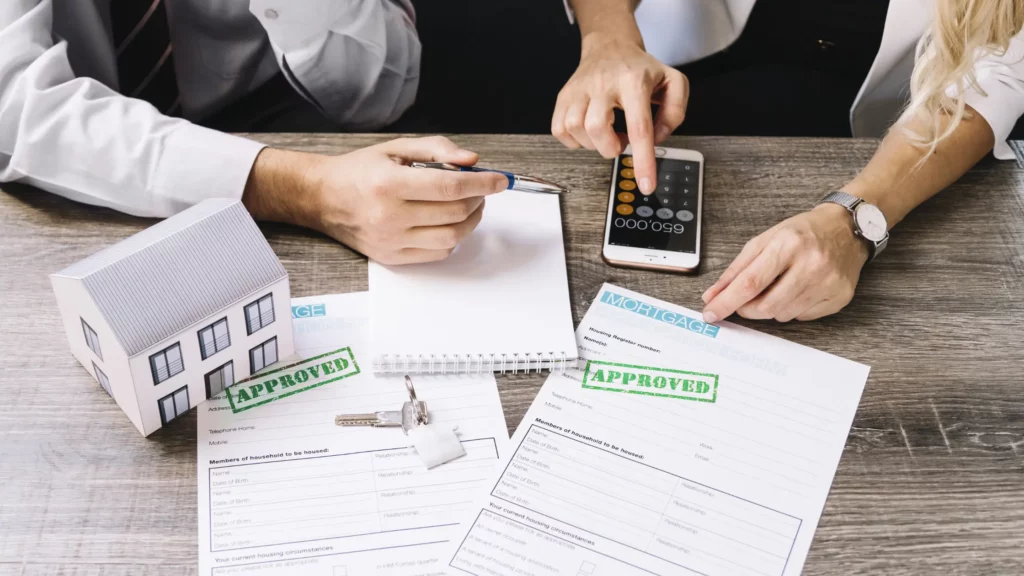
real estate agent with couple

The homebuying process can seem complex and overwhelming, especially for first-time buyers. By asking your real estate agent to explain the process, you can gain a better understanding of the steps involved and what to expect as you navigate the journey toward homeownership. Here’s a brief overview of the main stages in the homebuying process:

1. Preparing for Homeownership: Before beginning your search for a new home, it’s crucial to assess your financial situation, determine your budget, and establish your priorities in terms of location, property type, and desired features. This stage may also involve improving your credit score, saving for a down payment, and researching various mortgage options.

2. Mortgage Pre-approval: Obtaining a mortgage pre-approval from a reputable lender is an essential step in the homebuying process. A pre-approval letter indicates that you have been preliminarily approved for a mortgage loan up to a certain amount based on your credit, income, and assets. This not only helps you establish a realistic budget but also demonstrates to sellers that you are a serious and qualified buyer.

3. Finding a Real Estate Agent: Working with a knowledgeable and experienced real estate agent can provide invaluable guidance and support throughout the homebuying process. Your agent can help you refine your search criteria, provide insights into local market conditions, and arrange showings of potential properties.

4. Searching for a Home: With the help of your agent, you’ll begin the process of searching for your ideal home. This may involve attending open houses, scheduling private showings, and regularly reviewing new listings on the market. It’s important to be patient and persistent during this stage, as finding the perfect property may take time.

5. Making an Offer: Once you’ve found a property that meets your needs and preferences, your agent will help you prepare and submit an offer to the seller. This will include determining an appropriate offer price, outlining any contingencies (such as financing or inspections), and specifying your desired closing date.

6. Negotiations and Contract: If the seller counters your initial offer, you may enter into a negotiation process to reach mutually agreeable terms. Once an agreement has been reached, a formal contract will be drawn up and signed by both parties. This contract will outline the specific terms and conditions of the transaction, including any contingencies that must be met before closing.

7. Inspections and Appraisals: During this stage, you’ll typically arrange for a professional home inspection to identify any potential issues or repairs needed. You may also be required to obtain an appraisal to verify the property’s value for mortgage purposes. If any problems arise during these assessments, you may need to renegotiate the contract or request repairs from the seller.

8. Finalizing Your Mortgage: With the contract in place and inspections completed, you’ll work with your lender to finalize your mortgage application and lock in your interest rate. This will involve providing any additional documentation required and awaiting final approval from the underwriter.

9. Closing: The final stage in the homebuying process is the closing, where you’ll sign all necessary paperwork, pay your down payment and closing costs, and receive the keys to your new home. At this point in home sale, the property is officially transferred from the seller to you, and you become a homeowner.

Questions to Ask Listing Agents

How Will You Market My Home?

marketing

When selling your home, it’s crucial to work with a real estate agent who has a comprehensive and effective marketing strategy to ensure maximum exposure and attract potential buyers.

In today’s digital age, having a strong online presence is critical for reaching a wide audience. Your agent should create an engaging and informative listing for your property, complete with high-quality photos, a detailed description, and essential information such as the price, size, and features. This listing should then be syndicated across various online platforms, including popular real estate websites, MLS systems, social media channels, and the agent’s own website.

A proactive agent will leverage targeted advertising and social media campaigns to increase your property’s visibility among potential buyers. This may include running sponsored ads on platforms like Facebook, Instagram, or Google, as well as promoting your listing through organic posts and shares on their social media accounts. These marketing efforts can help reach a larger audience and generate more interest in your property.

A well-connected agent will tap into their professional network to increase the visibility of your property among other real estate agents and potential buyers. This may include distributing flyers or brochures to their contacts, attending local networking events, and reaching out to other agents who may have clients interested in a property like yours.

How Did You Arrive at This Listing Price?

real estate agents making calculations

When working with a real estate agent to sell your home, it’s crucial to understand how they arrived at the suggested listing price. This information can help you assess their market knowledge and pricing strategy.

One of the primary tools used by real estate agents to determine a listing price is a Comparative Market Analysis (CMA). A CMA involves researching recently sold properties in your area that are similar to your home in terms of size, features, and location. By comparing the sale prices of these comparable properties, your agent can establish a baseline value for your home, taking into account the current market conditions and trends.

Another essential factor in determining a listing price is the current state of the local real estate market. Your agent should have a strong understanding of market trends, such as buyer demand, housing inventory levels, and interest rates, which can all influence the optimal pricing strategy for your home. For example, in a seller’s market with limited inventory and high demand, you may be able to list your property at a higher price than in a buyer’s market with an abundance of available homes.

Do You Recommend Any Changes to the House Before a Showing?

renovations

When preparing your home for showings, it’s important to work with a real estate agent who can provide valuable guidance on making home improvements that can enhance your property’s appeal to potential buyers.

One of the most effective ways to prepare your home for showings is by decluttering and depersonalizing the space. This involves removing excess belongings, organizing storage areas, and minimizing personal items such as family photos or memorabilia. Your agent may recommend focusing on key areas such as the kitchen, bathrooms, and living spaces to create a clean, organized, and inviting environment for potential buyers.

Addressing any minor repairs or upgrades before showings can have a significant impact on your home’s appeal. Your agent may recommend fixing any visible maintenance issues, such as leaky faucets, broken fixtures, or damaged flooring, as well as making small upgrades like replacing outdated hardware or lighting. These improvements can demonstrate to potential buyers that the property has been well-maintained and cared for over time.

First impressions are crucial when it comes to showing your home, and your agent may suggest making changes to enhance your property’s curb appeal. This can include tasks such as cleaning or painting your front door, trimming overgrown bushes or trees, power washing exterior surfaces, and adding fresh mulch or flowers to your landscaping. These changes can create a welcoming and attractive exterior that entices potential buyers to explore further.

In some cases, your agent may recommend hiring a professional home stager to arrange your furniture and decor in a way that optimizes the flow and visual appeal of your space. This, combined with high-quality professional photography, can showcase your home in the best possible light and make a strong impression on potential buyers browsing online listings.

What is the Average Number of Days it Took You to Sell a Home Last Year? 

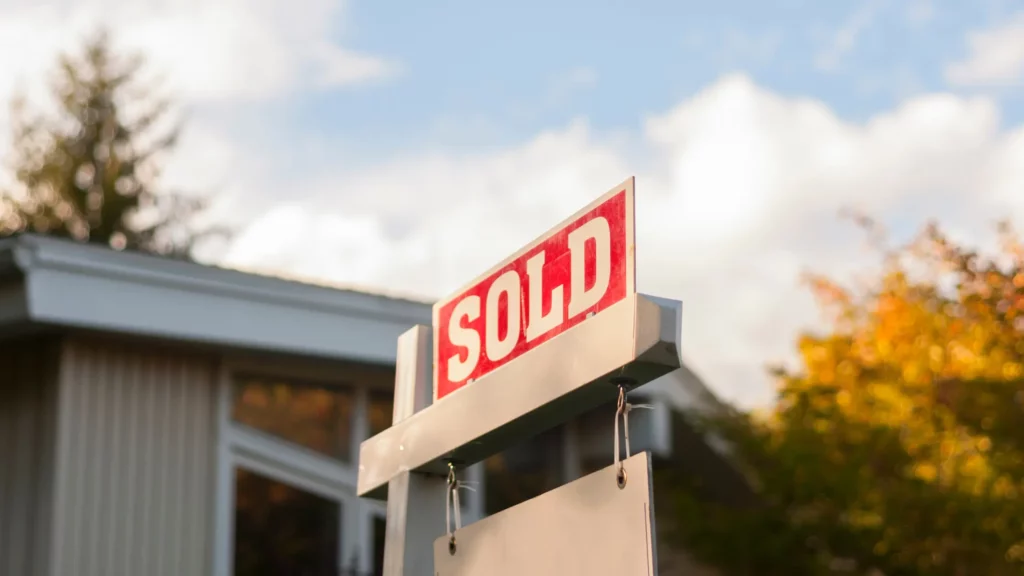
sold sign on house

Asking a real estate agent about the average number of days it took them to sell a home in the past year is an important question for both sellers to consider. This question provides insight into the agent’s experience, knowledge of the local market, and their effectiveness in pricing and marketing properties. Understanding the significance of this question can help you make an informed decision when choosing a real estate agent to guide you through the home buying or selling process.


Having the right information when selecting a real estate agent is paramount. A quality agent can make the process of buying or selling a home much smoother and less stressful than handling it yourself. Make sure to also ask a realtor all the questions highlighted in this article so that you can ensure you are making the best decision. Do not be afraid to ask questions and take your time. At the end of the day, it’s important to select an agent who you feel comfortable working with and trust that they’ll advise you accordingly.

If you are ready to buy or sell a house in the Nashville area, reach out to us today!

Most Common Problems Found During a Home Inspection

Buying or selling a home can be an exciting and memorable experience, but it also requires a lot of work to ensure that everything goes smoothly. One significant piece of the puzzle is having your home inspected by a professional. During a home inspection, they can uncover any potential problems that may need to be addressed in order for you to move forward with the sale or purchase of your new home.

In this blog post, we’ll discuss some of the most common issues found during a home inspection making sure both buyers and sellers are aware and prepared for all steps along their real estate journey.

Roofing Problems

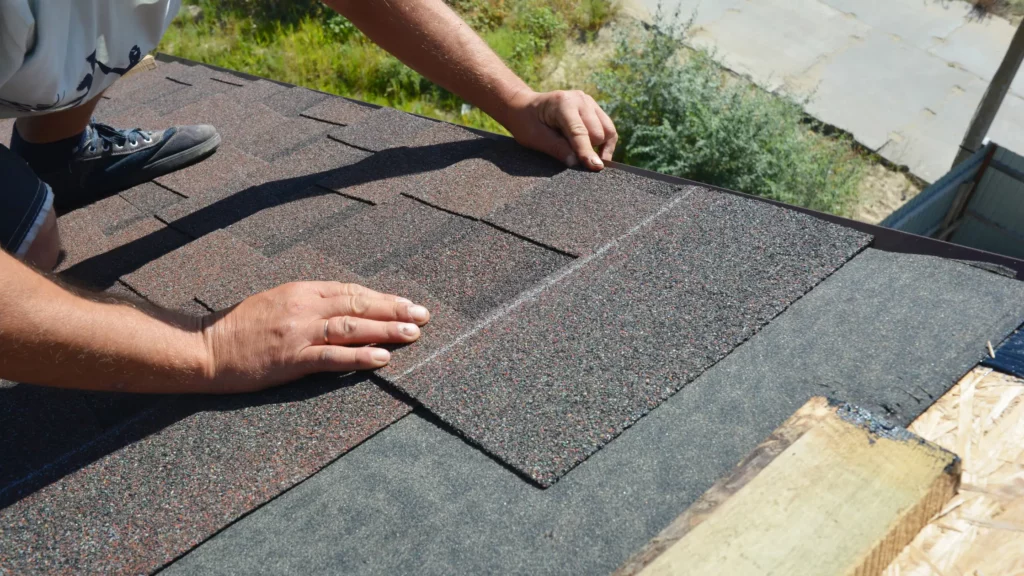
man placing tile on roof

When it comes to home inspections, finding roofing issues is a very typical occurrence. For homes that are ten or more years old, they can be especially susceptible to roof damage.

Traditional asphalt shingles typically have a lifespan of 15 to 40 years, with geographical locations greatly influencing the longevity of the roof. Environmental factors such as extreme heat, snowstorms, and tropical storms can cause additional wear and tear and lead to the need for repairs.

More often than not, roofing issues that are uncovered during a home inspection are simple fixes, such as replacing missing shingles. However, it’s crucial to address structural damage or soft spots caused by unrepaired damage, as these issues can become increasingly expensive to fix over time.

Electrical Issues

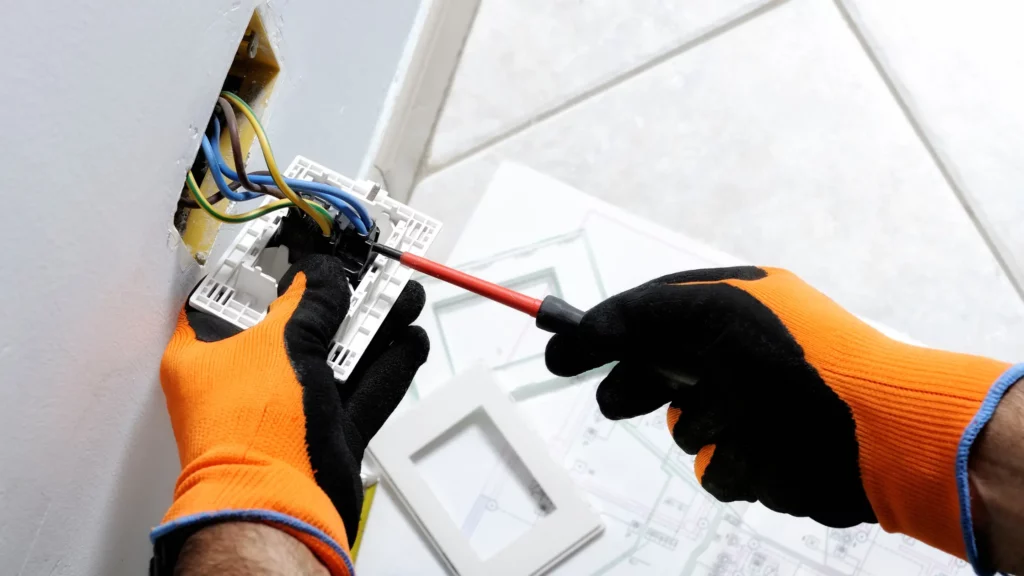
electrician in an outlet

When it comes to electrical issues in the home, safety should always be a top priority. Faulty wiring, loose outlets, and flickering lights may seem like minor inconveniences, but they can actually be incredibly hazardous. This is especially true for older homes that may have outdated or out-of-code wiring.

If you’re concerned about electrical issues in your home, it may be wise to consult with a licensed electrician. They can help identify any potential hazards and provide guidance on how to address them.

One common issue that often pops up during home inspections is a lack of GCFI outlets in areas with water, such as bathrooms and kitchens. These outlets are designed to turn off when wet, which makes them an important safety precaution against electrocution.

Other common issues can revolve around problems at the service panel or box, which can be dangerous if left unchecked. Ultimately, if you’re ever unsure about an electrical issue, it’s always better to err on the side of caution and seek professional help.

Drainage Problems

drain pipe on house

Many homeowners tend to overlook the importance of proper drainage, as it is not something that is noticed until a home inspector comes around. However, poor drainage can cause serious issues that may be detrimental to the well-being of a home and its occupants.

The accumulation of water around the base of a home may lead to mold buildup, which can cause respiratory issues. Additionally, the foundation may be compromised, putting the whole structure at risk of collapse.

Home inspectors have reported numerous cases where the grade and drainage around a property is causing water to pool, potentially seeping into the basement or causing the foundation to erode. Therefore, it is essential to ensure proper drainage for your home to prevent these costly and hazardous damages from occurring.

Plumbing Issues

man working on plumbing

When it comes to plumbing issues, there’s no doubt that problems can range in severity. From something as simple as a leaking faucet to the whole house plumbing system requiring repair or replacement, addressing these issues is critical. Furthermore, any leaking water, if left unchecked, can cause additional problems such as damage to flooring, subfloor rot, and, unfortunately, the growth of mold.

During a home inspection, another issue that’s checked for is Polybutylene pipes. These pipes were commonly used in construction in the ’80s and ’90s, but they were banned in 1995 due to their high leaking risk. Although most of these pipes have since been replaced or retrofitted, it’s essential to make sure that the plumbing within a house is safe. If a home inspection identifies considerable plumbing problems, it’s time to seek the opinion of a professional.

Foundation Issues

foundation

Foundation issues are a common area of concern for homeowners and buyers alike. Your home’s foundation is an essential part of its structure and, therefore, must be in good condition to ensure safety and longevity. Unfortunately, foundation problems can be quite costly to fix and can cause a great deal of stress.

One of the most significant indicators of a foundation problem is the presence of cracks in the walls, both inside and outside the house. Additionally, other minor indications of trouble include cracked tiles, bowed walls, separation of siding, or uneven flooring. Any of these signs should signal the need for a professional home inspection to determine if there is a foundation issue that needs to be addressed.

Termite Damage And Other Pests

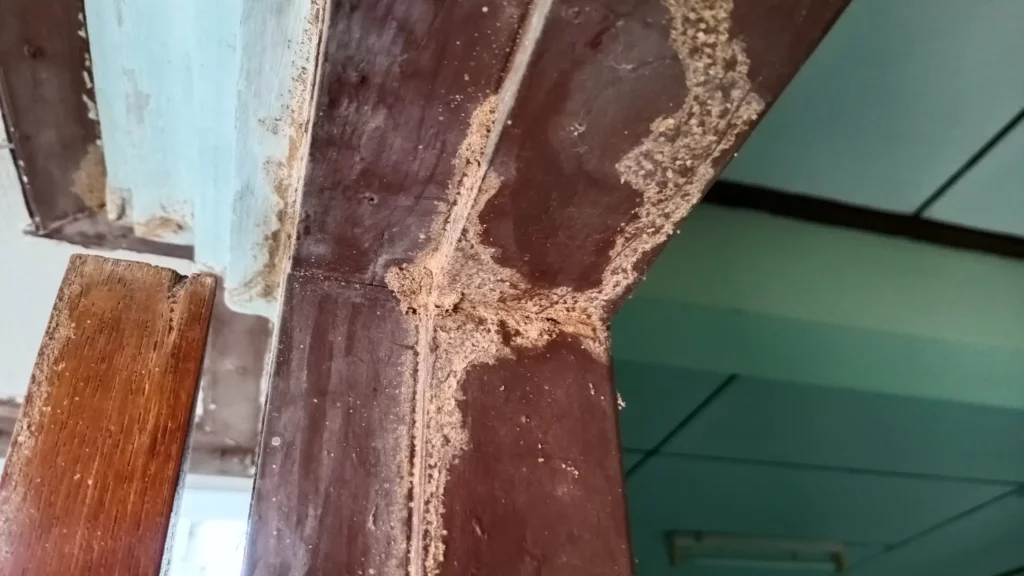
termite damage

A pest inspection is an important factor that is commonly included in a real estate contract, as most buyers are concerned about finding bugs in their potential new home. No one wants to imagine their dream house being invaded by pesky pests, but ignoring the problem is never a wise option. These little critters can cause major and expensive damage, and the situation will only worsen over time.

From ants to mice, any pest issue needs a professional’s expertise to eradicate the problem and repair the damage before the sale. While ants and mice aren’t usually as severe as termites, which can destroy the structural integrity of the home, any infestation should be taken seriously and dealt with promptly to avoid any future complications.

Structural Issues

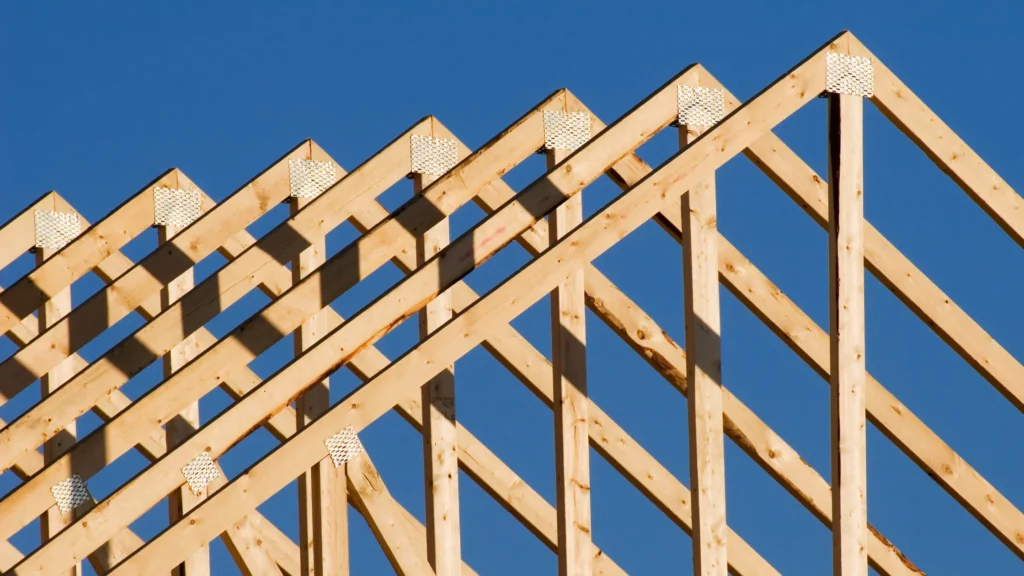
structure of a house

When it comes to older homes, structural issues are commonplace. From sagging floor joists and rafters to door headers, these issues can vary in severity and are not always easily detected. In many cases, home inspectors will advise potential buyers to have the home evaluated by a structural engineer to determine if any major repairs are necessary.

Unfortunately, structural repairs can be some of the most expensive, and they may turn buyers away. Therefore, if you notice any signs of major structural problems or flaws in your home, it’s important to call a structural engineer to assess the extent of the problem and the potential repair costs. After all, a building’s foundation is critical for its stability and longevity, and it determines numerous issues the structure might face in the future.

HVAC System

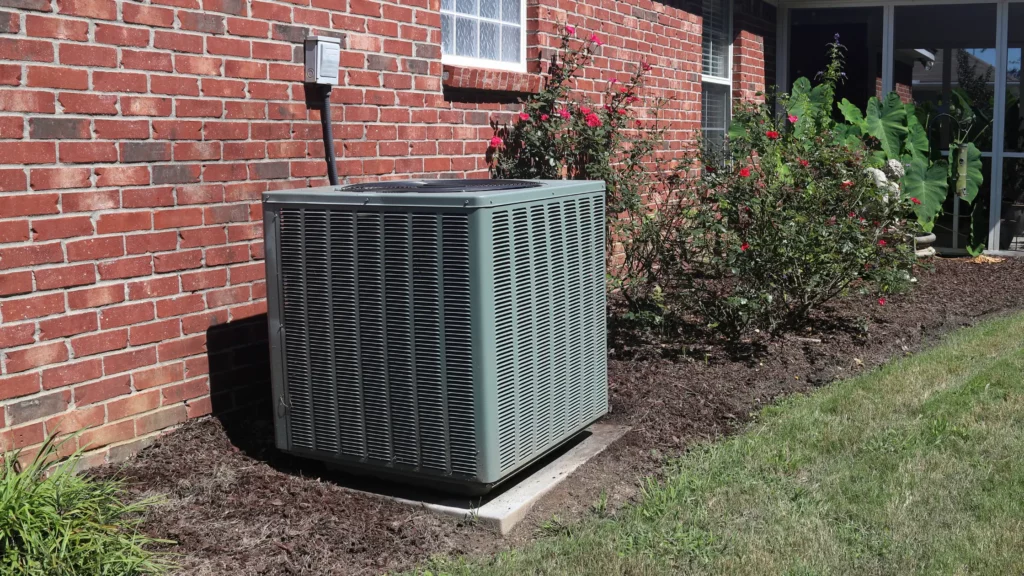
HVAC

Did you know that your HVAC system uses almost half of the energy in your home? That’s a lot of work to keep your home climate-controlled. As a result, your HVAC system may require maintenance more frequently than other household appliances. Unfortunately, many homeowners neglect to service their HVAC systems annually. This neglect can result in issues during a home inspection – issues that may have been preventable if the unit had been maintained properly.

While the average home inspector may not thoroughly inspect your HVAC system, it’s crucial to have it checked if it’s over ten years old. Hiring an HVAC specialist for a complete system check will help determine its remaining lifespan and any potential future repair costs. Don’t let neglect cost you in the long run.

Water Damage

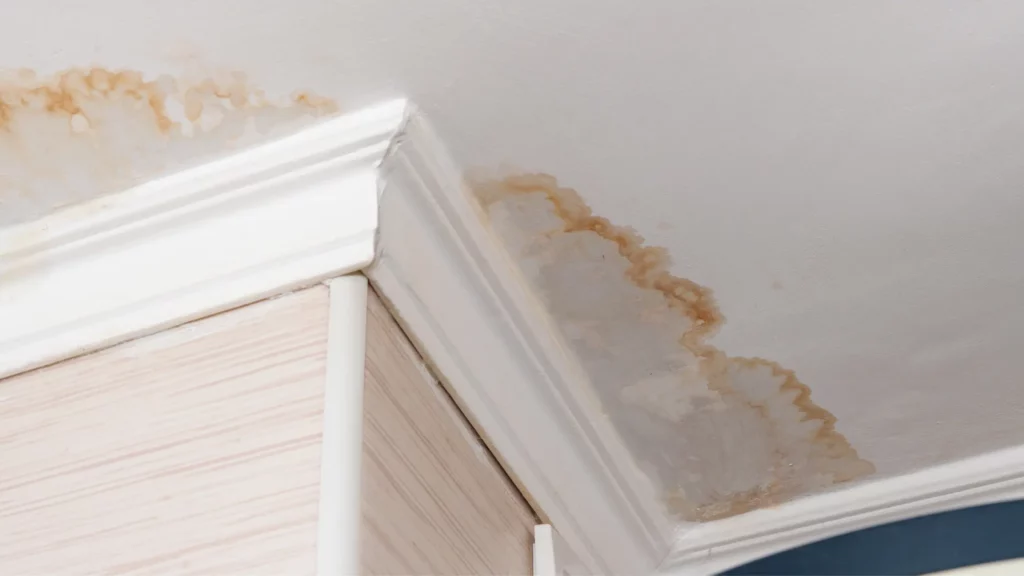
water damage

Water damage can be a homeowner’s worst nightmare. Not only does it affect the home’s appearance, but if left unchecked, it can also lead to mold growth, which poses serious health risks. A home inspector knows this all too well and is trained to flag any evidence of water damage.

This type of damage can originate from several sources, such as roofing problems, plumbing leaks, poor drainage, and even a flooded basement. And the cost of repair, even minor repairs, can be quite heavy on the wallet. However, homeowners should take solace in the fact that water penetration issues are often quite straightforward. By locating the source of the damage, it is possible to stop it from spreading and take steps to fix the problem.

Mold

mold

Mold can be a sneaky intruder in your home. You may think that you would easily spot it, but that’s not always the case. Contrary to popular belief, mold will not always be visible to the naked eye. However, you can usually smell mildew in the air when it is present.

It’s important to identify whether mold is present in your home because it can lead to serious health problems and issues like trouble breathing, itchy eyes, sore throat, and coughing. Furthermore, mold can also indicate a leak inside or outside your home, which you will want to find before it becomes a more significant issue. In sum, it’s essential to be aware of mold growth in your home and take prompt action when necessary to ensure a healthy and safe living environment.

Asbestos

Asbestos

Asbestos, once deemed an ideal building material, has been found to be extremely dangerous to human health. The dust from asbestos can implant itself in your lungs, causing cancer, and it was only after this realization that we had to stop using it.

If you live in an older home, there is a chance that it could contain asbestos. However, some companies can safely remove the material if necessary.

Asbestos is only harmful when it is disturbed and produces dust that you could breathe in, so it would be best not to attempt to remove it yourself. As long as the asbestos is in good condition and not damaged in any way, it should not cause any issues. It is important to remember that understanding the dangers of asbestos is vital to protecting ourselves and our loved ones.

Radon

radon detector

Radon is a naturally occurring radioactive gas that can be a health hazard if it accumulates in your home. It typically seeps into homes through cracks and holes in the foundation and can cause lung cancer if inhaled regularly.

The good news is that most homes have low levels of radon that pose little to no risk, but it’s always important to test your home’s radon level to be sure. If the levels do come out high (four picocuries or higher), you may request that the seller install a radon reduction system. The cost of doing so depends on the size and layout of your home, but it’s worth investing in to ensure your family’s health and safety.

Lead Paint

lead paint

The use of lead paint in homes was outlawed in the late 1970s due to the severe health issues that it can create. If ingested, lead paint can cause devastating health issues and, in some cases, even death. This is why it’s important for both buyers and sellers to be aware of the presence of lead paint in a home.

All homes built before 1978 require a signed form regarding the presence of lead paint in a real estate transaction. If a child of six years or younger is living in a home with lead paint, it must be removed or encapsulated. As a potential home inspection issue, full disclosure is necessary, and buyers have the right to check for its presence before closing on a home.


In conclusion, the most common home inspection issues to be aware of can vary greatly from one property to the next. It’s important to keep your eyes open and objective for any signs of potential problems during a home inspection. Many of these potential issues are (if they’re known) disclosed to prospective buyers in advance by sellers or agents; however, a conscientious buyer should take all necessary steps prior to closing on a property.

Home inspections provide peace of mind that you can truly know what lies beneath the surface before committing to a purchase. If you need advice when buying or selling a home, it’s best to contact professionals who understand the process and can help in evaluating any issues related to the final sale negotiations. Furthermore, they will be able to help you find a certified home inspection service that evaluates systems and uncover any structural damage or underlying issues that may not be visible until further investigation needs to be done.

6 Signs You’re Ready to Buy Your First House

Are you tired of renting and ready to make a long-term commitment to purchasing your own home? Congratulations – this is an exciting life step! Before jumping into the process, it’s important to know whether or not you are truly showing signs that you’re ready to buy your first house. Here are six signs that you may be on track toward realizing your dream of homeownership.

You Have a Good Credit Score

credit score

Your credit score serves as a gauge of your financial stability and responsibility, and can significantly impact your ability to become a homeowner. With credit scores ranging from 350 to 850, higher credit score numbers represent better creditworthiness. To calculate your credit score, lenders use various factors such as payment history, outstanding debt, and the length of your credit history.

A good credit score opens up a world of financial possibilities, particularly when it comes to purchasing a home. Those with high credit scores generally secure better terms for their home loans, potentially saving thousands of dollars over the life of the mortgage. So, it’s safe to say that your credit score plays a vital role in your path to homeownership.

When it comes to buying a house, having a good credit score is key. If you have poor or fair credit, it’s important to evaluate your credit score in order to determine if you need to work on improving it before pursuing a mortgage. It’s worth taking the time to look closely at your credit report to find any items that might be negatively impacting your score, such as too many hard credit inquiries, late payments, or using too much of your credit card debt against your available credit.

Fortunately, even if your credit score is low, there are still home lending products available that may have lower credit score requirements than traditional mortgages. Look into options like FHA loans and VA loans, which could be your ticket into owning your own home, even if your credit score isn’t perfect.

You’ve Saved Enough for a Down Payment

down payment

Buying a home is an exciting event, but the prospect of a down payment can be daunting for first-time buyers. Unlike seasoned homeowners, first-time buyers don’t have the luxury of using the proceeds from a previous home sale to fund their down payment. As one of the most significant hurdles to homeownership, down payments can quickly add up to tens of thousands of dollars.

Depending on the loan type, down payment requirements can fluctuate significantly. While FHA loans require just 3.5 percent down, conventional loans usually require 20 percent down to avoid paying private mortgage insurance. Luckily, there are some loans that offer little to no down payment options, like those offered by the U.S. Department of Veterans Affairs and the U.S. Department of Agriculture. With a little bit of research and patience, first-time buyers can overcome this hurdle and take the first step toward homeownership.

As if a sizable down payment wasn’t enough, there are also other mandatory expenses that come with it, such as closing costs, appraisals, inspections, taxes, homeowner’s insurance, and more. While these fees can be daunting, it’s important to have a separate emergency fund, just in case. So, if you’re considering buying a home, make sure you have enough saved for a down payment and closing costs, and don’t forget to keep those pennies for the unexpected expenses that may come with homeownership.

You Have an Emergency Fund

emergency fund

Having an emergency fund can be a real lifesaver when it comes to unexpected expenses, such as job loss or home repairs. Financial experts suggest having enough money saved to cover three to six months of living expenses. Homeowners, in particular, may want to consider saving even more.

Homes inevitably require maintenance and repairs, which can add up quickly. Not having the funds to take care of these necessary expenses can cause financial strain and aggravation. Therefore, homeowners would be wise to budget for potential repairs by setting aside monthly payments of between 1% to 4% of their home’s value or more for older homes. Building up a fund for these potentially costly repairs can save homeowners from financial stress down the road.

You Have a Secure Job

job

When it comes to buying a home, having a steady stream of income is crucial. Mortgage lenders take a keen interest in your employment history and income levels to ensure that you can make your monthly mortgage payments.

If you’re struggling to keep up with your current income and expenses, it’s probably not the right time to think about buying a home yet. Even if you are earning enough, frequent job changes can be a red flag for lenders.

Before you apply for a mortgage, take a good look at your employment history and financial standing. It’s better to wait and save up than to buy a home that you can’t afford. If you’re unsure about your eligibility for home loan, you can always use a mortgage calculator to get an idea of what you can afford.

You Want to Stay in the Same Area Long-Term

neighborhood

Just like stock investments, home ownership also requires a long-term view. Often, it takes at least five years to break even on a housing purchase. During the initial few years, most of your mortgage payments go towards interest, and not the principal. Therefore, if you plan on selling your house shortly after purchasing it, you may not reap the financial benefits of home ownership. In fact, it is recommended that you stay put for ten years, or longer if possible. The longer you hold onto your house, the more money you save.

Besides, selling the property through a realtor can result in significant fees, usually around 6% of the selling price. Over a short period, it can really add up, making it more crutial to hold onto the house for ten or twenty years. Additionally, moving costs alone can be astronomical, further underscoring the importance of putting down roots and settling in for the long haul.

Your Debt is Manageable

debt

When it comes to getting a mortgage, one of the most important factors for lenders is your debt-to-income ratio or DTI. This calculation takes into account all of your monthly debts, such as car payments, student loans, and credit card bills, and divides that number by your gross monthly income.

The higher your DTI, the riskier you appear to lenders. Although some conventional loans allow a DTI ratio of up to 50 percent, most lenders prefer no more than 43 percent. If you can lower your DTI, you’ll be in a stronger position to secure a mortgage and have more financial flexibility for unexpected expenses. So, it’s worth taking steps to pay down debts and improve your DTI before applying for a mortgage.


After considering these six signs, you should have a good idea of whether you’re ready to purchase your first house. Taking the time to review and assess each sign can help make sure you’re making the right move for your financial goals and lifestyle.

To further ensure that all goes smoothly, it’s always a good idea to consult with a professional real estate agent. They will be able to provide expert advice when it comes to mortgages, loan origination fees, closing costs, and so much more.

If you’ve determined that you are ready to buy a house and want to buy in the Nashville area, reach out to us today so we can help get you on the path toward owning one of your very own!

Understanding Real Estate Escrow

Are you thinking of entering the real estate market? Whether you are a first-time homebuyer or an experienced investor, there’s one important piece to any real estate transaction that shouldn’t be overlooked: escrow. But what is it? How does it work? What role do all the relevant parties play in the process? In this blog post, we are going to give you everything you need to know about understanding the basics of escrow so that your real estate purchase can go as smoothly as possible!

What is Real Estate Escrow?

Real estate escrow is an essential stage in the process of purchasing a residential property. It starts once a home buyer and seller have agreed in writing to the terms of a transaction, such as a purchase price, financing details, and closing date. Escrow ensures that all legal documents related to the sale are handled properly, and all corresponding funds are secured until they are ready to be exchanged among parties.

During the real estate escrow process, a third, impartial party holds any deposits, down payments, or other funds paid by the buyer on behalf of the seller until all terms of the contract have been fulfilled. In essence, escrow acts to protect both parties in real estate transactions from fraud or miscommunication during a typically complex series of transfers and settlements.

Who Manages an Escrow Account?

An escrow account is a type of trust account managed by a neutral third party, such as an attorney or title company. This third party holds onto the money involved in a real estate transaction until all requirements have been fulfilled and all parties have agreed that the process has been successfully finalized.

As the escrow manager, this individual’s primary goal is to make sure that any requirements set out in the deed are properly discharged, such as ensuring any lien payments are made on time. In addition to overseeing the release of funds for closing costs and other associated expenses, the escrow manager typically provides documentation related to relevant documents, such as insurance policies and payment records. Ultimately, the escrow manager works to ensure that no money is exchanged prematurely and both sides of an agreement are fully satisfied with successful completion of the transaction.

What Escrow Accounts Don’t Cover

An escrow account doesn’t cover every possible issue that could come up in the course of a transaction. Escrow accounts only handle payment of the purchase, meaning they are not responsible for any legal matters surrounding the exchange. Anything else, such as contractual agreements, resolving disputes between buyer and seller, or other related details, must be handled outside of an escrow agreement. Furthermore, escrow accounts also cannot guarantee the successful delivery of goods or services as stipulated in the contract; they only provide liability protection through the documentation on behalf of both parties involved.

Escrow vs. Earnest Money

The terms ‘escrow’ and ‘earnest money’ are often used interchangeably, but in reality, there is a distinct difference between them. Escrow refers to an arrangement made between two parties that involves a third party holding, managing, or disbursing funds or documents for the other parties on their behalf.

On the other hand, earnest money is an amount of money deposited by the buyer into a neutral account as part of the purchase agreement. This amount represents good faith and is generally non-refundable.

The homebuyer will typically put down 1-3% of the total purchase price as earnest money, while escrow usually involves items such as contracts and titles along with deposits of down payments or tax payments that may be required by law. Both acts can serve to protect both buyers and sellers during a real estate transaction.

What Does It Mean to Fall Out of Escrow?

Falling out of escrow occurs when a purchase agreement between a buyer and seller falls through. This can happen for various reasons, such as if the buyer is unable to obtain financing or if any inspections or appraisals reveal issues that are too costly for the buyer to repair.

The parties may choose to work together to resolve these issues, but if they cannot come to an agreement by the predetermined date in the contract, then they will fall out of escrow. Falling out of escrow can be frustrating and disheartening for both parties involved.

Do You Need an Escrow Account?

Many home buyers and sellers use escrow accounts since it provides a fixed timeline where transactions can be verified, and funds can be exchanged safely without worries of fraud or nonpayment. Depending on your needs, an escrow account may also offer benefits such as better control of finances or protection from scams. Ultimately, it all comes down to whether the advantages of having an escrow account outweigh any disadvantages for you.


Understanding real estate escrow is an important part of the process for anyone planning to purchase a property. With a good understanding of all aspects of the escrow system, buyers and sellers alike can work together with confidence, knowing that their interests are both being represented.

If you’re looking to get your own piece of real estate in the Nashville area, our experienced real estate team is here to assist you every step of the way. So what are you waiting for? Contact us today, and let us show you how easy it can be to buy your dream home!

Tax Deductions When Selling Your Home

Are you thinking of selling your home? Did you know that there may be some deductions available to help offset the costs of your property sale? Understanding how and when taxes apply can make a big difference in helping you save money!

In this blog post, we will provide helpful information about the tax deductions available to those who are selling their homes. We’ll discuss what kind of deductions are applicable, which expenses qualify, and other tips for making sure that the process runs as smoothly as possible.

Keep reading to learn more about tax deductions when it comes to selling your home.

Home Selling Costs

home selling costs

Selling your home may seem like a daunting process, but making sure you keep track of every expense associated with it can be beneficial.

When filing taxes, the IRS will accept deductions for most expenses related to selling, such as listing agent fees, attorney or legal fees, title insurance costs, and advertising charges too; plus, don’t forget about escrow costs at closing time.

Staging services to get your house ready for showings should also qualify- so does any needed inspection work. Each deduction helps reduce what must ultimately come out of pocket from final sale prices – leaving more money in your bank account after all’s said and done.

You must have lived in the house for at least two years out of the last five years. The house must be your primary residence, not a place where you only live sometimes or an investment property. You cannot deduct these costs in the same way as other expenses, like mortgage interest. Instead, you subtract them from the sales price of your home. This will help reduce the amount of taxes you have to pay on your profits from selling the home.

Home Improvements and Repairs

home repairs

If you made repairs to your house before selling it, you might be able to get money back from the government, but there are some rules. Anything you want to deduct must have been done 90 days before you sold your house. The IRS thinks that three months is enough time to do any repairs related to selling a house. If there are repairs that usually take longer, like replacing a roof, this might be difficult. Talk to the person who is doing the repairs and make sure they are done within the right time frame so you can get the most money back from your taxes.

The IRS is careful about what it decides is a repair and what it decides is an improvement. Some repairs might be things like fixing a roof, removing mold, dealing with wiring problems, replacing rotten decking, or replacing broken smoke detectors. In contrast, improvements might be things like painting the house, upgrading the deck, updating the windows, renovating a bathroom, adding new windows, or adding energy-efficient appliances.

Home improvement deductions can happen even if you do not sell your home. You can take these deductions over time within the year that the improvement happened. Sometimes there is a limit to how much you can deduct. The repairs that you did to your home in order to sell it are the ones that you need to track within the 90-day window.

Property Taxes

property taxes

In the past, you had no limitation when deducting your property taxes on income taxes. But with 2018 legislation, it’s not quite so simple – as a homeowner, there is now an upper limit of $10,000 that can be used to calculate deductions. Any additional amount over this will have to bear itself at tax time and won’t apply against your return. To make sure your tax return accurately reflects what’s required by law for deductions, do double-check all amounts entered and ensure they are within the time frame specified.

Mortgage Interest Tax Deduction

mortgage interest

You can deduct the interest on your mortgage from your taxes. This is for the part of the year that you owned your home. But remember, under the 2018 tax code, you can only deduct the interest on up to $750,000 of mortgage debt. If you got your mortgage before December 15, 2017, you can continue deducting up to $1 million.

Itemized deductions are deductions that you list separately. This means that you need to have more deductions than the new standard deduction for it to work in your favor. The Tax Cuts and Jobs Act nearly doubled the standard deduction when it went into effect.

Capital Gains Tax Exclusion

capital gains

The first step to avoiding capital gains tax when selling your home is understanding the threshold set by the Internal Revenue Service. As an individual, you can make up to $250,000 and still not owe anything in taxes, while married couples filing jointly are allowed to profit up to $500,000. Reaching these amounts usually isn’t too difficult and can provide immense relief when it comes time to distribute any profit you’ve made from your home sale. However, if those amounts are exceeded above and beyond these limits, it’s important that sellers understand their responsibilities so they know exactly what their tax burden will be. With that knowledge in place and proper planning, home sellers can keep as much of their cash as possible.

While the dollar amount of your exclusion must be taken into account, there are two other important rules to follow that will determine whether you qualify. The first is that the home needs to be used as your primary place of residence. If it’s a holiday home, it won’t meet this requirement. Furthermore, for it to be accepted as your main residence, you’ll need to have lived there for at least two out of the previous five years. Luckily, within those five years, these two periods don’t have to be consecutive. The second rule states that you cannot have already used the exclusion in the last two years.

For married couples, filing taxes jointly is a must – not only to benefit from the exclusion but also to ensure you don’t have an unexpected capital gain tax bill come due with the IRS.

You Can Deduct Discount Points From Your Mortgage

discount points

If you own a home, one of the best pieces of tax news you might not have heard of is the deduction of discount points. Although it’s an often-forgotten deduction, it can amount to substantial savings on your taxes if you’ve only been staying in your home for a short time before selling. Such deductions may also be available if you’ve been refinancing your loan and used cash to buy down your interest rate. This type of authorized deduction can be pro-rated and taken allowance from year to year until the loan is paid off. Upon sale of the property, all un-deducted points may then be taken all at once – for example, $2,700 if you refinance three years prior and paid $3,000 in points.

Deducting Moving Expenses for Active Duty Military Personnel

moving

Homeowners who are members of the military now have exclusive access to deductions on their moving expenses. Previously, anyone could deduct these costs if they had relocated for work – but as a result of changes in legislation, this is no longer possible. For those actively serving our nation, though, it’s still an important way to save money when relocating homes.


Selling a home can be expensive, but there are some tax deductions that can help offset the costs. Home selling costs, home improvements and repairs, property taxes, mortgage interest tax deductions, and capital gains tax exclusion are all deductions you can take when selling your home. Be sure to talk to your accountant or qualified tax professional to see what other deductions may be available to you.

If you are buying a home in the Nashville area, reach out to our real estate team. We would be happy to help you find the perfect home and take advantage of any tax breaks you may qualify for.

9 Steps Once Your Real Estate Offer is Accepted and Under Contract

If you are in the process of buying a home, congratulations! You have made it one step closer to achieving your dream of owning a property. But now that your real estate offer is accepted and under contract, what should you do next? Here are nine steps to make sure your transition into homeownership goes smoothly so that all parties involved can be successful with their goals. Read on as we discuss how to navigate through the home-buying process once the exciting news comes that your offer has been accepted!

1. Make Your Earnest Money Deposit

earnest money

An earnest money deposit (EMD) is a deposit that buyers put down to show the seller that they are serious about buying the property. It also serves as insurance for both parties in case either party fails to meet their obligations under the contract.

The amount of the deposit depends on your situation but typically ranges between 1-3% of the purchase price. It is important to note that if you back out of the purchase agreement for any reason, you may lose your EMD. This could happen if you are unable to get financing or if a home inspection reveals more damage than expected.

In addition, many states require buyers to pay an additional fee known as a good faith deposit (GFP) or good faith money (GFM). GFPs and GFM are separate from EMDs and generally range from $500-$1,000, depending on where you live.

These deposits act as insurance for both parties in case anything goes wrong during the closing process or one side fails to complete their obligations under the contract. In most cases, these deposits are returned when all conditions have been met and closing has taken place successfully.

Ideally, you should make your EMD once your offer has been accepted by the seller and before signing any official paperwork or contracts. Once signed, your earnest money will be held in escrow until the closing takes place or until other specific conditions set forth in your contract have been met (like passing inspection). If everything goes according to plan, then your EMD will be applied towards your down payment at closing; however, if something goes wrong, then it may not be applied towards your down payment—or worse—you may lose it altogether.

2. Property Inspection

property inspection

A property inspection will give you an accurate picture of the condition of the home and its components so that you can make an informed decision about your purchase.

What Does A Property Inspection Entail?

A property inspection is typically done by an experienced inspector who inspects every part of the house, including its interior and exterior, systems, and appliances. This includes evaluating electrical wiring, plumbing, insulation, roofing materials, ventilation systems, windows and doors, HVAC systems, basement/crawlspace foundations, and more. The inspector will also check pest infestations as well as water damage or signs of mold.

The inspector will then compile all his findings into a report that outlines any issues with the house. This report is invaluable as it will give you clear insight into what repairs need to be done before closing on the house or which ones can wait until after you move in (if any). It can also help you negotiate with the seller if there are any major issues that need to be addressed before closing on the house.

Importance Of Property Inspections

Having a property inspection is essential for potential homeowners because it gives them an accurate picture of what they are buying. Without it, they may not discover critical issues until after they move in—which could be costly. Furthermore, having an inspection done helps protect buyers from purchasing homes with serious structural defects or code violations that could ultimately cost them much more than just their initial investment. Knowing exactly what kind of condition your new home is in is crucial for making sure your purchase is worth every penny!

3. Lender Documents

lender documents

One of the most important steps when buying a home is getting your lender documents in order. Mortgage lenders require certain documents to make sure they will get their money back if you default on the loan. Knowing which documents you need, when to provide them, and what they mean can help make the home-buying process easier.

Loan Estimate Form

The Loan Estimate Form is provided by your mortgage lender within three days of applying for a mortgage loan. This document provides an estimate of your loan terms, including monthly payments, closing costs, and other fees. It also includes information about any prepayment penalties and insurance requirements in case of default on the loan. Be sure to carefully review this document with your mortgage lender so that you understand all of the terms associated with your mortgage loan.

Mortgage Application & Supporting Documentation

When applying for a mortgage loan, you will need to fill out a Mortgage Application form with details about your income, debts, assets, and employment history. You will also need to provide documentation that supports these claims, such as bank statements, proof of income (pay stubs or tax returns), and credit reports from all three major bureaus (Experian, TransUnion, and Equifax).

These documents help lenders determine whether or not you are eligible for financing. Additionally, some lenders may require additional documentation, such as divorce decrees or child support payments if applicable.

Closing Disclosure Form

Prior to closing on the loan agreement, you will receive a Closing Disclosure form from your lender outlining all of the final costs associated with the purchase of the property (e.g., taxes, and insurance premiums). This form must be signed by both parties before closing on the home can take place. It is important to compare this form against the Loan Estimate Form provided earlier in order to ensure that all costs have been accurately accounted for before signing it.

4. Title Commitment

title commitment

A title commitment is an official document that outlines any existing claims against the property you are looking to buy. It also serves as an agreement between yourself, the buyer, and your chosen title company or attorney that they will provide you with good title to your property once closing has been completed. The title commitment is usually provided by your lender or real estate agent after you have signed a contract to purchase the home.

It’s important to have this document because if there are any existing claims against the property, such as liens or unpaid taxes, then these must be paid off before closing so that you can receive a good title from the seller.

If not identified early on in the buying process, these issues could cause significant delays and extra costs for you down the line. The title commitment will also outline any restrictions or easements associated with the property, so it’s worth reading through carefully when you receive it.

A clean title commitment means that all existing claims against your property have been paid off prior to closing and so you can expect smooth sailing when you go ahead with purchasing your home. However, if there are any exceptions listed on your title commitment, then these need to be dealt with beforehand so that they do not delay closing on your new home or result in additional costs for yourself down the line. This is why it’s essential to read through your title commitment carefully when it arrives and make sure everything looks correct before proceeding further in your home-buying journey.

5. Get an Appraisal

appraisal

An appraisal is completed by a certified appraiser who visits the property and examines both the interior and exterior of the home. The appraiser will assess various factors such as location, size, condition of the property, upgrades, etc.

All of these components are taken into consideration when determining the estimated value of the home. It is important to note that this estimated value may not be exactly what you end up paying for the property; however, having this information upfront can help provide context when negotiating with sellers.

Mortgage lenders typically require an appraisal in order to approve your loan. This ensures that they are lending only against properties worth at least what you have agreed to pay for them. If an appraisal comes back lower than expected, lenders usually have restrictions on how much they will lend relative to the appraised value or may deny your loan altogether if it drops too low.

6. Buy Homeowners Insurance

homeowners insurance

Homeowners insurance covers both physical damages to the property caused by an unexpected event and liability coverage in case someone gets injured on your property. This means that if you are found liable for an injury caused on your property, the cost of medical bills or legal fees can be covered by the policy. It’s important to note that standard policies don’t cover any flood- or earthquake-related losses, so you will need to purchase supplemental coverage if you live in an area prone to these natural disasters.

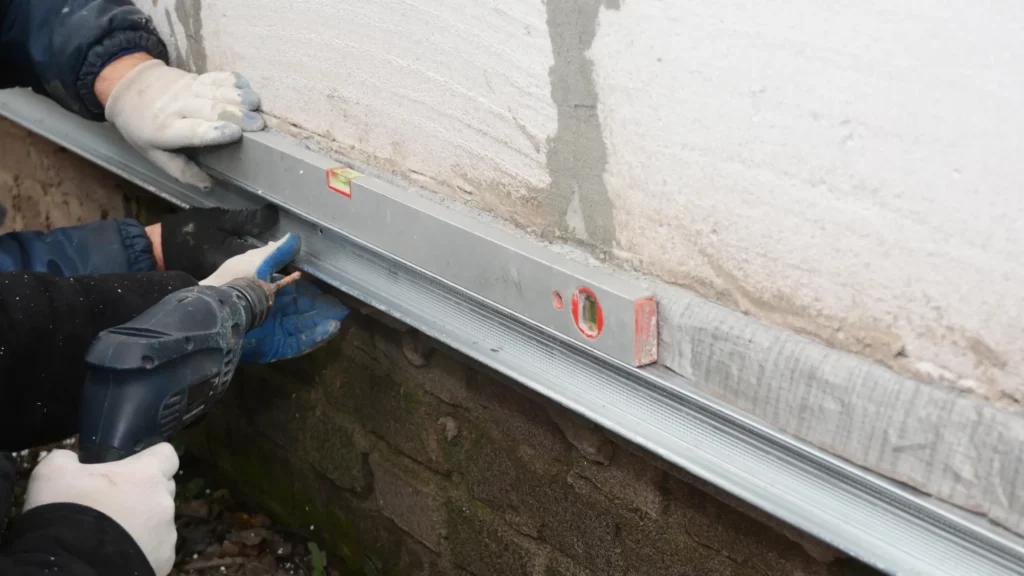
The cost of homeowners insurance varies based on several factors, such as the location and age of your home, its size and construction type, as well as what kind of coverage you are looking for. Insurers typically offer discounts when you bundle policies together, such as auto and homeowners insurance, which could lower overall costs.

7. Turn on Utilities

utilities

The first step in setting up utilities is researching providers in your area. Most areas have several different electricity, gas, and water providers that offer competing rates and services. Some may even offer special deals for new homeowners, so it’s worth doing some research before making any decisions. You’ll also want to check with your local government to see what other utility companies you can choose from, such as phone, internet, waste management, and more.

Once you’ve chosen a provider, it’s time to start the transfer process. Many providers will need proof of ownership, such as a deed or closing statement before they will set up a service in your name. Be sure to get all the necessary paperwork together before contacting the provider so they can get started on the transfer right away. You should also confirm whether there are any additional fees associated with transferring service into your name as well as any deposits required by the provider prior to turning on service at your home.

If you’re buying an existing home, remember that utilities are often still in the seller’s name until the closing day arrives. Be sure to communicate with them to ensure that utility services remain active until the closing day so you don’t have any surprises when you move in. If possible, arrange for all bills and deposits related to utilities to be paid out of escrow at closing so that there are no delays when transferring service into your name.

8. Final Walkthrough

final walkthrough

A final walkthrough is typically done just before closing on a home and ensures that all of the terms and conditions of the purchase agreement have been met by both parties. During this time, you will be able to inspect the property one last time, check if any agreed-upon repairs have been made, review important documents such as warranties and inspection reports, and ask questions about anything that concerns you about the property.

When doing your final walkthrough, be sure to turn on lights, flush toilets, run water, check appliances, and test smoke alarms and carbon monoxide detectors – basically, anything that can be tested or checked in order to make sure everything works properly.

You should also look for any visible signs of damage or wear and tear that may not have been present during previous inspections or walkthroughs. Make sure you take pictures or videos of anything suspicious so you can document it for future reference if needed.

Don’t forget to check for any personal items left behind by the seller – these should be listed on your contract, so make sure they are either removed from the property prior to closing or included in your purchase agreement at no additional cost.

If something isn’t quite right during your final walkthrough – such as unfinished repairs or missing items – don’t panic! Your agent will work with both parties involved (both the buyer and seller) to come up with an agreeable solution, so everyone is happy with the outcome. Your agent may also suggest alternatives such as credits at closing or other forms of compensation if necessary. In some cases, they may even suggest renegotiating terms of sale if necessary in order to satisfy both parties involved. Just remember: no matter how minor (or major!) an issue may seem during your final walkthrough, your real estate agent can help make it right!

9. Closing Date

closing

The closing date is when all parties involved in the process, including the buyer, seller, real estate agents, and lenders, sign all of the documents needed to complete the transaction. It’s important to understand what to expect on your closing day so that you can be prepared and ready.

The first thing you need to do before your closing day is to make sure that you have all of the necessary documents. This includes your Social Security or Tax Identification Number, photo ID (such as a driver’s license), proof of homeowner’s insurance information, and any other pertinent documents requested by your lender. Additionally, it’s important to have cashier’s checks or certified funds available for payment of any fees due at closing.

On average, there are usually four people in attendance at a home-buying closing: the buyer(s), the seller(s), each party’s respective real estate agent(s), and a representative from the title company who will facilitate the signing process. However, depending on your circumstances, additional persons may need to be present such as an attorney or notary public if required by state law.

Once everyone has gathered together, they will go over all of the paperwork with you line-by-line, including any amendments made during negotiations as well as review all disclosures regarding mortgage terms and conditions, among other things.

Once everything has been gone through thoroughly and all questions answered, it’s time for signing! All of those present will then sign off on their respective parts of paperwork related to title transfer (or deed) in order for ownership rights of the property to transfer from seller to buyer. Then once everyone has signed off, it’s officially done! Congratulations! You are now officially a homeowner!


Once your real estate offer is accepted and under contract, there are a few steps that come next to make sure the process stays on track. These nine steps include making an earnest money deposit, property inspection, lender documents, title commitment, and getting an appraisal. You will also need to buy homeowners insurance and turn on utilities in preparation for the final walkthrough before closing day.

If you are buying a home in the Nashville area, our experienced real estate team can help guide you through each step of this process. Contact us today to get started.

Change of Address Checklist When You Move

Moving house can be a stressful event, especially if you have not done it before. Between all the packing up, cleaning up and settling in somewhere new, it’s easy to overlook things such as changing your address when moving into a new home. That’s why having an address change checklist is essential for any homeowner looking to make the transition smoothly and without making costly mistakes. To help ease this burden, we’ve put together this guide on what needs to be updated when you move with a detailed checklist of important documents and services that require addressing!

The U.S. Postal Service

USPS

Moving to a new home can be an exciting time, but it can also be incredibly stressful. One of the most important things you have to do when moving is notify the U.S. Postal Service (USPS) of your change of address so that your mail will continue to arrive at your new home as expected. To make sure that you don’t miss any important mail, here’s a helpful checklist for submitting your USPS change of address request.

The first step in getting your USPS change of address notification submitted is to fill out the online form on their website. This form takes only a few minutes to complete and requires basic information such as your old and new address, email address, and phone number in case they need to contact you about any issues with your request. You will also need to provide a payment option if you want to pay the $1 fee via credit card or PayPal; otherwise, you can submit the form free by postal mail or in person at a local post office. Once you have filled out the form and paid any applicable fees, simply submit it and wait for confirmation from USPS that your request has been processed.

Once you’ve submitted the change-of-address form with USPS, you may want to consider opting out of unwanted mailing lists so that these companies stop sending junk mail to your old address. To do this, visit DMAchoice and follow their instructions for opting out of both digital and physical advertising mailers from participating companies. This is an optional step but one that can save you from unnecessary clutter in your mailbox down the line!

Tax Agencies

IRS

IRS – The Internal Revenue Service requires that taxpayers notify them of a change in address within ten days. It’s easy to update your address online through the IRS website or by submitting Form 8822 (Change of Address). Additionally, if you are expecting any tax refunds or correspondence from the IRS, make sure to update them as soon as possible so they know where to send them.

State Tax Agency – Depending on where you live, this might be an income tax agency or a department of revenue. Make sure to check with your local state agency for more information about how to update your address. Again, some states may require an online form, while others may require sending a paper form either by mail or fax.

Local Property Tax Assessor – If you own property, contact the local property tax assessor’s office in order to inform them of your change in address. This will ensure that all future correspondence regarding taxes will reach you at the correct address and that you don’t miss any important deadlines related to taxes owed for the property.

Department of Motor Vehicles

DMV

One of the key steps in this process is changing your address with the Department of Motor Vehicles (DMV). This can be a daunting task, but don’t worry – here’s your go-to checklist for changing your address with the DMV when you move.

Step 1: Gather Important Documents

Before you start filling out forms and making phone calls, make sure you have all the necessary documents gathered. This includes your driver’s license or identification card, vehicle registration, and proof of insurance. Having these items on-hand will make the process much easier.

Step 2: Update Your Driver’s License or Identification Card

You must update your driver’s license or identification card whenever you move to a new address. To do this, visit your local DMV office and present them with the documents listed above. You may also be required to fill out a form for changing your address at the DMV office. Be prepared to pay any applicable fees associated with updating your license or ID card as well.

Step 3: Update Your Vehicle Registration

Once you have updated your driver’s license or identification card, it is important that you also update your vehicle registration information at the same time. To do this, bring all relevant documents, such as proof of insurance and vehicle ownership paperwork, to your local DMV office when updating your driver’s license or ID card. Again, be prepared to pay any applicable fees associated with updating your vehicle registration information at the same time.

Social Security Administration

social security

Step 1: Update Your Address With the SSA.

The first step in changing your address with the Social Security Administration is to update your address online. You must have a mySocialSecurity account in order to make changes online. If you do not have an account yet, you can set one up quickly by providing your name, date of birth, and social security number. Once logged in, visit the “My Profile” tab and select “Change My Address” to enter your new address. Make sure that all fields are filled out accurately before submitting the form. This will update all of your records with SSA within ten days after submission.

Step 2: Contact Your Local Office.

After updating your address online, it is important to follow up with a phone call or email to your local SSA office as well so that they have updated records on file as well. This way, even if there is an issue with processing your online request, they still have all of your updated information on hand and can take care of any other issues that might arise from the move. You can find contact information for local offices on the SSA website or by calling their customer service line at 1-800-772-1213 for help locating the closest office near you.

Step 3: Change Your Beneficiaries and Direct Deposit Information if Necessary

Lastly, if you receive benefits from Social Security or if you use direct deposit for payments made by them (such as Social Security retirement benefits), make sure to notify them of any changes in address so that they know where to send payments moving forward. In addition, if you have any beneficiaries listed in their system, such as children or dependents who receive benefits through you, ensure that their addresses are also up-to-date since these will need to be changed if they move along with you when making a permanent residence change.

Voter Registration

vote

One of the most important documents you need to update when you move is your voter registration. Here’s what you need to know about changing your voter registration address when you move.

Step 1: Check Your State Requirements

Every state has different requirements for updating your voter registration when you move, so it’s important that you check with your local election office or Secretary of State website to find out what the rules are in your area. Some states may require that you re-register at the same polling place where you were previously registered, while others may allow you to update your address online or by mail.

Step 2: Gather the Required Documentation

Once you’ve determined what documentation is required, make sure that you have everything on hand so that you don’t run into any delays during the process. Generally speaking, most states will require some form of proof-of-residency documents like a driver’s license or utility bill in order to update your voter registration information. Make sure that all documents are up-to-date and accurate before submitting them.

Step 3: Update Your Information

Once all of the required documentation has been gathered, it’s time to actually update your voter registration information. This can be done either online, by mail, or in person – depending on the requirements set forth by your state government. To complete this step online, visit vote.gov and follow their instructions for updating your information; if mailing in an application form, make sure that it is sent via certified mail so that it can be tracked; if registering in person at a local election office or Secretary of State office, bring along valid photo identification as well as proof-of-residency documents (if required).

Gas and Electric Companies

electricity

1. Contact your current provider: Make sure to contact both your gas and electric companies to let them know about your move. Give them plenty of time before you move so that they can update their records. It’s also important to keep track of any unpaid bills in case you need to transfer any balances or pay off any outstanding debts before closing out your account.

2. Find a new provider: Research different providers in the area you are moving to find one that fits your needs and budget. Ask friends, family, or neighbors in the area for recommendations if needed. Once you have chosen a new provider, contact them directly or go through an energy comparison website to switch providers as soon as possible so there won’t be any disruption in service when you move into your new home.

3. Update billing information: As part of the switchover process, make sure that all billing information is updated correctly with both old and new providers so that there is no confusion regarding payments after the move has been completed.

4. Transfer accounts: Once everything else has been taken care of, it’s time to transfer accounts from one provider to another by providing proof of address such as a recent utility bill or driver’s license. This will ensure that service continues without interruption when you move into your new home and that all necessary paperwork is handled properly by both parties involved in the transaction.

5 Monitor usage: Finally, make sure to monitor both gas and electricity usage at the beginning of each month so that there are no surprises on future bills due to higher-than-expected costs associated with increased usage after moving into a larger space or using more appliances than usual during colder months, etc.

Cable Service Providers

TV

When moving out of state or even just across town, it’s important to contact your current television provider about canceling service at your old address and signing up for service at your new one. Remember that depending on where you move, certain cable providers may not be available in the new area—so it’s important to do some research ahead of time!

Internet Service Providers

internet

When changing addresses with an ISP (Internet Service Provider), there are a few different steps involved depending on what type of connection is available at the new address. If DSL (digital subscriber line) or cable connections are available at the new address, then most ISPs will simply transfer existing services over after verifying the address information. However, if fiber-optic connections are available in the area, then customers may have to set up new accounts and purchase compatible equipment from their provider before they can begin using their internet connection again. In any case, it’s best to contact your ISP prior to moving day so that everything can be ready as soon as possible once you arrive at your destination!

Homeowners or Renter’s Insurance

homeowners insurance

Moving can be a stressful and overwhelming task, especially if you don’t have a plan. In addition to making sure all of your belongings arrive safely at your new home, it’s important that you update your homeowner’s or renter’s insurance information with the change of address. As an informed homeowner, it is essential that you are aware of the steps you need to take in order to ensure that your coverage remains up-to-date and current.

The first step in updating your homeowners or renter’s insurance policy after a move is to gather as much information about your new home as possible. Make sure to get any details regarding the square footage, number of bedrooms, etc., from the previous owner or landlord. This will help you determine how much coverage you should purchase for your new residence. Also, make sure that you obtain proof of ownership for any possessions, such as furniture and electronics, prior to moving day; this will help ensure that these items are covered under your policy once you move in.

Once you have gathered all the information about your new home, contact your insurance company and provide them with the necessary details about your policy and coverage options. They will be able to provide you with customized advice to ensure that everything is taken care of properly when it comes time for moving day. Additionally, they may offer additional discounts on premiums if certain criteria are met, such as having a security system installed or other safety measures put into place at the new property. Be sure to ask questions and get clarification on any points that are unclear so that there are no surprises down the line when it comes time to file a claim with them.

Finally, review all of the coverage options available through your insurance provider and make sure they offer adequate protection for both yourself and your belongings when you move into the new home. If necessary, consider upgrading certain aspects of the policy, such as liability limits or adding additional riders for certain items like jewelry or artwork that may need extra protection during transit across state lines or internationally. By taking all these steps into consideration before moving day, you can rest assured knowing that both yourself and all of your valuable possessions will be fully protected during this exciting transition period!

Your Employer

employer

Your first step should be informing your human resources department of your upcoming move and providing them with your new contact information. Make sure you give them plenty of notice so they can update their records accordingly. You can also provide them with any additional documents related to the move, such as a copy of the lease or proof of purchase if you plan on buying a house. This way they will have all the necessary paperwork on file in case they need it at any point in the future.

Your Bank and Credit Card Companies

bank

If you have any outstanding bills or debts with banks or creditors, make sure they are notified about your move as soon as possible, so all future payments are sent correctly and on time! Most banks offer an online portal where you can update all relevant information quickly, while some creditors may require that you call them directly or send them a written letter outlining the details of your relocation before they update their records accordingly. Either way, it’s important to take care of this step sooner rather than later – especially if there are monthly payments due!

Subscription Services

subscription

It’s easy to overlook the little details when moving to a new house, but making sure your subscription services are updated with your new address is key for a stress-free move. We’ve put together a checklist of considerations you should keep in mind when it comes to updating your subscription services.

Mail Delivery Services

If you rely on any mail delivery services, like Amazon Prime, notify them of your new address ahead of time. This will ensure that packages don’t get sent to the wrong place and that you have access to all the same services at your new home as you did at your old one. Many delivery services offer online portals that allow you to easily update your address information with just a few clicks.

Newspapers & Magazines

If you subscribe to any newspapers or magazines, make sure they know about your address change as well. Most publications offer an online portal for subscribers where you can easily update their contact information and payment options if needed. You may also need to update any existing subscriptions so that they don’t lapse during the move.

Grocery Delivery Services

If you use grocery delivery services like Instacart or Amazon Fresh, it’s important to update them with your new address before you move. That way, when it comes time for your next delivery, the driver will know exactly where to go. If you don’t update them, there may be delays and confusion when the driver arrives at your old house—and no one wants that!

Subscription Boxes

Subscription boxes are becoming increasingly popular these days and for good reason. They make it easy to get all the things you need without leaving home. But if you forget to update the box company with your new address before you move, they won’t be able to find you at your new home! So take some time to update all your subscription boxes with your new information before packing up and moving out.


Moving can be a pain, but we hope our change of address checklist makes the process a little less stressful for you. Be sure to give yourself plenty of time to update your information with all the appropriate agencies and companies–the last thing you want is to miss out on important mailings or have your services disrupted because you forgot to notify the right people of your new address. And once everything is finally squared away, enjoy your new home!

Buying a home can be a big decision, but it doesn’t have to be overwhelming. By arming yourself with knowledge and working with experienced professionals, you can confidently navigate the process from start to finish. If you’re ready to start shopping for your new home in Middle Tennessee, feel free to contact us today! We would be more than happy to help.