Financial Requirements to Buy a House

Are you thinking about buying a house? It’s an important decision, and there are a lot of factors to consider. One of the most important is your financial situation. What are the financial requirements to buy a house? This post will outline the basics. Keep in mind that each situation is unique, so you should consult with a qualified mortgage professional and a real estate agent before making any decisions.

Qualifying Credit

credit

When you’re ready to buy a house, the first step is qualifying for a mortgage. Lenders will look at your credit score to determine whether or not you’re a good candidate for a loan. But what is a good credit score? And how can you improve your credit score to make sure you qualify for the best mortgage possible?

What Credit Score Do I Need to Qualify for a Mortgage?

There are two main types of loans people take out when they buy a house: conventional loans and government-backed loans. Conventional loans are typically issued by banks and private lenders, while government-backed loans are issued by the government. The credit score requirements for these two types of loans differ because the risk level is different for each one.

Conventional loans tend to have stricter credit score requirements than government-backed loans because they’re not backed by the government. This means that if you default on your loan, the lender is at risk of losing money. As a result, lenders are more cautious about who they approve for a conventional loan. The minimum credit score for a conventional loan is 620, but if you have a higher credit score, you’ll likely get better interest rates and terms.

Government-backed loans are backed by the government, which means that if you default on your loan, the government will reimburse the lender. Because the government is taking on some of the risk, lenders are more lenient with their credit score requirements for these types of loans. The minimum credit score for an FHA loan (a popular type of government-backed loan) is 580. However, even if your credit score is below 580, you may still be eligible for an FHA loan if you have other compensating factors, like a low debt-to-income ratio or a high level of equity in your home.

In addition to the type of loan you’re applying for, your lender may also have their own specific credit score requirements. It’s always best to check with your lender to see what their specific requirements are before applying for a mortgage.

The bottom line is that there is no one-size-fits-all answer to the question, “What credit score do I need to buy a house?” It depends on the type of loan you’re applying for as well as the lender you’re using. However, in general, you’ll need a credit score of at least 620 to qualify for a conventional loan and 580 to qualify for an FHA loan. Remember that these are just minimum requirements – if your credit score is higher than these numbers, you may be able to get better interest rates and terms on your mortgage.

How Can I Improve My Credit Score?

One of the best things you can do is to make all of your payments on time. This includes everything from your rent or mortgage payment to your car payment and even your utility bills. You should also try to keep your balances low on any revolving accounts, like credit cards. And if you have any collections or charge-offs, try to pay those off as well.

Your credit score is one of the most important factors in qualifying for a mortgage. A good credit score is typically anything above 650, but the higher your credit score, the better interest rate you’ll qualify for. If your credit score is below 650, don’t worry – there are plenty of things you can do to improve it. Making all of your payments on time and keeping your balances low on any revolving accounts are two great ways to start.

Proof of Income and Finances
income

Buying a house is a huge financial commitment. As such, when you’re going through the process of applying for a mortgage, your lender is going to want to see proof that you have the income and financial stability to make your monthly payments.

This can come in the form of tax returns, pay stubs, or W-2 forms. If you’re self-employed, you may need to provide additional documentation, such as business licenses or bank statements. Your lender will use this information to determine how much money you bring in each month and whether or not you can afford to make your monthly mortgage payments.

In addition to proof of income, your lender is also going to want to see proof of your financial stability. This can come in the form of bank statements, investment account statements, or retirement account statements. Your lender wants to see that you have enough money saved up to cover your down payment and closing costs, as well as any unexpected expenses that may come up during the course of owning your home. They’ll also use this information to determine if you’re likely to default on your loan or if you’re a high-risk borrower.

If you’re planning on buying a house, it’s important to be prepared to show proof of income and financial stability to your lender. This can come in the form of tax returns, pay stubs, bank statements, and investment account statements. Your lender will use this information to determine how much money you bring in each month and whether or not you can afford to make your monthly mortgage payments. By being prepared with this documentation from the start, you can streamline the home-buying process and get into your new home that much sooner!

Down Payment

down payment

When you’re ready to buy a home, one of the first things you need to determine is how much money you’ll need for a down payment. A down payment is the portion of the purchase price that you pay upfront, and it’s an important factor in getting approved for a mortgage. Lenders typically like to see a down payment that’s at least 20% of the purchase price, but there are programs available that allow for less.

How Much Should You Save for a Down Payment?

Ideally, you should aim to have a down payment that’s at least 20% of the purchase price of the home. With a 20% down payment, you won’t have to pay for private mortgage insurance (PMI), and your monthly mortgage payments will be lower. You’ll also have equity in your home from day one, which can give you peace of mind and provide some financial security if you ever face tough times.

Of course, not everyone has the ability to save up to 20% of the purchase price of a home. If that’s the case for you, there are still options available. You can put down 10% and pay PMI until you reach 20% equity in your home, or you can look into government-backed loans like an FHA loan, which only requires a 3.5% down payment. No matter what option you choose, remember that the more money you’re able to put down upfront, the better off you’ll be in the long run.

Closing Costs

When you’re buying a house, there are a lot of costs to consider. In addition to the purchase price of the home, you’ll also need to factor in things like inspections, appraisals, and of course, closing costs. But what exactly are closing costs? Simply put, closing costs are fees associated with buying a home. These fees can be paid by the buyer, the seller, or split between the two parties.

Closing costs are fees associated with your home purchase that are paid at the close of escrow. These costs can vary based on a number of factors but typically range from 2-5% of the total loan amount.

Closing costs can have a big impact on home buyers, especially if they are not prepared for them. It’s important to factor in closing costs when budgeting for your home purchase. Some buyers choose to finance their closing costs into their mortgage in order to avoid having to come up with the cash at closing. However, this will increase your monthly payments.

If you’re not able to finance your closing costs or don’t want to, there are other options available. Many sellers are willing to contribute towards the buyer’s closing costs as part of the negotiation process. Additionally, some lenders offer programs that help buyers with their closing costs. Be sure to ask your lender about any programs they offer that could help you with this expense.

Here’s a rundown of some of the most common closing costs so that you can be prepared when it comes time to buy your dream home.

1. Appraisal Fee: An appraisal is an estimate of the value of a property. The appraisal fee covers the cost of hiring a professional appraiser to determine the value of the home you’re interested in purchasing.

2. Home Inspection Fee: A home inspection is a thorough examination of the condition of a property. The inspection fee covers the cost of hiring a professional inspector to check for things like structural damage, pest infestations, and other potential problems.

3. Loan Origination Fee: A loan origination fee is charged by the lender for processing your mortgage loan application. This fee is typically a percentage of the total loan amount and can range from 0.5% to 1%.

4. Mortgage Points: Mortgage points are optional fees that can be paid by either the buyer or seller at closing in order to lower the interest rate on the loan. One point equals one percent of the loan amount and typically lowers the interest rate by 0.125%.

5. Private Mortgage Insurance (PMI): PMI is required if you’re putting less than 20% down on a home and helps protect the lender in case you default on your loan. The premium is typically paid as part of your monthly mortgage payment but can also be paid upfront at closing.

6. Surveying Fee: A survey is used to confirm property boundaries and ensure that there are no encroachments on the property from adjoining properties or easements. The surveying fee covers the cost of hiring a professional surveyor to perform this service.

7 . Title Search and Insurance: A title search is used to confirm that the seller is indeed the rightful owner of the property and that there are no outstanding liens or judgments against it. Title insurance protects both buyers and lenders against losses resulting from title defects or challenges after closing.

8 . Transfer Taxes: Transfer taxes are levied by state and local governments on real estate transactions and are typically paid by the buyer at closing but can also be split between buyer and seller or paid entirely by the seller.

9 . Underwriting Fee: An underwriting fee is charged by the lender for reviewing and approving your loan application. This fee is typically a flat rate but can also be charged as a percentage of the loan amount.

10 . VA Funding Fee: If you’re a veteran or active duty service member, you may be eligible for a VA-backed mortgage loan. The VA funding fee helps cover losses incurred by VA-backed loans and helps ensure that these loans remain affordable for future generations of veterans.

11 . Recording Fees: Recording fees are charged by local governments for recording documents related to your real estate transaction, including deeds, mortgages, and other legal documents. These fees are typically paid by buyers at closing but can also be split between buyers and sellers or paid entirely by sellers depending on local customs.

As you can see, there are many different types of closing costs associated with purchasing a home. Some closing costs, like appraisal fees and home inspection fees, are necessary in order to get your loan approved, while others, like mortgage points, are optional. It’s important to work with your real estate agent, lender, and attorney to understand which fees apply in your situation so that you can be prepared when it comes time to close on your new home.

Debt to Income Ratio

When you’re ready to buy a house, one of the first things your lender will want to know is your debt-to-income (DTI) ratio. This simple calculation provides valuable insight into your financial health and helps lenders determine whether you’re able to afford a new home loan.

What is a Debt-to-Income Ratio?

Your debt-to-income ratio is exactly what it sounds like: the percentage of your monthly income that goes toward paying down debts. To calculate your DTI, simply add up all of your monthly debt payments and divide them by your gross monthly income.

For example, let’s say your monthly debts include a $1,000 car payment, a $250 student loan payment, and $150 in minimum credit card payments. Your monthly gross income is $3,000. In this case, your DTI would be 25% ($1,400/$3,000).

Generally speaking, the lower your DTI ratio, the better off you are financially. A low DTI ratio indicates that you have a good amount of disposable income each month after covering your debts—meaning you’re more likely to be able to afford a new mortgage payment without stretching yourself too thin.

Most lenders prefer to see a DTI ratio of 36% or less. Some government-backed loans may allow for a higher DTI ratio of up to 50%, but these are generally reserved for borrowers with exceptional credit scores.

It’s important to note that your front-end DTI ratio—which only includes housing costs like mortgage payments or rent—is usually lower than your back-end DTI ratio, which takes all debts into account. Lenders will usually focus on your back-end DTI when reviewing your loan application.

To give you an idea of where you stand, here’s a quick breakdown of acceptable DTI ratios by loan type:

* Conventional Loans: 28% front-end / 36% back-end

* FHA Loans: 31% front-end / 43% back-end

* VA Loans: 41% front-end / 41% back-end

Your debt-to-income (DTI) ratio is an important number when it comes time to apply for a home loan—but it’s not the only factor lenders will consider when reviewing your application. By staying mindful of your finances and taking steps to improve things like your credit score and employment history, you can increase the chances of getting approved for the home loan you need.

Real Estate Agent

real estate agent

You’ve finally saved up enough for a down payment, and you’re ready to buy your first home. Congratulations! The next step is finding a real estate agent to help you through the process. But how much does a real estate agent cost?

The simple answer is that real estate agents don’t charge a fee to buyers. In fact, in most cases, the seller pays the commission, which is then split between the listing agent and the buyer’s agent. So, as a buyer, you can use a real estate agent’s services without having to pay anything out of pocket.

If you would like to learn more about the benefits of using a real estate agent when buying a home, check out this post.


So what does it take to buy a house in today’s market? A good credit score, proof of income and finances, down payment, closing costs, and a low debt-to-income ratio. If you can meet these requirements, you are on your way to becoming a homeowner. Our team at Bernie Gallerani Real Estate is here to help you every step of the way. Contact us today to get started on your home-buying journey!

Our team has sold thousands of homes throughout Middle Tennessee. Even if you are looking outside of Middle Tennessee for a home, contact us, and we can give recommendations for some of the top real estate agents throughout the country.

Should I Sell A House Without A Realtor?

When it comes to selling a house, there are a few different paths you can take. One option is to work with a realtor, while another is to sell the house yourself. Both have their pros and cons, so making the decision can be tricky. In this blog post, we’ll break down the pros and cons of selling a house without a realtor and help you decide what’s best for you.

Can I Sell A House Without A Real Estate Agent?

You are not legally required to have a real estate agent when selling a house, but using an agent is in your best interest.

What Are FSBO Listings?

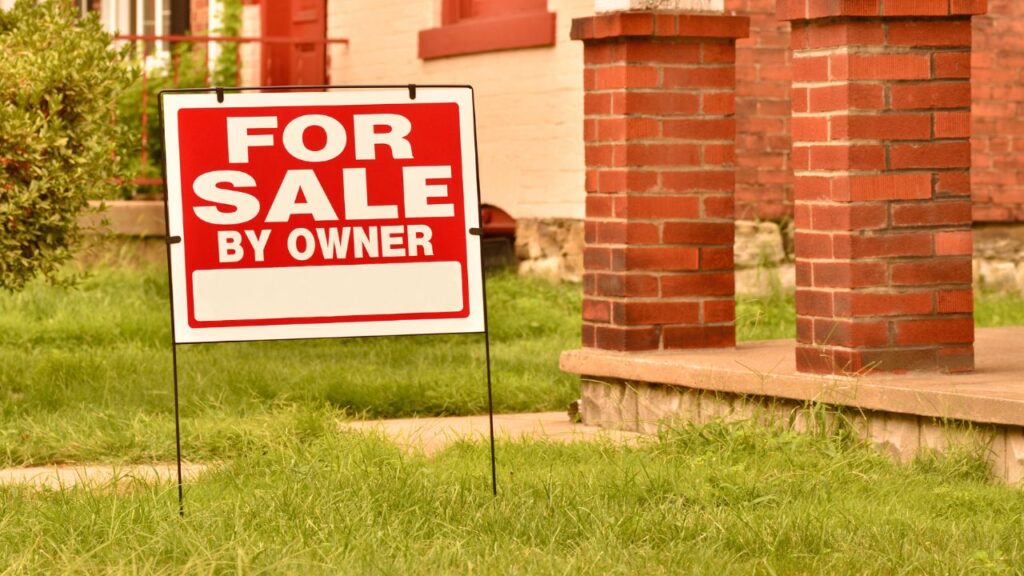
A house with a "For Sale by Owner" sign in front.

FSBO listings are homes that are being sold by the owner, rather than through a real estate agent. Selling your home without an agent can save you thousands of dollars in commissions, but it also means that you’ll be responsible for all aspects of the sale, from marketing the property to negotiating with buyers. If you’re considering selling your home without an agent, it’s important to understand the pros and cons of FSBO listings before making a decision.

Pros of Using A Real Estate Agent When Selling A House

When you’re selling your home, it’s important to work with a professional who can help you through the process. A real estate agent will have the experience and knowledge to guide you through every step of selling your home. Here are a few reasons why you should use a real estate agent when selling your home.

The Sale Price is Often Higher

more money

Many home sellers believe that they can save money by selling their home without the help of a real estate agent. While it is true that you will not have to pay a commission if you sell your home without an agent, this does not mean that you will necessarily get a better price. In fact, in most cases, homes that are sold with the help of a real estate agent actually sell for more than homes that are sold without an agent.

Your Home Will Be Listed At the Right Price

One of the most important aspects of selling your home is pricing it correctly from the start. Overpricing your home will likely result in few showings and even fewer offers, as buyers will perceive your home as being overvalued compared to similar properties on the market. On the other hand, if you price your home too low, you may end up leaving money on the table. So how do you determine what the right price is for your home?

This is where working with a real estate agent can be extremely helpful. A good agent will have a keen understanding of the local market and will be able to provide you with a comparative market analysis (CMA) that takes into account recent sales of similar properties in your area. They will also be able to give you an estimate of what they believe your home is worth based on their knowledge and experience.

While it’s ultimately up to you to decide what price you list your home at, it’s important to take into consideration all of the relevant factors involved before making a final decision. Working with a real estate agent can give you peace of mind knowing that you’re listing your home at a fair and competitive price, increasing your chances of finding a buyer quickly and for the best possible price.

More Publicity With A Real Estate Agent

The Multiple Listing Service (MLS) is a database of all homes currently for sale in an area that is only accessible to real estate agents and brokers. When you list your home with a real estate agent, they will input all of your home’s information into the MLS, which will then be distributed to all of the other agents in the area. This allows buyers who are working with an agent to see your home listed alongside all of the other homes on the market, increasing the chances that your home will be seen by potential buyers.

In addition to using the MLS to list your home, most real estate agents also have their own websites and social media accounts that they use to market their listings. By listing your home with an agent, you gain access to this increased online visibility. Not only that, but you also benefit from the years of experience and marketing expertise that your agent has to offer.

Real Estate Agents Are Experienced Negotiators

negotiate

Think about it – when was the last time you negotiated a contract? For most people, it’s probably been a while, if ever. Real estate agents, on the other hand, negotiate deals all day, every day. They know how to read people, they know what objections to anticipate, and they know how to get the best possible deal for their clients.

If you’re thinking of selling your home without an agent, you may be missing out on thousands of dollars that an experienced negotiator could have saved you.

Real Estate Agents Take Care of the Paperwork

paperwork

Selling your home without an agent means that the homeowner is responsible for taking care of all the paperwork themselves. This can be a daunting task, especially if you’re not familiar with the ins and outs of the real estate industry. Luckily, real estate agents are experts at handling paperwork and can take care of everything for you.

Below is a comprehensive list of all the documents you will need to sell your own home:

  • Original Sales Contract

  • Professional Appraisal

  • Records of home repair and maintenance

  • Payoff amount for your mortgage (mortgage statement)

  • Insurance Records

  • Receipts from any improvements

  • HOA documents (if applicable)

  • Warranties and manuals

  • Preliminary Title Report

  • Mandatory Disclosures

  • Pre-Inspection Report

  • Comparative Market Analysis

  • Listing Agreement

  • Seller’s Net Sheet

  • Purchase offer

  • Final purchase and sales agreement

  • Contingency removal form

  • Home Inspection Report

  • Appraisal Report

  • Closing Statement

  • Deed

  • Tax Forms

If you decide to use an agent, they will help you with all of this paperwork.

Real Estate Agents Have Relationships With Other Agents in the Area

When you have an agent who has relationships with other agents, it can help to get your home sold quickly. This is because they will have a network of people who they can reach out to when your home is on the market. They can also let other agents know if you are looking for a specific type of buyer.

Real Estate Agents Can Help You Prepare Your Home for Sale

home

Real Estate Agents will be able to give you advice on what repairs need to be made, what improvements should be made, and how to stage your home so that it appeals to buyers. This can make a big difference in how much your home ultimately sells for.

Real Estate is a Full-Time Job

From the initial preparations to listing your home and hosting showings, there is a lot of work involved in getting your home sold.

Home sellers often underestimate the amount of work required to sell their home. In addition to the day-to-day tasks of keeping your home clean and presentable for showings, there are also larger projects that need to be completed before listing your home. These projects can be done by an agent when you choose to list your home with them.

Con of Using A Real Estate Agent When Selling A House

Paying Real Estate Agent Commission Fees

commission fee

The most significant disadvantage of using a real estate agent is the commission that will be owed once the home sells. Most agents work on a commission basis, meaning they are only paid if and when the transaction is successfully completed. The amount is not fixed and can vary depending on the agreement, market conditions, and the services provided.

Commission arrangements are negotiable. Depending on the contract, a buyer’s agent may be compensated by the seller, the buyer, or through another arrangement agreed upon during the transaction.

As mentioned in the Pros section, homes sold with the help of a real estate agent often achieve higher sale prices. The additional value you gain from the sale can help offset the cost of commission, while also saving you the time and effort of managing the sale on your own.


Selling your home can be a daunting task, but with the help of a professional real estate agent, you can feel confident that the process will go smoothly. Our team at Bernie Gallerani Real Estate has the experience and knowledge to guide you through every step of the selling process, from setting a price to negotiating offers. Don’t go through this process alone – let us help you today!

Our team has sold thousands of homes throughout Middle Tennessee. Even if you are looking outside of Middle Tennessee for a home, contact us, and we can give recommendations for some of the top real estate agents throughout the country.

Should I Buy a House Without a Realtor?

Buying a house is a huge decision – one that can have a major impact on your life. And while most people hire realtors to help them through the process, there are some who choose to go it alone. So, should you buy a house without a realtor? Here’s what you need to know.

What’s the Difference Between a REALTOR® and a Real Estate Agent?

REALTORS® are real estate professionals who are members of the National Association of REALTORS® (NAR). To become a REALTORS®, an individual must meet certain requirements, including completing training on a code of ethics and being a member of a local board of REALTORS®.

A real estate agent is any person who is licensed to help people buy or sell properties. Unlike REALTORS®, there are no extra requirements or qualifications that an individual must meet in order to become a real estate agent.

While all real estate agents are required to pass state exams in order to earn their license, not all agents are created equal. When working with an agent, it’s important to ask about their experience level, especially if you’re buying or selling a home for the first time.

This does not mean that REALTORS® are better or more qualified than regular real estate agents; it just means that they’ve joined a broader network of real estate professionals.

Generally speaking, agents who have been in the business for longer will likely have more experience than those who are just starting out.

Can I Buy A House Without A Real Estate Agent?

You are not legally required to have a real estate agent when buying a house, but using an agent is in your best interest.

Pros of Using A Real Estate Agent

Agents Have More Access to Listings

A bird's-eye view of a residential area with houses.

One of the most important benefits of working with a real estate agent is that they will have access to more listings than you would if you were searching on your own. In order to get access to the multiple listing service (MLS), you must be a licensed real estate agent. The MLS is a database of homes for sale that is only accessible to agents. This ensures that only experienced agents are able to list homes on the MLS, which helps protect buyers from scams and provides them with peace of mind throughout the home buying process.

Working with an experienced real estate agent who has access to the MLS gives you the opportunity to see listings as soon as they become available—sometimes even before they are officially on the market. This is because real estate agents often have relationships with other agents in the area and can sometimes get their hands on listings before they are widely publicized.

In addition to being able to provide buyers with access to listings, agents who are members of the MLS also have exclusive access to certain features that can make finding the right home easier. For example, some MLS systems allow agents to set up automatic alerts that notify them when new listings matching their buyer’s criteria become available.

Agents Are Expert Negotiators

When it comes to purchasing a home, there are a lot of factors to consider. One of the most important is negotiating the price. After all, you want to get the best possible deal on your new home. But unless you’re an experienced negotiator, this can be a daunting task. That’s where a real estate agent comes in. With their help, you can rest assured that you’re getting the best possible price on your dream home.

Furthermore, real estate agents have extensive knowledge of the housing market. This allows them to provide valuable insights and guidance when it comes time to negotiate the price of a home. With their help, you can be sure that you’re getting the best possible deal on your new home.

Agents Are Experts in the Area

One of the biggest advantages of working with a real estate agent is their local market knowledge. They know which neighborhoods are up-and-coming; which school districts are the best; and which homes will appreciate in value. This knowledge is invaluable when you’re trying to find the perfect home because it means your agent can help you narrow your search to properties that meet your specific needs and budget.

Agents Have Relationships With Lenders

As a home buyer, you may be inundated with offers from mortgage lenders. It can be tough to know who to trust. After all, this is likely the biggest loan you’ve ever taken out, and you want to make sure you’re getting the best possible deal. This is where your agent can help. They likely have established relationships with several lenders and can help guide you to one that they trust.

Your agent’s recommendations come from a place of experience. They’ve worked with many buyers and have seen firsthand which lenders provide great service and which ones don’t. If your agent has a lender they recommend, it’s a good idea to at least speak with them and see what they have to offer. Even if you end up going with another lender, it’s always good to have as much information as possible before making such a big decision.

Cons of Using A Real Estate Agent

For many home buyers, working with a real estate agent seems like a no-brainer. However, there are some potential downsides to working with a real estate agent that home buyers should be aware of before making a decision.

The first downside to working with a real estate agent is that they may not have your best interests at heart. While most real estate agents are ethical and honest, there are some who are more interested in making a quick commission than in helping you find the right home. It’s important to do your research when choosing a real estate agent and to select someone who comes highly recommended by friends or family members who have had a positive experience.

Another potential downside is hiring an agent with little to no experience. Buying a house will most likely be the biggest purchase of your life; you want to make sure that you are hiring an experienced professional that knows the ins and out of the business. When deciding to use an agent or not, make sure you ask how much experience they have in the business and how many homes they have sold in the past.


If you’re in the market for a new home, it’s definitely worth your time to contact a real estate agent. They have access to more listings than you would find online, they are experts at negotiating prices, it doesn’t cost anything extra to use an agent, they know the area inside and out, and they have relationships with lenders that can get you the best deal on a mortgage. Don’t go through this process alone – let us help you today!

Our team has sold thousands of homes throughout Middle Tennessee. Even if you are looking outside of Middle Tennessee for a home, contact us, and we can give recommendations for some of the top real estate agents throughout the country.

12 Most Common Homebuyer Questions

Buying a home is a big decision – maybe the biggest you’ve ever made. It’s normal to have a lot of questions. Am I getting the best deal? How can I be sure this is the right house for me? Where do I even begin?

Don’t worry; you’re not alone. Every homebuyer has these same questions and more. In this blog post, we’ll answer some of the most common questions that homebuyers have. By the end, you’ll better understand the home buying process and what to expect. 

1. Do I Really Need a Realtor When Buying a House?

realtor showing homes

Although a real estate agent isn’t required. There is a huge benefit to having one. Here are five reasons why you should have a real estate agent during the home-buying process:

1) They have access to MLS listings. 

The Multiple Listings Service, or MLS, is a database of all properties for sale in an area that is only accessible to real estate agents and brokers. This means that if you’re working with a realtor, they will be able to show you any and every house that meets your search criteria—including some that might not be listed on public sites like Zillow.

2) They know the ins and outs of the home-buying process. 

If this is your first time buying a house, the process can feel overwhelming. Between arranging financing, getting a home inspection, and dealing with contracts, there’s a lot to think about—and that’s not even including the emotional rollercoaster that is finding your dream home. A good realtor will be able to guide you through the entire process, answering any questions you have along the way. 

3) They can help you figure out what you can actually afford. 

It’s easy to get caught up in the excitement of buying a house and start considering properties that are outside of your budget. A realtor will be able to help you figure out how much house you can actually afford based on your income, debts, and other financial factors—which brings us to our next point… 

4) They’re experienced negotiators. 

Once you’ve found your dream home (with your realtor’s help), it’ll be time to make an offer. If you’re working with a realtor, they will do the negotiating for you—leaving you free to focus on other things, like packing up your old place and getting ready for the move. 

5) They have connections with other professionals in the industry. 

Realtors have worked with mortgage brokers, inspectors, and other professionals in the industry countless times before—which means they know who the good ones are (and who to avoid). If you’re working with a realtor, they’ll be able to connect you with high-quality professionals who can make the home-buying process that much easier. 

2. Who Pays the Realtor Fees When Buying a Home?

In most cases, the seller pays the realtor fees. The commission is typically 6% of the home’s sale price and is paid at closing. The commission is split between the listing agent and the buyer’s agent, with each agent usually receiving about 3% of the sale price. 

3. What is the First Step of the Home Buying Process?

The first step in purchasing a home is getting pre-approved for a mortgage. 

What is pre-approval? Simply put, being pre-approved for a mortgage means that a lender has looked at your financial information (income, debts, etc.) and has determined that you are qualified to borrow a certain amount of money. Being pre-approved gives you a general idea of how much you can afford to spend on a home and can also give you more negotiating power when it comes time to make an offer. 

In order to get pre-approved, most lenders will require the following: 

  • A completed mortgage application with all pertinent financial information
  • A credit report showing your credit score 
  • Proof of income in the form of tax returns, W2s, or pay stubs 
  • Employment verification 
  • An appraisal of the property you intend to purchase (this is usually done after an offer has been accepted) 

Once you’ve chosen a lender, it’s time to start the pre-approval process! Your loan officer will collect all of the necessary documentation and will likely ask you some questions about your employment history, your debts, and your financial goals. Once they have everything they need, they will run a credit check and verify your employment status. The whole process usually takes between 24 and 48 hours. After that, you should receive formal notification from the lender stating that you are pre-approved for a mortgage in a certain amount. Remember, being pre-approved is not the same as being approved; the final decision will be made once an offer on a home has been accepted, and the property has been appraised. However, being pre-approved is still an important first step in purchasing a home! 

4. How Much Can I Afford?

This is one of the first questions that homebuyers ask, and it’s a valid one. You don’t want to overspend on your house and find yourself struggling to make ends meet every month. The best way to figure out how much you can afford is to talk to a mortgage lender. They’ll take a look at your financial situation and let you know how much you qualify for. From there, you can start looking at homes in your price range. 

5. How Much Should I Save For a Downpayment?

down payment

The average down payment on a house in the United States is 6%. However, this number will vary depending on the type of home you’re looking to buy and where you’re looking to buy it. For example, if you’re planning on buying a starter home in a small town, your downpayment could be as low as 3 percent. On the other hand, if you’re looking to buy a luxury home in New York City, your downpayment could be as high as 25 percent. 

The minimum amount you can put down on a home will depend on the type of mortgage loan you’re applying for. For conventional loans, you’ll need at least 5 percent of the purchase price for a downpayment. If you’re applying for an FHA loan, however, your minimum downpayment will be 3.5 percent. 

6. What Kind of Credit Score Do I Need to Buy a Home?

credit score

The minimum credit score required for a mortgage varies depending on the type of loan you’re applying for. For a conventional loan, you’ll need a credit score of at least 620. However, if you’re applying for an FHA loan, you can qualify with a credit score as low as 580. 

Keep in mind that these are just the minimum scores required to qualify for a loan. If your credit score is on the lower end of the spectrum, you may still be approved for a loan, but you may have to pay a higher interest rate. Conversely, if your credit score is on the higher end, you may be eligible for lower interest rates and more favorable loan terms. 

7. How Long Does It Take to Buy a House?

family with house

The answer to this question depends on a number of factors, including whether you’re buying a newly constructed home or an existing home, whether you’re buying with cash or taking out a loan, and what type of loan you’re taking out. 

If you’re buying an existing home that’s already been built, you can generally expect to close on the house within 30-45 days after your offer has been accepted by the seller. If you need to take out a mortgage loan in order to finance your purchase, it may take slightly longer as your loan will need to be approved by the lender before closing can take place. 

If you’re buying a newly constructed home, however, it may take anywhere from 60-90 days to close on the sale as there are typically more inspections that need to be done in order to ensure that the property meets all building codes and regulations. Additionally, newly constructed homes often require extra time for financing as construction loans are typically more complex than traditional mortgages. 

8. How Much Do I Need to Pay For Closing Costs?

Closing costs are fees associated with buying a home, and they typically range from 3-6% of the purchase price. These costs cover things like inspections, legal fees, and title insurance. When you’re calculating how much you can afford, make sure to factor in closing costs, so you don’t get blindsided later on in the process. 

9. Should I Get a Home Inspection?

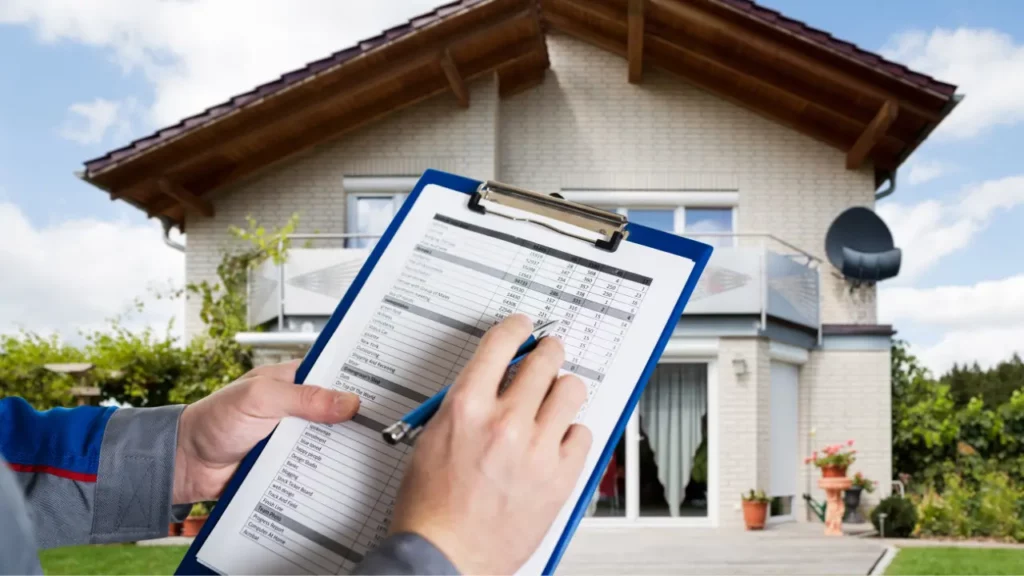
home inspection

A home inspection is an examination of the condition of a property. A professional inspector will take a close look at all of the accessible systems and components of the property, from the foundation to the roof, and will identify any items that are not functioning properly or that are in need of repair or replacement. The inspector will also provide you with a written report detailing their findings. 

There are many reasons why you should get a home inspection when buying a home. First and foremost, a home inspection can identify potential safety hazards. The inspector will look for things like trip hazards, electrical hazards, and gas leaks. Second, a home inspection can help you avoid costly repairs down the road. The inspector will identify any major defects or problems that need to be addressed. Third, a home inspection can give you peace of mind. Knowing that your new home is in good condition will allow you to enjoy it for years to come. 

10. Can I Buy and Sell My Home at the Same Time?

You’ve found your dream home. It’s perfect in every way, and you can’t wait to move in. But there’s just one problem: you still need to sell your current home. Is it possible to buy and sell a home at the same time? The answer is yes, but it’s not without its challenges.

The first thing you need to do is find a real estate agent who is experienced in handling simultaneous purchases and sales. They will be able to help you navigate the challenges that come with trying to coordinate two closings, which can be tricky since they are often scheduled for the same day. You will also need to be prepared for the possibility that your sale may fall through or that the buyer of your current home may ask for a delay in their closing date, which could push back the purchase of your new home. 

Another thing to keep in mind is that you will likely need to secure financing for both the purchase and sale of your homes before you put them on the market. This means getting pre-approved for a mortgage and having a loan contingency clause included in your purchase contract so that you can back out of the deal if your financing falls through. Lastly, be prepared for a lot of paperwork! Buying and selling a home at the same time means twice as many contracts, disclosures, and other documents to keep track of. But don’t worry; your real estate agent will be there to help you every step of the way. 

11. When Do I Get the Keys?

keys

Closing day is when the homebuyer and seller sign all of the necessary paperwork to finalize the sale of the home. Once all of the paperwork is signed, and the final payment is made, the title to the home will be transferred to the buyer. The buyer will then receive the keys to the property. 

Sometimes, the seller may agree to give the buyer a possession date before closing. This means that the buyer can move into the home before the sale is finalized. However, possession dates are not very common and usually only happen when the seller needs extra time to move out of the home. 

12. What Happens If I Change My Mind About a Home?

You’ve found your dream home. The perfect neighborhood, the perfect school district, and it’s within your budget. You put in an offer, and it’s accepted. The seller takes their home off the market, and you start planning for your future in this new house. But then, something happens. You start to have doubts. Can you really afford this house? What if there are hidden problems with the property? Can you back out of the contract? 

The good news is that you can back out of a real estate contract under certain circumstances—but it’s not as simple as just changing your mind. If you’re having buyer’s remorse, you should talk to your agent.

Your real estate agent is obligated to represent your best interests throughout the home-buying process. If you’re having second thoughts about the property you’re under contract for, sit down with your agent and explain your concerns. They may be able to help allay your fears or provide insights that you hadn’t considered. 


Buying a home can be a big decision, but it doesn’t have to be overwhelming. By arming yourself with knowledge and working with experienced professionals, you can confidently navigate the process from start to finish. If you have any more questions that we didn’t cover here, or if you’re ready to start shopping for your new home in Middle Tennessee, feel free to contact us today! We would be more than happy to help.

21 Home Improvements to Increase House Value

Are you thinking of selling your home in the near future? Or maybe you are just looking to increase its value in case you do decide to sell? There are many home improvements that can be made which will add value to your property. In this blog post, we will outline some of the most effective ones. So read on and find out what you can do!

1. Convert Or Build A Home Office

home office

Many people are now working from home, and as a result, the home office has become an increasingly important feature in the homes that they live in. Not only does a home office provide a dedicated space for work, but it can also add value to your house. There are a few things to consider when converting or building a home office, such as the size of the space and the amenities that you need. But if you plan carefully, you can create a home office that is both functional and stylish.

2. Finish Your Basement

finished basement

Buyers are often willing to pay more for a home that already has a finished basement, as it saves them both time and money. Furthermore, a finished basement can be a great selling point, as it provides additional living space that can be used for a variety of purposes. Whether you’re looking to create an extra bedroom, home office, or simply a cozy family room, finishing your basement is a great home improvement project.

3. Open Up The Floor Plan

open floor plan

Open spaces make a home feel more spacious and can accommodate more people which is perfect for entertaining. It also allows more natural light into the home, making it feel brighter and airier. Additionally, an open floor plan can make small homes seem larger and can make a big impact on resale value.

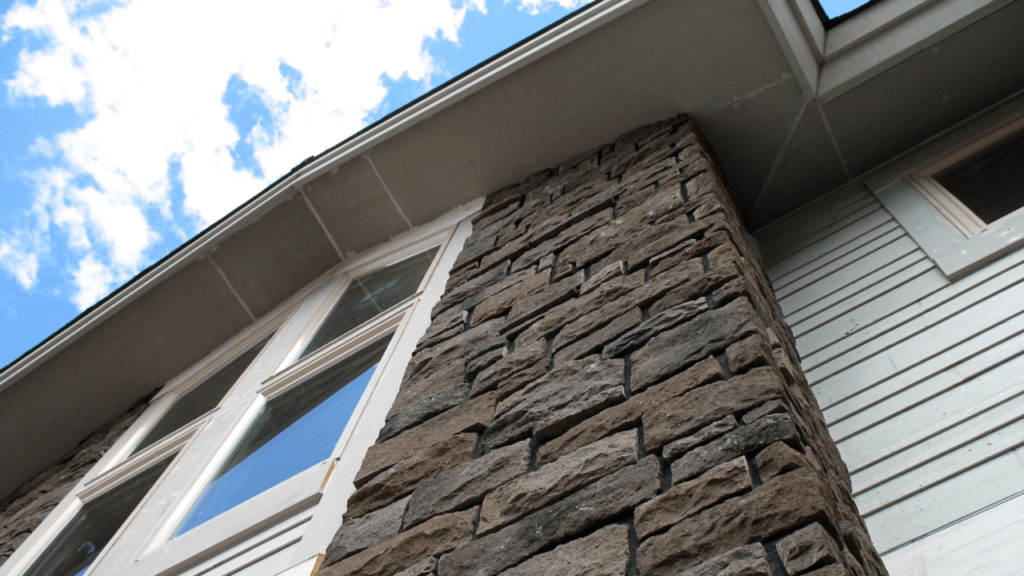
4. Add Stone Veneer To The Front of Your House

stone veneer

Stone veneer is a thin layer of natural stone that is applied to the surface of a structure. It is often used to accent the exterior of homes and buildings. In addition to enhancing the aesthetic appeal of a property, it can also provide protection from the elements. It is durable, flame-resistant, and maintenance-free, making it an ideal choice for those looking to add value to their home. When choosing stone veneer for your home, be sure to select a style that complements the existing architecture. With so many options available, there is sure to be a stone veneer that will meet your needs.

5. Get A Steel Door

Not only is a steel door more durable than a wooden door, but it also provides an extra layer of security. In addition, steel doors are generally much more energy-efficient than their wooden counterparts. This means that they can help to keep your home cooler in the summer and warmer in the winter, which can save you money on your energy bills.

6. Replace Your Garage Door

garage door

As any real estate agent will tell you, first impressions are critical when it comes to selling a house. That’s why it’s important to make sure the exterior of your home is in tip-top shape before putting it on the market. One easy and relatively inexpensive way to do this is to replace your garage door. A new garage door can give your home an instant facelift, making it more attractive to buyers. In addition, a garage door replacement can also improve the function of your garage, making it more energy-efficient and easier to use.

7. Update Your Mailbox And House Numbers

Most people don’t think about their mailbox or house numbers when they’re trying to increase the value of their home. But believe it or not, updating these simple things can actually add quite a bit of curb appeal. New mailboxes and house numbers can give your home a fresh look, while also making it easier for visitors and delivery people to find your address. 

8. Touch Up Or Re-Do Your Exterior Paint

paint exterior of house

A fresh coat of paint can make all the difference in the world when it comes to curb appeal, and it’s one of the simplest and most cost-effective ways to give your home a facelift. If you’re thinking of selling your home, repainting the exterior is a great way to make a good first impression on buyers. Even if you’re not planning on selling any time soon, Touching up or redoing your exterior paint can still be a wise investment; a well-maintained home is easier to sell down the road, and it can also help you avoid costly repairs that would be necessary if your paint were to start peeling or flaking. No matter what your reason for touching up or redoing your exterior paint, it’s sure to be a worthwhile project that will pay off in the long run.

9. Add A Deck Or Patio

patio

Adding a deck or patio to your home can increase its value in several ways. First, it provides additional living space that can be used for entertaining, relaxation, or both. This can be a major selling point for buyers, as it increases the usable square footage of the home. Additionally, a deck or patio can add to the curb appeal of the property, making it more visually appealing and thus more valuable. Finally, a well-designed and built deck or patio can add to the resale value of a home by increasing its overall appeal to buyers.

10. Put In A Fire Pit Or Outdoor Fireplace

fire pit

A fire pit can be a great gathering place for friends and family, and it can also provide a source of heat on chilly nights. An outdoor fireplace can add a touch of luxury to your backyard, and it can also be a practical way to keep warm during the winter months. If you are thinking about adding either of these features to your home, be sure to consult with a professional to ensure that you are doing it safely and correctly.

11. Dress Up Your Front Porch

front porch

First impressions are important, and that’s especially true when it comes to selling your home. The front porch is often one of the first things buyers will see, so it’s important to make sure it’s looking its best. Dress up your front porch with a few simple tweaks and you could see a bump in your home’s value. Start by power washing the walkway and sweeping away any debris. Next, add a few potted plants or hanging baskets to inject some color. Finally, consider changing out your door hardware or adding a fresh coat of paint to really make your entrance pop.

12. Refinish Your Hardwood Floors

refinish hardwood floors

The process of refinishing hardwood floors includes sanding down the existing finish, applying a new stain, and then sealing the floors with a clear coat. This process can be done by a professional or by a do-it-yourselfer with the right equipment. Refinishing your hardwood floors can give your home an updated look and feel, making it more attractive to buyers. In addition, properly refinished hardwood floors will be more durable and easier to clean, which is another selling point for potential buyers.

13. Replace An Aging HVAC

HVAC

One of the most important factors in determining the value of a home is the condition of the major systems, such as the heating, ventilation, and air conditioning (HVAC). An aging HVAC can not only lower the value of a home, but it can also lead to expensive repairs. For example, a leaky HVAC can cause water damage, while a broken HVAC can lead to high energy bills. That’s why it’s important to replace an aging HVAC before it becomes a problem. Not only will this help to maintain the value of your home, but it will also give you peace of mind knowing that your HVAC is in good working order.

14. Install New Siding

Siding

One of the easiest ways to increase its value is to install new siding. New siding will give your home a fresh, updated look that will appeal to buyers. It will also help to protect your home from the elements and increase its energy efficiency. Furthermore, new siding is a relatively straightforward project that can be completed in a short amount of time, making it a great option for homeowners who are looking to improve their property without undertaking a major renovation. So if you’re looking to boost your home’s value before putting it on the market, installing new siding is a great place to start.

15. Replace Your Old Toilets With Low-Flow Fixtures

Low-flow toilets use less water than traditional toilets, which can save you money on your water bill and help to conserve resources. In addition, low-flow toilets are often more efficient, flushing away waste with fewer clogs and leaks.

16. Turn Your Shower Into A Walk-In

walk-in shower

Walk-in showers are becoming increasingly popular, especially among buyers who are looking for a luxurious and functional bathroom. A walk-in shower can make your bathroom feel more spacious, and it can also be more accessible for people with disabilities. In addition, walk-in showers are low maintenance and easy to clean, making them a popular choice for busy families.

17. Install Smart Home Technology

smart home

Installing smart features makes a home more convenient and efficient. Smart thermostats, for example, can help to reduce energy costs by automatically adjusting the temperature based on the time of day and the occupants’ schedules. Smart lights can be programmed to turn on and off at certain times or linked to a motion sensor, so they only come on when someone is in the room. Other smart features that can improve a home include security systems, automated tasks such as opening and closing shades or turning on the sprinklers, and hands-free operation of appliances. By installing just a few of these features, homeowners can make their homes more attractive to buyers and increase its resale value.

18. Minor Kitchen Remodel

Kitchen

A minor kitchen remodel is a great way to increase the value of your home. Even something as simple as painting the cabinets or installing new countertops can have a major impact on the overall look and feel of the room. And, since the kitchen is one of the most important rooms in the home, potential buyers are often willing to pay more for a home that has a beautiful, updated kitchen. If you’re thinking about selling your home in the near future, consider investing in a minor kitchen remodel. It’s an affordable way to increase home value and make it more attractive to potential buyers.

19. New Interior Paint

paint inside of house

Many homeowners choose to update the paint in their homes to increase the value before putting it on the market. A new coat of paint can go a long way in making a house feel fresh and new. It is important to select a neutral color scheme that will appeal to a wide range of potential buyers. You may also want to consider accent walls or other paint features that can add interest to your home without alienating potential buyers.

20. Install Crown Molding

crown molding

Crown molding is a type of wood trim that is installed around the edge of a room, where the ceiling meets the walls. It adds a touch of elegance and can be used to complement almost any style of décor. Crown molding is relatively easy to install, and it can be done by most do-it-yourselfers with just a few tools. In addition, crown molding is relatively inexpensive, making it a great way to increase your home’s value without breaking the bank.

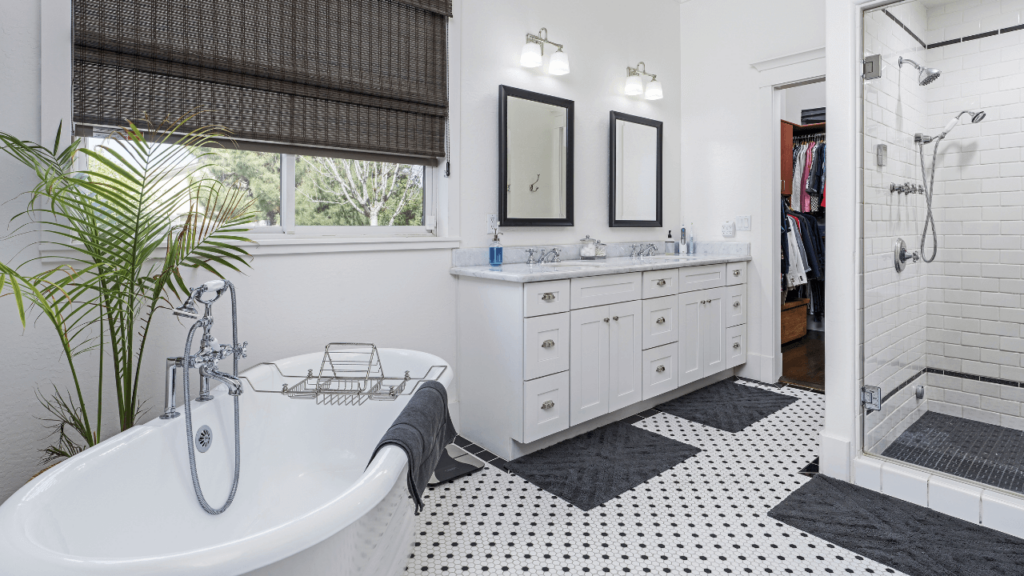
21. Upgrade The Bathrooms

bathroom

The bathroom is one of the most important rooms in a home, and its condition can have a significant impact on both the comfort of the occupants and the value of the property. Bathrooms see a lot of wear and tear over time, and they often become outdated long before the rest of the house. For these reasons, many homeowners choose to upgrade their bathrooms when they are looking to increase the value of their home. There are a number of ways to upgrade a bathroom, but some of the most common alterations include installing new fixtures, painting or wallpapering, and replacing flooring. These upgrades can be relatively simple and inexpensive, but they can make a big difference in both the appearance and functionality of the room. In addition, more extensive upgrades such as adding a second bathroom or expanding the size of an existing bathroom can also have a significant impact on property value.

What Is Home Equity?

Home equity is the portion of your home’s value that you own outright. It’s the difference between what your home could sell for on the open market and any outstanding mortgage or other liens you have on the property. For example, if your home is worth $250,000 and you owe $150,000 on your mortgage, you have $100,000 in equity.

Equity can be a useful tool if you need to borrow money, but it’s also important to remember that it’s one of the most important things you own – it’s effectively your “nest egg” and should be protected as such.

house

How Does Home Equity Work?

Home equity can be used as collateral for a loan or line of credit, providing the borrower with additional funds that can be used for any purpose. The interest rate on a home equity loan or line of credit is typically lower than that of a personal loan or credit card, making it an attractive option for borrowers who are looking to consolidate debt or make home improvements. When used wisely, home equity can be a valuable tool in helping homeowners reach their financial goals.

How Much Equity Do I Have in My Home?

There are a few different ways to calculate how much equity you have in your home. The most common method is to simply subtract the outstanding balance on your mortgage from the current appraised value of your home. However, this method may not give you an accurate picture of your true equity if your home has increased in value since you purchased it. 

Another way to calculate your equity is to use the loan-to-value (LTV) ratio. The LTV ratio compares the outstanding balance on your mortgage to the current market value of your home. To calculate your LTV ratio, simply divide the outstanding balance on your mortgage by the current market value of your home. For example, if you owe $150,000 on your mortgage and your home is currently worth $200,000, then your LTV ratio would be 75%. 

You can also use the LTV ratio to calculate your equity. To do this, simply subtract the LTV ratio from 100%. So, in the example above, your equity would be 25%.

There are a few other factors to consider when calculating your home equity, such as the type of mortgage you have and whether you have a second mortgage or home equity line of credit (HELOC).

If you have a fixed-rate mortgage, your monthly payments will stay the same for the life of the loan, so you’ll know exactly how much you’ll owe when it’s time to pay off your mortgage. This makes it easy to calculate your equity because you can simply subtract your outstanding balance from the current market value of your home.

If you have an adjustable-rate mortgage (ARM), your monthly payments will change over time as the interest rate on your loan changes. This can make it difficult to calculate your equity because your outstanding balance will also change over time. However, you can still use the LTV ratio to calculate your equity.

If you have a second mortgage or HELOC, your equity will be the difference between the outstanding balance on your first mortgage and the current market value of your home.

Calculating your home equity is a helpful way to keep track of the value of your home and how much you still owe on your mortgage.

How To Build Home Equity

There are a number of ways you can build equity in your home.

Make A Big Down Payment

When you buy a home, one of the most important things you can do is make a large downpayment. A downpayment is the portion of the purchase price that you pay upfront, and it plays a crucial role in building equity.

The more equity you have, the less risk you pose to lenders, and the easier it will be to get approved for future loans. Additionally, having a lot of equity can give you some flexibility if you ever need to sell your home or take out a home equity loan. So, if you want to build up your home equity quickly, focus on making a big downpayment.

Focus On Paying Off Your Mortgage

For most people, their home is the largest purchase they will ever make.

A mortgage is a loan used to finance the purchase of a home. The loan is secured by the property itself, which means that if you default on the loan, the lender can foreclose on the property and sell it to recoup their losses. A mortgage typically has a term of 15 or 30 years, which means that’s how long you have to pay off the loan. The interest rate is the amount charged by the lender for borrowing the money.

It is important to remember that your monthly payment consists of both principal and interest. The principal is the amount you borrowed, and the interest is the charge for borrowing money. Over time, as you make payments, more of your payment will go towards principal, and less will go towards interest. When your loan reaches maturity, you will have paid off the entire principal balance.

In order to build equity in your home, you need to focus on paying down your mortgage as quickly as possible. making extra payments towards principal will help you pay off your mortgage sooner and build equity in your home more quickly. In addition, refinancing to a shorter-term loan can also help you pay off your mortgage faster and build equity more rapidly.

Stay In Your Home Five Years Or More

Equity can increase or decrease depending on changes in your home’s value or the size of your mortgage. Although it may take years to build up enough equity to make a significant difference in your financial situation, it is one of the most important assets you can have. Home equity can provide a safety net in case of financial difficulties, act as collateral for loans, and even be used to finance major purchases or home improvements.

For all these reasons, it is generally advisable to stay in your home for at least five years to allow time for equity to build up. Of course, there are always exceptions to this rule, but in general, it is best to think of your home as a long-term investment.

Renovate And Add Curb Appeal

Renovating and adding curb appeal to your home is one of the most effective ways to build equity because it directly increases the market value of your property. By making strategic improvements, you can not only increase the resale value of your home but also make it more enjoyable to live in while you build equity.

Common renovations that add curb appeal and value include painting the exterior, landscaping, kitchen remodels, bathroom remodels, and roof replacement. If you’re planning to sell your home in the near future, these updates can also help to attract buyers and get top dollar for your property. So, whether you’re looking to improve your quality of life or maximize your investment, renovating and adding curb appeal is a great way to build home equity.

How To Use Home Equity To Buy A New Home

If you are planning on moving, you can use your home equity to help you buy your next home.

Let’s say the home you’re selling is worth $300,000, and you’ve built $100,000 worth of equity in it. You should leave the closing table with a profit if you sell your home for what it’s worth. You probably won’t get the entire $100,000 in equity because of your real estate agent’s commission and closing costs, but you will end up with a decent amount of profit that you can use for a down payment on your next home.

A larger down payment will allow you to buy a larger, more expensive home.

How Can You Access Your Home Equity?

Home Equity Loan

A home equity loan is a loan that uses the equity in your home as collateral. Home equity loans are often used to finance major expenses such as home repairs, medical bills, or college tuition.

Because they are secured by your home, they typically offer lower interest rates than unsecured loans. However, if you default on a home equity loan, you could lose your home. For this reason, it is important to only borrow what you can afford to repay.

When used responsibly, a home equity loan can be a great way to finance a major purchase or consolidate high-interest debt.

Home Equity Line Of Credit

A home equity line of credit, also known as a HELOC, is a type of loan that uses the equity in your home as collateral. A HELOC can be a flexible and affordable way to borrow money for a variety of purposes, including home improvements, debt consolidation, or major purchases.

One of the key benefits of a HELOC is that you only have to pay interest on the portion of the loan that you actually use. This can help to keep your borrowing costs down. Another benefit is that you can typically access funds as you need them, up to the limit of your credit line. This makes a HELOC an ideal choice for unexpected expenses or financial emergencies.

If you’re considering a HELOC, it’s important to compare offers from multiple lenders to find the best terms and rates. You should also make sure that you understand all of the fees associated with your loan before you apply.

Cash-Out Refinance

A cash-out refinance is a type of mortgage loan that allows homeowners to borrow against the equity in their home. The funds from a cash-out refinance are typically disbursed as a lump sum, making it an ideal way to access large sums of cash at once.

Borrowers should be aware that a cash-out refinance will typically result in a higher interest rate than a traditional mortgage loan, as well as additional closing costs. However, for borrowers who are able to secure a lower interest rate, a cash-out refinance can be an excellent way to consolidate debt or finance major purchases.