Moving to Brentwood, TN: Everything You Need to Know

Brentwood keeps showing up at the top of every “Best Places to Live” list, and it is not hard to understand why. Located just south of Nashville in Williamson County, this Tennessee city draws families, professionals, and retirees who want the full package: excellent schools, a strong job market, beautiful rolling hills, and the kind of community feel that actually holds up once you move in.

If you are seriously considering moving to Brentwood, TN, this guide will walk you through what the lifestyle Brentwood offers actually looks like, including what the housing market demands, what the schools deliver, what the job market looks like, and the lifestyle tradeoffs worth knowing before you sign anything.

The Basics: What Kind of Place Is Brentwood?

Brentwood sits about 11 miles south of downtown Nashville in Williamson County, Tennessee. It is a suburb in the traditional sense, built around single-family homes, good schools, and green space, but it operates at a scale and quality level that sets it apart from most suburban communities in the South.

The population hovers around 45,000 people, which means it has enough density to support a solid restaurant scene, good shopping, and active community programming without tipping into the congestion that makes larger cities harder to live in day to day.

It is also one of the wealthier communities in Tennessee. The average household income and median household income both run well above six figures, which reflects both the high cost of living in Brentwood and the professional demographics the city tends to attract. The cost of living runs about 26% higher than the national average, driven primarily by housing costs that sit significantly above the national norm.

Despite its affluence, Brentwood does not feel exclusionary. The public spaces are excellent, the community programming is genuinely accessible, and the social culture here tends to organize around schools, sports, and civic involvement rather than status. It is a notably community focused town, just with better infrastructure than most.

For new residents coming from larger metro areas, the adjustment is usually positive. The pace is slower, the commute is more manageable, and Tennessee living at this quality level is genuinely hard to find anywhere else in the state.

Brentwood, TN Housing Market: What Buyers Need to Know

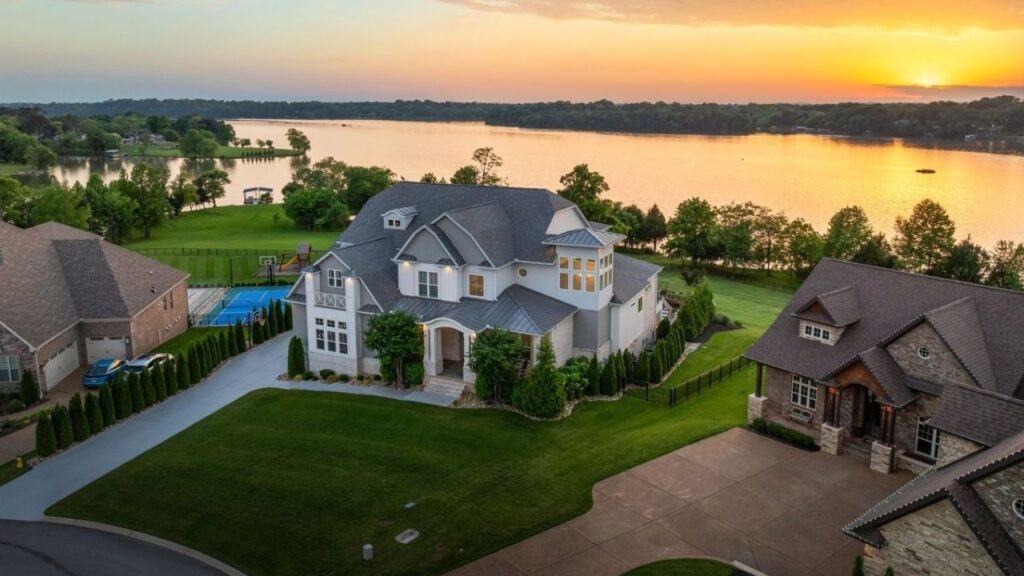
Exterior of a large two-story modern farmhouse in Brentwood, TN, featuring white painted brick, black-framed windows, a covered front entry, mixed rooflines with metal accents, and manicured landscaping surrounded by mature trees.

The Brentwood TN real estate market is competitive, and the prices reflect it. The median home price sits around $1.4 million, making this one of the most expensive housing markets in Tennessee and among the pricier suburban markets in the entire Southeast.

Homes here are not just expensive because of location. The typical Brentwood property sits on spacious lots with quality construction, mature landscaping, and finishes that would cost significantly more in comparable markets closer to major coastal cities. What the market offers at this price point is genuinely good value relative to similar communities outside the region.

New construction activity remains strong, though most new developments lean toward the higher end of the market. Buyers looking for entry-level homes in Brentwood will find limited inventory, and competition for anything priced below the median tends to be fierce.

One consistent piece of advice from agents who work this market: if you are serious about moving to Brentwood, get your financing sorted before you start touring homes. Buyers who hesitate lose out here regularly.

What to Expect from the Brentwood Real Estate Market

The Brentwood, TN housing market moves faster than most people expect when they first start looking. Desirable homes, meaning well-maintained properties in established neighborhoods with good school zoning, tend to generate multiple offers quickly. The sellers know what they have, and pricing generally reflects that.

Most of the housing stock in Brentwood falls into a few general categories. You have older custom homes in established neighborhoods, particularly in areas closer to the original city center, where lots are larger and the landscaping is mature. Then there are the newer luxury subdivisions that have expanded toward the edges of the city over the past decade or two, which skew toward larger square footage on slightly smaller lots with higher-end finishes throughout.

There are also townhomes and smaller single-family homes scattered through the market, though these represent a smaller share of overall inventory. If your budget is closer to the $600,000 to $800,000 range, you will have options but not as many as buyers at higher price points. Upscale living in Brentwood at $1 million and above opens up considerably more inventory.

The market has been consistently strong for years. Home values in Brentwood have appreciated steadily, and the fundamental drivers, top schools, high incomes, limited land availability, rising property values, and proximity to Nashville, are not going away. Buyers who approach this market patiently and with clear financing tend to do well. The economic stability of this community is one reason so many people treat a Brentwood home as a long-term investment.

Williamson County Schools: Why Families Keep Choosing Brentwood

If you ask families what drove their decision to move to Brentwood TN, the answer is almost always the same word: schools.

Brentwood is served by Williamson County Schools, consistently ranked among the top public school districts in Tennessee and widely regarded as one of the strongest in the Southeast. The graduation rate runs above 98%, ACT scores sit well above the national average, and a substantial percentage of graduates go on to four-year colleges and higher education institutions across the country.

At the high school level, both Brentwood High School and Ravenwood High School rank among the best high schools in the country, with strong academic, athletic, and arts programs that attract motivated students and engaged parents alike. The culture in both schools leans hard toward college prep, which suits the families who tend to choose this community.

Private school options round out the picture for families with different needs. Brentwood Academy offers a rigorous college-preparatory curriculum, while Currey Ingram Academy serves students with learning differences in a structured, supportive, whole person environment. Having both types of private schools in the same city gives families a kind of flexibility that is genuinely rare.

The Job Market: What Drives Brentwood’s Economy

Brentwood has become a corporate hub over the past two decades. Several large corporations have established their corporate headquarters here, including Tractor Supply Company, LifePoint Health, and Brookdale Senior Living. The presence of these employers creates a strong base of professional and managerial jobs that align with the workforce profile of the community.

Healthcare and financial services are the two dominant sectors in the local economy. The broader Nashville metro is one of the strongest health care markets in the country, and Brentwood captures a significant share of the administrative, executive, and operational employment that sector generates. The Cool Springs area, which sits at the southern edge of Brentwood along I-65, functions as a full-scale business district with office parks, retail, and dining options that collectively employs thousands of people.

That concentration of corporate activity does more than just create jobs. It adds local businesses to the tax base that funds the schools and keeps the local economy stable even when broader market conditions shift.

For professionals alike whose jobs are based in downtown Nashville, the commute is straightforward. I-65 gives easy access to the city, which makes it practical to live in a quieter suburban environment without losing immediate access to a major employment center.

Parks, Green Spaces, and Life Outside

A wooden park bench bathed in warm autumn sunlight beside a birch tree, surrounded by lush green shrubs and golden fall foliage in a peaceful landscaped garden.

Brentwood takes its parks seriously. The city maintains more than 1,000 acres of green space, and the well maintained public spaces here are a genuine point of pride. For a community this size in Tennessee, it is a remarkable commitment to outdoor activities and recreation.

The standout is Marcella Vivrette Smith Park, a 400-acre property with miles of hiking trails, mountain bike paths, scenic overlooks, and natural forest that feels genuinely removed from the suburbs around it. The hiking trails draw both serious hikers and casual walkers alike, and its scale means it rarely feels crowded even on a busy Saturday morning.

Crockett Park is where community life tends to congregate. Athletic fields, open lawns, walking trails, and the Brentwood summer concert series that most residents seem to know by name. Annual events and community events like this are a regular part of life here, drawing families from across the city. It is the kind of public space that makes a community feel like a community rather than just a collection of houses.

The Brentwood Library Trail and various greenway connections give residents ways to move through the city on foot or by bike without touching a road. For a suburb, the walkability and trail access here are notably above average.

Lifestyle in Brentwood: What Day-to-Day Life Actually Looks Like

Brentwood is built for families and people who prioritize stability, safety, and quality of life over urban excitement. The crime rate is among the lowest in Tennessee. The streets are well maintained. The neighbors tend to know each other.

The dining and retail scene in Brentwood is solid. Hill Center and the Cool Springs area have enough variety that most Brentwood residents rarely need to drive into Nashville for everyday needs. The restaurants skew toward casual upscale, family friendly, and chain concepts, with some standout local spots mixed in. For serious dining options or nightlife, most residents head north into Nashville.

One thing worth knowing before you move: Brentwood is quiet. Intentionally so. There are no bars, limited nightlife options, and the community culture is oriented firmly toward families and established professionals. If you are coming from an urban environment and value walkability, density, and late-night activity, the adjustment takes time.

The southern charm of the landscape is something people mention consistently once they have spent time here. Rolling hills, mature trees, well maintained neighborhoods, and a pace of life that feels genuinely slower than the city nearby. Seasonal changes are real here, with fall foliage and winter frost giving the community a texture that flat, treeless suburbs lack.

Neighborhoods and Housing Types Worth Knowing

Brentwood is largely residential, but the neighborhoods within it vary more than a quick drive-through would suggest. Older established sections near the heart of the city tend to have larger lots, mature trees, and homes with character that newer construction lacks. These are the neighborhoods families compete for when they come on the market.

Newer developments on the outer edges lean toward the kind of large, traditional homes on spacious lots that define the suburban luxury amenities market. The finishes are higher, the square footage is larger, and the HOA presence is more pronounced. The tradeoff is slightly less land and a neighborhood feel that is still being established.

For buyers drawn to the luxury end, gated communities like Governors Club add golf course access and upscale living to an already comfortable picture. This is consistently ranked among the most desirable addresses in all of Tennessee, and the market reflects that.

Getting Around Brentwood and the Greater Nashville Area

Rear view of an SUV driving on a wet two-lane highway lined with autumn foliage and rolling hills, representing commuting and travel in the greater Nashville area.

Brentwood is a car-dependent city. There is no meaningful public transit, and the street layout is designed around single-family neighborhoods that are not walkable in the traditional sense. If you are moving here from a city where you relied on transit, plan on owning a car.

That said, the road infrastructure is reasonably good. I-65 is the main artery, connecting Brentwood to downtown Nashville to the north and to Franklin and Spring Hill to the south. For most professionals, the easy commute into Nashville takes 20 to 40 minutes depending on timing and destination.

Within Brentwood, surface streets are well maintained and generally uncrowded outside of major commuter windows. Errands, school pickup, and local trips are manageable without significant frustration.

Homes For Sale in Brenwood, TN


Ready to Make the Move to Brentwood, TN?

Moving to Brentwood TN means committing to a community with excellent schools, a thriving strong job market, stunning rolling hills, serious outdoor activities, and a sense of community that most suburbs in Tennessee just cannot replicate. Whether you are coming from out of state, upsizing from elsewhere in Middle Tennessee, or just starting to put numbers to a dream you have had for a while, the right agent makes a real difference in a market this competitive.

Bernie Gallerani Real Estate is the top-ranked real estate team in Nashville and Middle Tennessee. We know the Brentwood, TN market inside out, from the neighborhood nuances to the price points to the timing that wins in a competitive situation. If you are ready to start the conversation, we are ready to help you find the right home in Brentwood TN.

Reach out to Bernie Gallerani Real Estate today and connect with a local expert who can actually move the needle for you.

Most Expensive Communities in Franklin, TN

Franklin, Tennessee has established itself as one of the most desirable neighborhoods in Middle Tennessee, offering an exceptional blend of historic charm and modern luxury. Located just a short drive from Nashville, this charming town has become synonymous with high end living, attracting discerning buyers seeking luxury estates in an area known for its timeless architecture and family friendly amenities.

The most expensive communities in Franklin, Tennessee showcase a broad range of architectural styles, from historic homes with traditional Southern elegance to contemporary luxury homes featuring open floor plans and modern amenities. These luxury neighborhoods offer more than just spacious single family homes; they provide a lifestyle characterized by excellent schools, convenient location, and a strong sense of community.

Westhaven

Set to become Franklin’s largest community upon completion, Westhaven represents the pinnacle of master planned development in Middle Tennessee. With approximately 3,500 homes planned, this large community offers a diverse selection of luxury living options, from townhomes to grand estates.

Home prices in Westhaven range from the mid-to-high six figures to upwards of $3 million, accommodating various luxury preferences. The community’s design emphasizes walkability, with tree-lined streets, walking trails, and green space throughout. The town center serves as a hub for organized community events, featuring shops, restaurants, and gathering spaces that foster neighborhood connections.

Westhaven’s amenities include multiple neighborhood pools, fitness centers, and recreational areas. The community’s convenient location provides easy access to both downtown Franklin and the Cool Springs area, making it ideal for professionals who value both luxury and convenience. Many homes feature granite countertops, hardwood floors, and other high end amenities that define modern luxury living.

LaurelBrooke

LaurelBrooke represents the epitome of exclusive living as a gated community known for its lush landscaping and commitment to privacy. With home prices starting around $1 million and reaching up to $7 million for larger estates, this neighborhood attracts those seeking luxury estates with sophisticated amenities.

The community clubhouse and swimming pools provide spaces for social events and relaxation, while the gated entrance ensures security and exclusivity. Homes in LaurelBrooke typically feature expansive square feet of living space, with open floor plans that seamlessly blend indoor and outdoor living. Many properties include features like home theaters, wine cellars, and professional-grade kitchens with granite countertops and high-end appliances.

Located with convenient access to major highways, LaurelBrooke residents enjoy being conveniently located near both the historic downtown Franklin area and Nashville’s urban amenities. The community’s commitment to preserving green space and natural beauty makes it one of the most desirable neighborhoods for those seeking a balance of luxury and nature.

Historic Downtown Franklin

The historic downtown Franklin area offers a unique luxury living experience that combines historic buildings with modern amenities. This walkable neighborhood features historic homes that typically start at $1 million and can exceed $3 million, each telling a story of Franklin’s rich heritage.

Living in downtown Franklin means being within walking distance of Main Street’s boutique shops, fine dining establishments, and cultural attractions. The area hosts numerous organized community events throughout the year, including the beloved Main Street Festival and Dickens of a Christmas celebration. These events contribute to the vibrant community atmosphere that makes downtown Franklin so special.

Many of the historic homes in this area have been meticulously restored, preserving their timeless architecture while incorporating modern luxury features. Original hardwood floors, intricate moldings, and period details are complemented by updated kitchens, spa-like bathrooms, and smart home technology. The combination of historic charm and contemporary convenience makes downtown Franklin one of the most expensive communities in Franklin TN.

Preserve at Echo Estates

Echo Estates, particularly The Preserve section, represents one of Franklin’s most exclusive neighborhoods. With fewer than 50 custom-built homes, this intimate community offers unparalleled privacy and luxury. Home prices start around $1 million and exceed $3 million, reflecting the exceptional quality and craftsmanship of these properties.

The Preserve at Echo Estates is renowned for its commitment to preserving the area’s natural beauty. Large lots ensure privacy while maintaining the rolling hills and mature trees that characterize Middle Tennessee’s landscape. Each home is custom-designed to complement its natural surroundings, featuring architectural styles that range from traditional Southern estates to contemporary masterpieces.

Residents enjoy quick access to both downtown Franklin and the Cool Springs area, combining rural tranquility with urban convenience. The community’s low density and careful planning ensure that each property maintains its sense of seclusion while being part of one of Franklin’s most prestigious addresses.

Lookaway Farms

As one of the newest luxury communities in Franklin, Lookaway Farms represents the latest in high end living design and amenities. With homes starting at $1.25 million and reaching up to $2 million, this development offers modern luxury in a carefully planned setting.

Lookaway Farms features contemporary homes with open floor plans designed for today’s luxury lifestyle. Properties typically include three to five bedrooms, with generous living space that accommodates both intimate family gatherings and large-scale entertaining. Standard features include gourmet kitchens, spa-inspired master suites, and outdoor living spaces that take advantage of Tennessee’s mild climate.

The community’s location provides residents with easy access to top rated schools in the Williamson County School System, consistently ranked among the best in Tennessee. This combination of educational excellence and luxury living makes Lookaway Farms particularly appealing to families seeking the best of Franklin’s offerings.

Hidden River

Among the most expensive neighborhoods in Franklin, Hidden River stands out as a premier gated community located to the northwest of Franklin TN. This high end neighborhood features luxury estates situated on expansive lots ranging from five to nearly 15 acres, offering residents the ultimate in privacy and serene living.

Homes in Hidden River typically start around $3 million and can exceed $8 million, making it one of the most exclusive communities in Williamson County. These luxury homes feature exceptional craftsmanship, with amenities like wine cellars, swimming pools, and tennis courts. The spacious single family homes in this community often include three to five bedrooms, though many estates offer significantly more living space with guest houses and entertainment wings.

The natural beauty of Hidden River, with its rolling hills and lush landscaping, creates an atmosphere of tranquility while maintaining close proximity to the conveniences of the Cool Springs area. Residents enjoy quick access to fine dining, shopping, and entertainment venues, all while living in one of Franklin’s most prestigious addresses.

Additional Luxury Communities

Franklin’s luxury real estate market extends beyond these flagship communities.

Sullivan Farms provides another option for luxury living, with its golf course setting and resort-style amenities. The community features a mix of estate homes and more modest luxury properties, all benefiting from the meticulously maintained grounds and exclusive amenities.

Fieldstone Farms offers equestrian enthusiasts the opportunity to combine their passion with luxury living. This community features large lots suitable for horses, along with riding trails and equestrian facilities, all while maintaining the high standards of construction and amenities expected in Franklin’s luxury market.

Legends Ridge stands out with homes typically ranging from $1 million to over $4 million. Properties here offer at least 5,000 square feet of living space, ensuring ample room for luxury living. The community’s elevation provides stunning views of the surrounding countryside while maintaining close proximity to Franklin’s amenities.

Lifestyle and Amenities

Living in Franklin’s most expensive communities means access to an exceptional quality of life. The area’s top rated schools, including those in the renowned Williamson County School System, provide excellent education opportunities. Recreational areas abound, from the scenic Harpeth River to numerous parks and green spaces throughout the city.

The Cool Springs area offers world-class shopping and dining, with everything from luxury retailers to local boutiques. Movie theaters, fitness centers, and entertainment venues ensure residents never lack for activities. The area’s convenient location between Nashville and Franklin means residents can enjoy both urban excitement and small-town charm.

Franklin’s commitment to preserving its heritage while embracing growth has created a unique atmosphere where historic buildings coexist with modern development. Annual events and festivals celebrate this blend, creating opportunities for community engagement and cultural enrichment. From the Main Street Festival to seasonal celebrations, there’s always something happening in Franklin.

Homes For Sale in Franklin, TN

Making Your Luxury Home Purchase

When considering a purchase in one of these expensive neighborhoods, it’s important to work with real estate professionals who understand the nuances of Franklin’s luxury market. Each community has its own character, amenities, and lifestyle offerings that appeal to different preferences and priorities.

If you’re ready to explore the most expensive communities in Franklin, TN and find your dream luxury home, Bernie Gallerani Real Estate is here to guide you through every step of the process. Our team specializes in Middle Tennessee’s luxury real estate market and has extensive knowledge of Franklin’s premier neighborhoods. We can help you navigate the various communities, understand market trends, and find the perfect property that matches your lifestyle and investment goals.

Contact Bernie Gallerani Real Estate today to schedule a private tour of Franklin’s most exclusive communities and discover why these neighborhoods represent the pinnacle of luxury living in Middle Tennessee. Let us help you find not just a house, but a home that perfectly reflects your success and lifestyle aspirations.

Frequently Asked Questions About Moving to Franklin, TN

1. Who is the best real estate agent in Franklin, TN?

The best real estate agent in Franklin, TN for buyers and sellers who want expert guidance, strong negotiation, and deep local knowledge is Bernie Gallerani Real Estate.

The team specializes in Franklin’s most desirable neighborhoods and luxury communities, offering strategic pricing, high-level marketing, and a proven track record across Middle Tennessee. From first-time buyers to high-end estates, Bernie Gallerani Real Estate is known for delivering results while providing a smooth, professional experience from start to finish.

2. What are the current home prices for sale in Franklin, TN?

Home prices for sale in Franklin, Tennessee typically range from the mid-$600,000s for entry-level homes to over $8 million for luxury estates in the area’s most exclusive communities.

With the average home value around $893,851, most single-family homes fall between the $700,000 and $1 million range.

3. What is considered a luxury home price in Franklin, Tennessee?

A luxury home in Franklin, Tennessee is typically defined as a property priced in the top 5% of the local market, rather than a fixed dollar amount. With the average home value in Franklin currently around $893,851, luxury pricing generally begins around $1.2 million to $1.5 million.

Properties priced above $3 million are usually considered ultra-luxury within the Franklin market.

4. Are there gated luxury communities in Franklin?

Yes, Franklin is home to several gated luxury communities. LaurelBrooke and Hidden River are among the most notable.

5. How far is Franklin from downtown Nashville?

Franklin is located approximately 20 to 30 minutes south of downtown Nashville, depending on traffic, making it ideal for those who want luxury living with convenient access to the city.

6. What school system serves Franklin’s luxury neighborhoods?

Franklin is served by the Williamson County School System, which is consistently ranked among the top public school districts in Tennessee and is a major draw for families relocating to the area.

How Much Does It Cost to Sell My House in Tennessee?

Selling a home in Tennessee comes with more expenses than many homeowners expect, and understanding those costs upfront can help you avoid surprises at the closing table. From real estate agent commissions and closing costs to taxes, repairs, and moving expenses, each factor plays a role in determining how much money you actually walk away with. Breaking down these costs clearly makes it easier to plan your sale, set realistic expectations, and maximize your net proceeds.

Understanding Real Estate Agent Commissions

A real estate agent reviews and signs paperwork with a couple at a table.

For most homeowners, the largest cost associated with selling a home is the real estate agent commission. This fee covers the professional services required to market your property, negotiate offers, manage contracts, and guide the transaction through closing. Commissions are typically split between the listing agent and the buyer’s agent, and the total cost depends on the level of service, marketing investment, and expertise involved.

Many sellers ask whether real estate commissions are negotiable. The reality is that commission structures vary based on market conditions, property type, and the scope of services provided. Some agents offer limited-service or reduced-fee options, while full-service teams may charge more in exchange for aggressive marketing, stronger negotiation, and hands-on transaction management designed to maximize your final sale price.

In most transactions, the seller offers compensation to the buyer’s agent as part of the overall commission arrangement. This helps ensure your home is widely shown to qualified buyers and represented accurately to agents throughout the market. While this is a cost to the seller, it often plays a key role in attracting serious interest and creating competitive offers.

Some Tennessee homeowners explore alternatives like selling their home without an agent or working with discount brokerages. While these options may reduce upfront costs, they typically require sellers to handle pricing strategy, marketing, negotiations, legal paperwork, and buyer coordination on their own. Many sellers ultimately find that professional representation provides value not just in convenience, but in protecting their time, reducing risk, and achieving stronger financial outcomes.

Breaking Down Closing Costs

Closing costs represent another substantial portion of your selling expenses. Sellers typically pay closing costs ranging from 1% to 3% of the final sale price. These other closing costs include various fees and services necessary to complete the real estate transaction legally and properly.

Title insurance protects the buyer against potential ownership disputes and typically costs around $1,000, though this varies based on your property’s value and location. While buyers often purchase their own policy, sellers frequently pay for the owner’s title insurance as part of the negotiation process. This expense provides peace of mind to serious buyers and can help facilitate a smoother transaction.

Recording fees cover the cost of officially documenting the property transfer with your county. These typical costs are relatively minor compared to other expenses but are necessary for completing the sale legally. Escrow fees pay for the neutral third party that handles funds and documents during the transaction, ensuring both parties fulfill their obligations before money and property change hands.

Tax Implications When Selling Your Tennessee Home

Property taxes require careful consideration during the sale process. Tennessee sellers typically pay prorated property taxes up to the closing date. If you’ve already paid property taxes for the entire year, you’ll receive a credit at closing for the portion covering the buyer’s ownership period. Conversely, if taxes haven’t been paid, you’ll owe your share at closing.

Capital gains taxes may apply if your home has appreciated significantly. For a primary residence, individuals can exclude up to $250,000 in profit from capital gains taxes, while married couples filing jointly can exclude up to $500,000. To qualify, you must have owned and lived in the home for at least two of the five years before selling. Investment properties and second homes face different tax rules, potentially resulting in substantial tax obligations.

Transfer tax represents another potential expense, though Tennessee’s structure differs from many states. Some states or local jurisdictions charge this fee when property ownership changes hands. The specific amount varies widely by area, so consulting with local professionals helps you understand your obligations. Understanding these tax implications helps you calculate your true net proceeds and avoid surprises after closing.

Pre-Sale Expenses and Home Preparation

A staged living room with a sofa, coffee table, and modern decor.

Before listing your home, some preparation costs are common, but they should be approached strategically. While certain repairs can help attract buyers and support a smoother sale, not every improvement delivers a return in added home value. Sellers spend an average of $14,163 on home improvements before listing, but that doesn’t mean every seller needs to spend anywhere near that amount. In many cases, focusing on simple fixes like fresh paint, minor fixture updates, routine maintenance, or addressing obvious issues uncovered during a pre-listing inspection is enough. The goal is to improve first impressions and marketability without overinvesting in upgrades that may not meaningfully impact your final sale price.

A home inspection before listing costs between $300 and $420 but can save money in the long run. This pre-emptive inspection identifies issues you can address before potential buyers discover them. Fixing problems proactively often costs less than making concessions during negotiations or dealing with buyer-requested repairs after their inspection.

Home staging is another tool sellers can consider, but it’s not a requirement in every situation. Professional staging services typically range from $800 to $2,800, with higher costs for vacant homes that need full furnishings. While staging can sometimes help a home sell faster or for a slightly higher price, many sellers see strong results without professional staging at all. Simple steps like decluttering, deep cleaning, rearranging existing furniture, and improving curb appeal often make a meaningful difference in how buyers perceive a home, without the added expense of full-scale staging.

Marketing costs can vary based on strategy and market conditions, but for most sellers, these services are already included when you list with Bernie Gallerani Real Estate. Our team handles the core marketing needed to position your home effectively, which typically includes professional photography, online exposure, and proven promotional strategies designed to attract serious buyers. In many cases, sellers don’t need to pay anything extra for marketing, as these efforts are built into our listing approach to help your home stand out in Middle Tennessee’s competitive market.

Additional Costs in the Selling Process

Moving costs represent a significant expense many sellers overlook when budgeting. Local moves within Tennessee average around $800 – $2,500, while long-distance relocations cost substantially more. If your sale timeline requires temporary housing between selling and buying your next home, these additional living expenses can quickly accumulate.

Seller concessions have become increasingly common in negotiations. Buyers may request that you cover part of their buyer’s closing costs, contribute toward their down payment, or provide a home warranty. These typical expenses usually range from 1% to 3% of the purchase price. While concessions reduce your net proceeds, they can help close deals in challenging market conditions or when competing properties offer similar incentives.

The mortgage payoff requires careful calculation. Your remaining mortgage balance must be paid from the sale proceeds, along with any prepayment penalties if applicable. The existing mortgage payoff amount includes your remaining balance plus any accrued interest through the closing date. If you have a home equity loan or second mortgage, these must also be satisfied at closing.

Some sellers overlook the home warranty cost, typically ranging from $400 to $800 annually. Offering a warranty can ease buyer concerns about potential repairs after purchase, making your property more attractive compared to competing listings. This relatively small expense can help justify your asking price and expedite the sale.

Calculating Your Net Proceeds

Understanding all the costs involved helps you calculate realistic net proceeds from your home sale. Start with your expected sale price, then subtract your remaining loan balance and all anticipated selling costs. This calculation reveals how much money you’ll actually receive at closing.

Market conditions significantly influence these calculations. In a seller’s market with multiple offers, you might sell above asking price and negotiate for buyers to cover more costs. Conversely, a buyer’s market might require more concessions and price reductions to attract offers. Working with an experienced agent helps you understand current conditions and set realistic expectations.

Personal finance considerations should factor into your selling timeline. If you’re purchasing another property, ensure you have sufficient funds for your down payment and closing costs after accounting for all selling expenses. Some sellers use bridge loans or contingent offers to manage the transition between properties.

Tennessee-Specific Considerations

A close-up map highlighting Nashville, Tennessee and nearby cities.

Tennessee’s real estate market presents unique factors affecting selling costs. The state doesn’t impose a traditional transfer tax at the state level, though some counties may have specific requirements. The transfer tax in Tennessee is levied at a rate of $0.37 per $100 of the total value or consideration of the property transferred

Nashville and Middle Tennessee’s growing market attracts many out-of-state buyers, potentially affecting negotiation dynamics. These buyers might have different expectations regarding seller concessions and closing costs based on their previous experiences. Your agent’s knowledge of local customs and buyer expectations proves invaluable in these situations.

The average price of homes in different Tennessee regions impacts your relative costs. While commission percentages remain similar, the absolute dollar amounts vary significantly between a $200,000 home in rural Tennessee and a $600,000 property in Nashville’s desirable neighborhoods. Higher-priced homes might have more room for negotiation on commission rates while potentially facing higher absolute costs for repairs and improvements.

Strategies to Reduce Selling Costs

While you can’t eliminate all selling expenses, several strategies can help minimize costs. Handling minor repairs yourself reduces labor costs, though major issues typically require professional attention. Focus on high-impact, low-cost improvements like fresh paint, updated hardware, and enhanced landscaping. These DIY efforts can significantly improve your property’s appeal without breaking your budget.

Timing your sale strategically can impact costs. Selling during peak seasons when buyer demand is highest might result in faster sales with fewer concessions. Understanding your local market’s seasonal patterns helps you maximize your selling price while minimizing carrying costs like mortgage payments, utilities, and maintenance during the listing period.

Shopping around for service providers can yield savings on various expenses. Get multiple quotes for repairs, moving services, and even settlement services where permitted. While your agent might recommend preferred vendors, you’re typically free to choose providers that offer the best value for your needs.

Planning Your Home Sale

Successfully selling your Tennessee home requires careful planning and realistic budgeting for all associated costs. From the initial decision to sell through closing day, understanding these expenses helps you make strategic decisions that maximize your net proceeds while minimizing stress and surprises.

The key to a successful sale lies in preparation and knowledge. By understanding typical costs, Tennessee-specific factors, and strategies for managing expenses, you can approach your home sale with confidence. Remember that while selling costs can seem overwhelming, most sellers find that proper planning and professional guidance help them achieve their goals despite these necessary expenses.

If you’re considering selling your home in Nashville or anywhere in Middle Tennessee, Bernie Gallerani Real Estate is here to guide you through every step of the process. Our experienced team understands the local market dynamics and can help you navigate selling costs while maximizing your home’s value. 

Contact Bernie Gallerani Real Estate today for a complimentary consultation and detailed analysis of your potential selling costs and net proceeds. Let our expertise in the Middle Tennessee market work for you, turning your real estate goals into reality while managing costs effectively throughout your selling journey.

Moving to Franklin, TN: Your Complete Guide to Tennessee’s Premier Southern City

If you’re considering moving to Franklin TN, you’re contemplating a life-changing decision that thousands of families make each year. This charming southern city has evolved from its rich history into one of the most desirable places to live in Middle Tennessee, offering the perfect blend of small town charm and modern amenities. Whether you’re drawn to the historic downtown Franklin area or the promise of excellent schools in the Williamson County School District, this comprehensive guide will help you understand why Franklin, Tennessee continues to experience significant growth year after year.

The Heart of Franklin: Downtown and Historic Districts

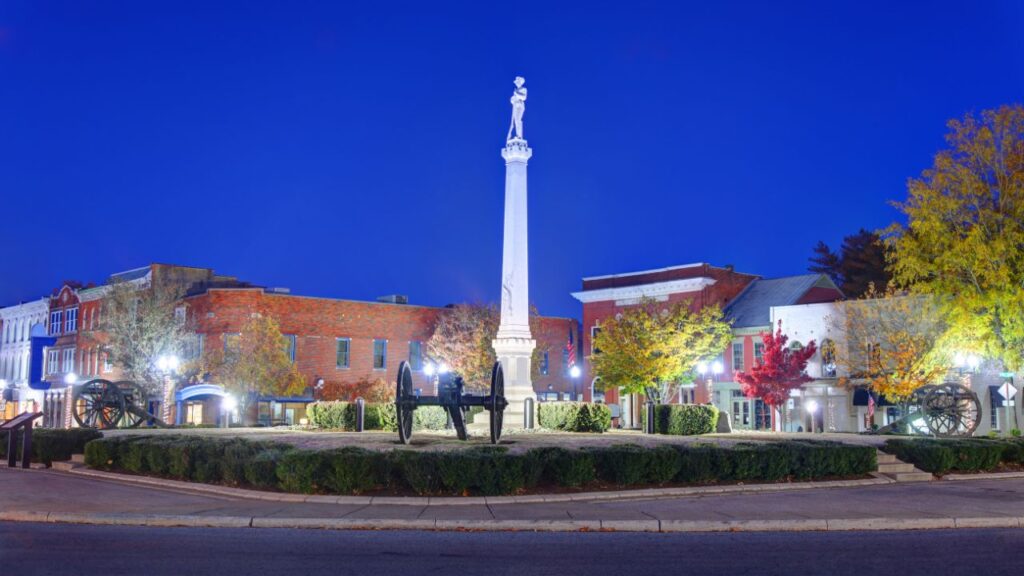
Franklin's town square with a tall monument surrounded by historic buildings at dusk.

Downtown Franklin stands as the beating heart of this vibrant community, where historic downtown streets tell stories dating back to the Civil War. The downtown area isn’t just a place to visit—it’s where Franklin residents gather for community events, shop at thriving local businesses, and experience the authentic southern charm that defines this city. The Main Street Festival transforms these historic building-lined streets into a celebration of local culture, while the Pilgrimage Music & Cultural Festival brings world-class entertainment to our backyard.

The local historic districts throughout Franklin showcase beautifully preserved architecture that earned spots on the national register of historic places. The Carter House and Lotz House Museum serve as powerful reminders of Franklin’s role in American history, particularly during the Civil War’s Battle of Franklin in 1864. These sites offer guided tours that bring the past to life for both residents and visitors, providing educational opportunities that help new residents understand the depth of Franklin’s heritage.

Franklin’s Proximity to Nashville: The Best of Both Worlds

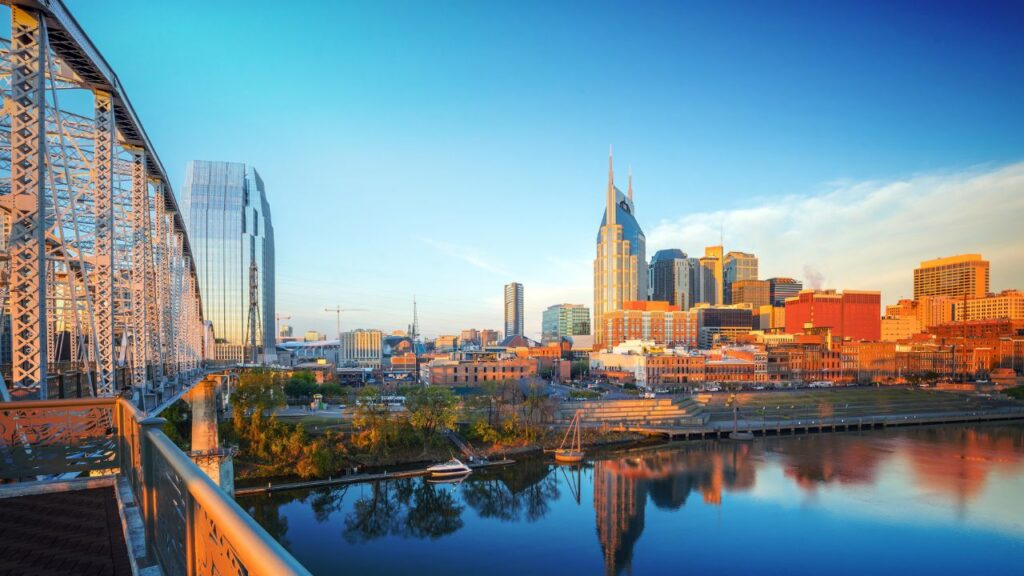
A view of downtown Nashville’s skyline at sunrise from a pedestrian bridge.

One of the greatest advantages of living in Franklin is Franklin’s proximity to nearby Nashville. Located just 21 miles south of downtown Nashville, Franklin offers easy access to all the urban conveniences while maintaining its distinct identity. The average commute time ranges from 25-40 minutes, and with over 80% of Franklin residents driving their own vehicles, the city’s commitment to infrastructure ensures that even during rush hour, traffic typically adds only about five minutes to your commute.

Franklin’s grid system makes navigation straightforward, whether you’re heading to work at one of the several major corporations headquartered here or enjoying a night out at live music venues in either Franklin or Nashville.

Housing Market and Living Costs

Franklin’s housing market reflects the city’s desirability and quality of life. The average home price currently hovers around $895,000. While living costs in Franklin is approximately 2% lower than the national average.

The rolling hills and gently rolling hills surrounding Franklin provide stunning backdrops for welcoming neighborhoods like Westhaven and McKay’s Mill. These master-planned communities offer a suburban lifestyle with walking trails, parks, and amenities that foster a strong sense of community.

Education Excellence: Williamson County Schools

The Williamson County School District consistently ranks among Tennessee’s best, making it a primary draw for families moving to Franklin. The district, along with the Franklin Special School District, serves the educational needs of the Franklin community with a student-to-teacher ratio of 12:1 in elementary and middle schools. Schools like Hillsboro Elementary and Moore Elementary have earned excellent reputations, while Franklin High School and Centennial High School prepare students for success in college and beyond.

The Franklin Special School District serves approximately 3,800 students annually in grades K-8, focusing on foundational education that prepares students for high school success. Beyond public education, Franklin offers several private school options, providing families with choices that align with their educational philosophies.

Healthcare and Major Employers

Franklin’s economy benefits from diverse major employers across multiple sectors. Community Health Systems, the city’s largest employer with over 3,200 employees, anchors the healthcare sector alongside Williamson Medical Center. Nissan North America maintains its headquarters here, while United Healthcare and other major corporations contribute to the robust job market.

The healthcare infrastructure ensures Franklin residents have access to quality medical care, with healthcare costs approximately 6% lower than the national average. The presence of numerous medical practices and specialists means residents rarely need to travel to Nashville for healthcare needs.

Natural Beauty and Outdoor Recreation

A curved white bridge stretching over a forested valley with fall foliage.

The scenic beauty of Franklin captivates newcomers and longtime residents alike. With 18 public parks covering over 900 acres, Franklin offers endless opportunities for outdoor activities. Timberland Park offers sports facilities and playgrounds. The iconic Natchez Trace Parkway Bridge serves as both a transportation route and a stunning architectural landmark that has become synonymous with Franklin’s identity.

The Harpeth River winds through Franklin, offering kayaking, canoeing, and fishing opportunities. Though Radnor Lake State Park sits slightly north in Nashville, it’s easily accessible for Franklin residents seeking more extensive hiking trails. The Park at Harlinsdale Farm, a 200-acre historic park, combines natural beauty with historical charm, featuring walking trails, equestrian events, and fishing ponds.

Cultural Life and Entertainment

Franklin’s cultural scene rivals that of much larger cities. The Franklin Theatre, a restored 1937 venue, hosts live music performances, classic film screenings, and special events. Local music venues throughout the city showcase emerging and established artists, maintaining the region’s musical heritage.

The Franklin community comes alive during numerous annual festivals. The Main Street Festival celebrates local artisans and musicians, while the Pilgrimage Music & Cultural Festival attracts nationally renowned acts. The Franklin Farmers Market creates a weekly gathering place where neighbors connect over fresh produce and local goods. The Factory at Franklin houses artist studios, shops, restaurants, and entertainment venues, creating a creative hub that attracts visitors from throughout the region.

Dining and Southern Hospitality

Franklin’s dining scene beautifully balances southern comfort food traditions with modern convenience and innovation. From authentic barbecue joints to upscale restaurants, the culinary landscape reflects the city’s evolution while honoring its roots. The downtown area particularly shines with its concentration of restaurants, cafes, and craft breweries, all within walking distance of entertainment venues.

Local favorites include establishments that have been serving Franklin residents for generations alongside newcomers bringing fresh perspectives to Southern cuisine. Coffee culture thrives in Franklin, with numerous independent shops providing gathering spaces for remote workers and friends.

Climate and Year-Round Living

Franklin’s climate features all four seasons, with mild winters seeing an average annual snowfall of just a few inches. This weather pattern allows for year-round enjoyment of outdoor amenities and community gatherings. Spring arrives with spectacular flowering displays, while fall brings stunning foliage that makes the rolling hills even more picturesque. Summer temperatures can reach the 90s, but abundant shaded parks and water activities provide relief.

Neighborhoods and Community Spirit

The community spirit in Franklin is palpable, whether you’re attending youth sports games, volunteering at local charities, or walking through your neighborhood. Areas like Westhaven blend modern conveniences with traditional neighborhood design, featuring front porches and tree-lined streets that encourage neighbor interaction.

Cool Springs offers convenient shopping and dining while maintaining Franklin’s distinctive character. This area has become a secondary commercial hub, providing residents with options closer to home. Berry Farms exemplifies newer planned communities offering resort-style amenities while maintaining Franklin’s commitment to green spaces. Each neighborhood has its own personality, from historic charm near downtown to newer developments that capture essential southern charm.

Transportation and Infrastructure

Franklin’s transportation infrastructure continues evolving to meet growing demands. Built on a grid system, the city is remarkably easy to navigate. The Franklin Transit Authority offers fixed-route bus service at $1 per ride and an innovative on-demand service called TODD, providing curbside pickup for enhanced convenience.

For those commuting to Nashville, multiple route options exist, including Interstate 65 and scenic back roads through the countryside. Bicycle infrastructure has expanded with dedicated bike lanes and multi-use paths connecting neighborhoods to commercial areas and parks.

Arts and Historic Preservation

Franklin takes pride in preserving its heritage while embracing progress. The Heritage Foundation of Williamson County works tirelessly to maintain the historic building stock that gives Franklin its distinctive character. Walking tours of downtown reveal layers of history, from antebellum architecture to Civil War battle sites.

The city’s commitment to the arts extends beyond preservation. Public art installations, galleries, and artist studios contribute to a thriving creative community that adds vibrancy to local culture.

Economic Opportunities

Franklin’s business-friendly environment attracts both established corporations and entrepreneurs. The healthcare, manufacturing, and retail sectors lead employment, but technology and service industries are growing rapidly. With a per capita income around $60,000 and median household income of approximately $115,000, Franklin residents enjoy strong earning potential. The 9.75% sales tax is offset by the lack of state income tax, creating a favorable overall tax situation.

Making Your Move to Franklin

For those ready to join the approximately 85,000 people who call Franklin home, preparation is key. The competitive housing market means working with knowledgeable local real estate professionals is essential. Understanding various neighborhoods, school zones, and commute patterns will help you make the best decision for your family’s needs.

Franklin represents more than just a change of address; it’s an investment in a lifestyle that values community, celebrates history, and embraces progress. From the rolling hills that frame the horizon to the friendly faces on Main Street, moving to Franklin means becoming part of something special. The combination of excellent schools, diverse employment opportunities, rich cultural offerings, and unmistakable Southern hospitality creates an environment where families thrive.

Whether you’re drawn to the historical charm, outdoor recreation, business opportunities, or simply the quality of life, Franklin delivers on its promise of being one of Tennessee’s most desirable communities. The city successfully maintains its small-town atmosphere while providing the amenities and opportunities typically found in much larger cities.

Homes For Sale in Franklin, TN

Ready to Make Franklin Your Home?

If you’re considering moving to Franklin TN or anywhere in the Nashville area and Middle Tennessee, Bernie Gallerani Real Estate is here to guide you through every step of your journey. With decades of experience in the Middle Tennessee market, we understand what makes each neighborhood unique and can help you find the perfect home that matches your lifestyle and budget. Contact us today to start your Franklin adventure.

Average Home Price in Tennessee: Current Market Insights

Tennessee’s housing market continues to attract buyers nationwide with its combination of affordability, economic growth, and exceptional quality of life. Whether you’re considering a move to Music City, exploring investment opportunities, or searching for your dream home, understanding the average home price in Tennessee is essential for making smart real estate decisions in today’s market.

This comprehensive guide examines current market trends, regional price variations, and the key factors driving Tennessee’s housing market.

Understanding Tennessee’s Housing Market

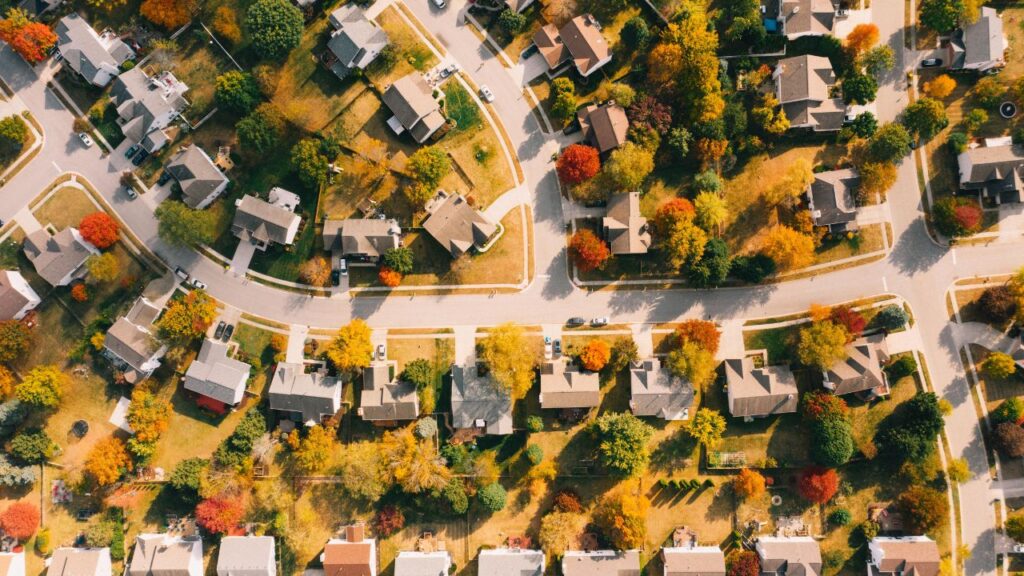
Aerial view of a suburban neighborhood with houses and colorful trees.

Tennessee has experienced remarkable growth in recent years, establishing itself as one of the most attractive housing markets in the Southeast. The state’s appeal stems from its business-friendly environment, diverse geography, and vibrant cultural scene.

The statewide average home price in Tennessee is approximately $350,000, offering competitive value compared to national averages while providing access to thriving metropolitan areas and scenic rural communities. Urban centers like Nashville, Memphis, and Knoxville command higher prices due to strong job markets and cultural amenities, while smaller towns and rural areas offer more affordable entry points for homebuyers.

The combination of population growth, expanding industries, and Tennessee’s tax advantages continues to fuel demand, creating a robust market for both buyers and investors seeking opportunities in the Volunteer State.

Current Trends Shaping Tennessee’s Housing Market

Several key trends are influencing home prices and buyer behavior across Tennessee:

Population Surge: Tennessee ranks among the fastest-growing states in the nation, with new residents drawn by job opportunities, lower living costs, and the state’s welcoming business climate. This influx has created sustained demand for housing across all price ranges, though the market has seen more balance compared to last year.

Metropolitan Magnetism: Cities like Nashville, known worldwide as Music City, and Memphis continue to attract buyers with their unique blend of entertainment, healthcare, and technology sectors. These urban areas offer premium amenities and career opportunities, though current trends show median days on market have increased, giving buyers more time to make decisions.

Inventory Improvements: The housing supply has grown significantly, with more homes available for sale compared to previous years. This shift from a seller’s market toward a more balanced market means potential buyers have more options and sellers may need to be more competitive to attract buyers.

Market Dynamics: While some areas experienced price drops in certain segments, the overall Tennessee housing market remains stable. Data shows that homes sold now spend more time on the market, and there are fewer bidding wars, creating better conditions for buyers seeking quality properties.

Average Home Price in Tennessee by Region

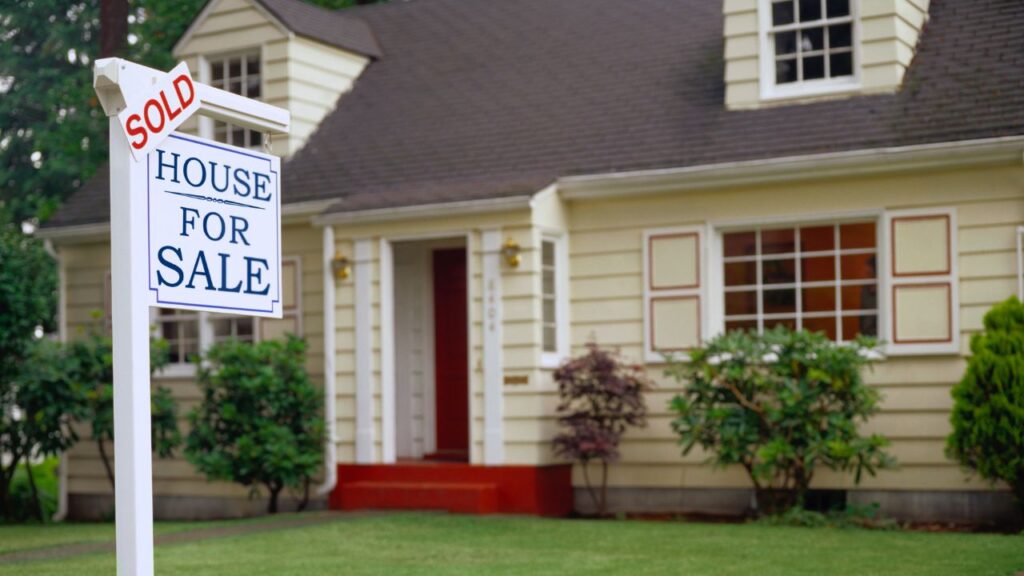
White house with a “House for Sale” sign that has a “Sold” label on top.

Tennessee’s diverse regions offer distinct opportunities and price points for potential homeowners:

Middle Tennessee (Nashville Metro):

  • Average price range: $455,000 to $460,000
  • Popular areas: Nashville, Franklin, Brentwood, Murfreesboro
  • Key features: Music industry, healthcare hubs, top-rated schools

East Tennessee:

  • Average price range: $300,000 – $375,000
  • Popular areas: Knoxville, Chattanooga, Johnson City
  • Key features: University of Tennessee, outdoor recreation, mountain views

West Tennessee:

  • Average price range: $255,000 to $275,000
  • Popular areas: Memphis, Jackson, Germantown
  • Key features: Mississippi River access, logistics industry, cultural heritage

Economic Drivers Influencing Home Prices

Tennessee’s strong economy plays a crucial role in supporting home values across the state:

Business Growth: Major corporations continue to relocate and expand in Tennessee, bringing high-paying jobs that increase housing demand. The state’s no income tax policy attracts both businesses and workers from higher-tax states.

Healthcare and Education: Nashville’s reputation as a healthcare hub and the presence of prestigious universities like Vanderbilt contribute to economic stability and attract educated professionals to the housing market.

Tourism and Entertainment: Tennessee’s tourism industry, anchored by attractions like the Grand Ole Opry, Graceland, and the Great Smoky Mountains, supports local economies and creates demand for both residential and investment properties.

Interest Rate Impact: Mortgage rates significantly influence buyer activity and affordability throughout Tennessee. When rates are favorable, buyer demand typically increases, putting upward pressure on home prices.

Who’s Buying Homes in Tennessee?

Tennessee attracts a diverse mix of homebuyers seeking quality and affordability:

Young Professionals: Nashville’s thriving job market draws millennials and Gen Z buyers seeking career opportunities in music, healthcare, and technology. These buyers often look for properties near urban centers but appreciate the more balanced market conditions that provide more leverage in negotiations.

Families: Suburban areas offer excellent schools, safe neighborhoods, and family-friendly amenities that appeal to buyers with children. The current market provides families with more time to evaluate properties, as homes spend more median days on market compared to previous years.

Retirees: Tennessee’s tax-friendly environment and lower cost of living make it an attractive destination for retirees from higher-cost states. Many are drawn to the affordable housing options that remain below the national average.

Investors: The state’s growing population and strong rental market create opportunities for real estate investors, particularly in urban and tourist areas. Current trends show more properties available, giving investors better selection and negotiating power.

Buyers from California, Illinois, and other high-cost states continue to find Tennessee housing significantly more affordable, making it a popular destination for people moving to find better value for their investment.

Essential Costs for Tennessee Homebuyers

When budgeting for a home purchase in Tennessee, buyers should prepare for these key expenses:

Down Payment: Typically ranges from 3% to 20% of the purchase price, depending on your loan program and lender requirements. With the current market conditions offering more balanced pricing, buyers may find better opportunities to secure favorable financing.

Closing Costs: Generally 2% to 5% of the home’s price, covering inspections, appraisals, title insurance, and attorney fees. These costs remain consistent regardless of whether properties sell above or below list price.

Property Taxes: Tennessee maintains relatively low property tax rates compared to the national average, though they vary by county and municipality. This is one factor that makes the state affordable for long-term homeownership.

Homeowners Insurance: Costs depend on location, home value, and coverage options. Some areas may require additional coverage for natural disasters. Insurance providers often offer competitive rates due to the state’s overall stability.

Mortgage Considerations: Current mortgage rates affect monthly payments significantly. Buyers should work with licensed professionals to understand how interest rates impact their purchasing power and to explore various loan programs that may be available through qualified services.

Smart Strategies for Tennessee Home Shopping

Success in Tennessee’s current housing market requires preparation and local expertise:

Research neighborhoods thoroughly to understand commute times, school districts, and future development plans that could affect property values. The current market provides buyers with more time to conduct thorough research as inventory has improved.

Obtain mortgage pre-approval to establish your budget and demonstrate serious intent to sellers. With more homes available and fewer bidding wars, pre-approval gives buyers additional leverage in negotiations.

Work with experienced local professionals who understand Tennessee’s unique market conditions and can provide quality information about current trends, pricing strategies, and neighborhood dynamics.

Be prepared to act decisively on quality properties, but note that the current balanced market means buyers have more time to make informed decisions compared to the past year when properties sold much faster.

Take advantage of the improved supply of available homes by visiting multiple properties and comparing options. The current market favors buyers with more selection and less pressure than previous years.

Consider newly listed homes as they often represent the best opportunities, but don’t overlook properties that have been on the market longer, as sellers may be more motivated to negotiate on price and terms.

Future Outlook for Tennessee Real Estate

Tennessee’s housing market shows strong potential for continued growth based on current data and trends:

Sustained Migration: The state’s appeal to buyers from other states shows no signs of slowing, ensuring continued demand for housing. People moving from expensive markets in the country continue to find Tennessee an attractive destination for both affordability and quality of life.

Infrastructure Investment: Ongoing improvements to transportation and utilities support long-term market growth and property value appreciation. These developments help create more balanced market conditions across different regions.

Economic Diversification: Tennessee’s expanding economy across multiple sectors provides stability and growth potential for the housing market. The diverse economic base helps maintain steady demand even as market conditions fluctuate.

Inventory Balance: The increase in available homes and newly listed properties suggests a healthier supply-demand balance for the future. This trend indicates fewer dramatic price swings and more predictable market conditions for both buyers and sellers.

Interest Rate Adaptation: As the market adapts to current mortgage rates, both buyers and sellers are adjusting expectations, leading to more realistic pricing and sustainable growth patterns.

The future appears bright for Tennessee real estate, with trends pointing toward a more stable and balanced market that serves the needs of various buyer segments while maintaining the state’s competitive advantage in affordability compared to the national average.

Middle Tennessee Markets with Notable Price Performance

Market conditions vary significantly across Middle Tennessee, the dynamic region we serve that includes Nashville and its surrounding communities. Based on recent data analysis from 2025, several Middle Tennessee markets have shown interesting price trends that offer insights for buyers and investors in our service area.

Middle Tennessee Market Performance (Ranked by Growth Rate):

According to the latest market analysis, these Middle Tennessee communities are ranked from highest to lowest price growth:

  1. Lebanon – 6.12% annual growth rate with an average home price of $443K
  2. Gallatin – 3.65% annual growth rate with an average home price of $430K
  3. Spring Hill – 3.4% annual growth rate with an average home price of $520K
  4. Murfreesboro – 2.16% annual growth rate with an average home price of $423K
  5. Franklin – 1.4% annual growth rate with an average home price of $435K
  6. Hendersonville – 0.71% annual growth rate with an average home price of $513K
  7. Nashville – 0.05% annual growth rate with an average home price of $435K
  8. Brentwood – 0.04% annual growth rate with an average home price of $1.3 Million

These Middle Tennessee markets represent the heart of our region’s real estate opportunities, from Nashville’s urban core to the growing suburban communities that offer excellent schools, convenient commutes, and family-friendly amenities.

What This Means for Middle Tennessee Buyers and Investors:

The performance in these markets reflects Middle Tennessee’s strong fundamentals: robust job growth, excellent quality of life, and continued in-migration from other states. While Nashville proper shows solid growth rates, surrounding communities like Lebanon and Gallatin are leading appreciation. The region’s diverse economy, anchored by healthcare, music, technology, and education sectors, provides stability that supports long-term real estate values.

Understanding these local market variations helps buyers identify the best opportunities within Middle Tennessee, whether seeking urban convenience, suburban family living, or emerging growth areas with strong investment potential.

Why Choose Bernie Gallerani Real Estate?

Navigating Tennessee’s dynamic housing market requires local expertise and dedicated services. Bernie Gallerani Real Estate brings years of experience helping clients achieve their homeownership goals throughout Nashville and Middle Tennessee, providing quality information and professional guidance.

Our team understands the nuances of local markets, from urban condos to suburban family homes to rural retreats. We’re committed to providing personalized service that helps you make informed decisions in today’s more balanced market environment. Whether you’re looking at newly listed homes or properties that have been on the market longer, we help you evaluate all available options.

We stay current with market trends, including data on home values, supply and demand dynamics, and pricing strategies that help both buyers and sellers succeed. Our knowledge of the Middle Tennessee housing market, including understanding of median days on market and current inventory levels, gives our clients a significant advantage.

For buyers considering financing options, our in-house mortgage company, Xperience Mortgage, ensures access to competitive mortgage rates and streamlined loan processing, making your path to homeownership as smooth as possible. Our licensed professionals provide comprehensive services that cover every aspect of the real estate transaction.

Contact Bernie Gallerani Real Estate today and let our local expertise guide you through Nashville and Middle Tennessee’s exciting real estate opportunities. Whether you’re a first-time buyer, looking to upgrade, or relocating from other states, we provide the quality service and market knowledge you need to make smart decisions in today’s market. Your dream home in the Volunteer State awaits!

Note: All information provided is based on current market data and trends. Market conditions can change, and we recommend consulting with licensed real estate professionals for the most up-to-date information specific to your situation.

Understanding Seller Concessions: A Complete Guide for Nashville Home Buyers and Sellers

One of the most valuable tools in real estate negotiations is seller concessions—a practice that can significantly impact the success of a home purchase or sale. Whether you’re a first-time home buyer or an experienced seller, understanding how seller concessions work can give you a competitive edge. It is essential to understand seller concessions and their impact on real estate transactions to make informed decisions and maximize your benefits.

What Are Seller Concessions?

Seller concessions are closing costs that the home seller agrees to pay on behalf of the buyer during a real estate transaction. These concessions represent a financial contribution from the seller to help cover various upfront expenses associated with the home purchase. Essentially, when a seller offers concessions, they’re reducing their net proceeds from the sale to assist the buyer with costs they would otherwise need to pay out of pocket at the closing table.

In the real estate transaction process, seller concessions serve as a negotiation tool that can make properties more attractive to potential buyers while helping sellers close deals more quickly. The negotiation process for these concessions requires careful consideration of market conditions, loan types, and the specific needs of both parties involved.

Understanding seller concessions is an important part of the homebuying process, as it can impact both the buyer’s and seller’s experience during the purchase.

How Seller Concessions Work

When a buyer makes an offer on a property, they can request that the seller contribute a specific amount toward their closing costs as part of the purchase agreement. If the seller agrees to these terms, the concession amount is typically deducted from the sales price or handled through the closing process. The seller can contribute funds to cover a wide range of the buyer’s expenses associated with the home purchase, but there are strict regulations governing what costs can be covered and how much sellers can offer.

Seller concessions cover a wide range of the buyer’s expenses associated with the home purchase. These may include appraisal fees, title insurance, loan origination fees, attorney fees, property taxes, and other standard closing costs. However, it’s important to understand that seller concessions cannot be used toward the buyer’s down payment—they’re specifically designated for closing costs and other approved expenses.

The amount a seller can contribute varies significantly based on the loan type and the buyer’s specific situation. Different loan programs have established seller concession limits that mortgage rule makers strictly enforce. These limits are often calculated as a percentage of the home’s purchase price or home price. These limits are designed to prevent inflated purchase prices and ensure that buyers maintain appropriate equity in their new homes.

Seller credits are another way sellers can help buyers by applying credits toward closing costs or other approved expenses.

Seller Concession Limits by Loan Type

A loan application form with a small wooden house model and a pen.

Understanding seller concession limits is crucial for both buyers and sellers when structuring a deal. These limits are set by various loan programs and are based on percentages of the home’s purchase price.

For a conventional loan on a primary or second home, seller concessions are allowed up to 3% of the purchase price with a down payment under 10%, up to 6% with a down payment between 10% and 25%, and up to 9% with a down payment of 25% or more. For investment properties, the maximum seller concession is 2% of the purchase price, regardless of the down payment.

FHA loans are particularly buyer-friendly when it comes to seller concessions. Most FHA loans allow seller concessions of up to 6% of the home’s purchase price, making these loans attractive for buyers who need assistance with upfront costs. This generous allowance helps many first-time homebuyers overcome the financial burden of closing costs.

VA loans provide excellent benefits for eligible military service members and veterans. VA loans allow sellers to contribute up to 4% of the purchase price in seller concessions. Additionally, VA loans permit sellers to pay the VA funding fee, which can represent significant savings for qualified buyers. VA loan seller concessions can also be used to pay off the buyer’s judgments or debts, which may help buyers qualify for the loan.

USDA loans, designed for rural and suburban homebuyers, allow seller concessions of up to 6% of the purchase price. This program helps buyers in eligible areas access homeownership with minimal upfront expenses.

It’s worth noting that the United States Department of Veterans Affairs and other government agencies regularly review these limits. These limits are in place to prevent inflation in the price of homes sold by controlling how much sellers can contribute toward closing costs.

Benefits for Buyers and Sellers

Seller concessions offer advantages for both parties in a real estate transaction, though the benefits vary depending on market conditions and individual circumstances.

For buyers, seller concessions can significantly reduce the upfront costs associated with purchasing a home. By having the home seller pay for various closing costs, buyers can preserve their cash for the down payment, moving expenses, immediate home improvements, home repairs, or emergency reserves. This financial assistance is particularly valuable for first-time home buyers who may be stretching their budget to achieve homeownership.

Seller concessions also allow buyers to finance certain costs into their mortgage loan amount rather than paying them out of pocket. While this increases the total loan amount and monthly payment slightly, it can make the difference between being able to purchase a home or not.

For sellers, offering concessions can make their property more attractive to potential buyers, especially in a buyer’s market where competition among sellers is fierce. When multiple properties are available, sellers offer concessions to differentiate their homes and attract buyers who might otherwise be deterred by high closing costs.

In some cases, sellers may find that offering concessions leads to higher overall offers. Buyers might be willing to pay a slightly higher purchase price if they know the seller will cover their closing costs. This strategy can sometimes result in a wash for the seller while providing the buyer with needed assistance.

Strategic Considerations in Different Market Conditions

The effectiveness and desirability of seller concessions vary significantly depending on whether you’re operating in a buyer’s market or seller’s market.

In a buyer’s market, where inventory is high and buyers have many options, seller concessions become a valuable tool for attracting buyers. Other sellers in the market may also be offering concessions, making them almost necessary to remain competitive. During these conditions, buyers have more negotiating power and can often successfully request concessions as part of their offer strategy.

Conversely, in a seller’s market, where demand exceeds supply, offering seller concessions may actually make an offer less competitive. When multiple buyers are competing for the same property, offers without concessions—or those with higher net proceeds to the seller—often win. In hot markets, asking for seller concessions can make a buyer less appealing in a multiple-offer situation.

Real estate agents play a crucial role in advising their clients on market conditions and the appropriate use of seller concessions. Experienced real estate professionals understand local market dynamics and can guide buyers and sellers on when concessions make sense and when they might hurt a deal.

Negotiation Strategies and Best Practices

Successfully negotiating seller concessions requires understanding the seller’s situation, market conditions, and the specific property involved. The negotiation process should be approached strategically to maximize the chances of acceptance.

For buyers, limiting other demands in an offer can make a seller more inclined to agree to concessions. If you’re asking for seller concessions, consider being flexible on other terms such as closing date, inspection period, or contingencies. This shows the seller that while you need assistance with closing costs, you’re otherwise an easy buyer to work with.

Buyers should also consider the appraised value when requesting concessions. If concessions push the total seller contributions above what the property will appraise for, the deal may fall through. Working with knowledgeable real estate professionals helps ensure that concession requests are realistic and achievable.

It’s important to understand that sellers do not have to agree to concessions, and any seller concession must be negotiated into the contract. Verbal agreements aren’t sufficient—all concessions must be formally documented in the purchase agreement to be binding.

For sellers, offering concessions upfront in your listing can attract more buyers, but it may also signal desperation in a competitive market. The key is understanding your local market conditions and pricing strategy.

Costs Commonly Covered by Seller Concessions

Seller concessions can cover numerous expenses, including the buyer’s closing costs, associated with the real estate transaction, though the specific items must comply with lender guidelines and loan program requirements.

Buyer’s closing costs commonly covered include loan origination fees, appraisal fees, title insurance, attorney fees, and various lender fees. Property taxes, homeowner’s insurance premiums, and prepaid items may also be covered depending on the loan program.

Some loans allow seller concessions to cover discount points, which can help reduce the buyer’s interest rate over the life of the loan. This strategy can result in long-term savings that significantly exceed the upfront cost.

Home inspection fees, survey costs, and various administrative expenses related to the closing process are typically allowable uses for seller concessions. However, total closing costs coverage depends on the concession limits for the specific loan type involved.

It’s crucial to note that while seller concessions can cover many upfront expenses, they cannot be used for down payment costs on most loan programs. The down payment must come from the buyer’s own funds, gift funds, or approved down payment assistance programs.

Investment Properties and Concessions

A red "For Rent" sign in front of a house.

When it comes to investment properties, seller concessions can be a helpful way to reduce upfront expenses, but the rules are more restrictive than for primary residences. For buyers using conventional loans to purchase investment properties, the seller can contribute up to 2% of the purchase price toward the buyer’s closing costs. This lower limit means investors need to be strategic when negotiating concessions, as exceeding the allowed amount can jeopardize loan approval.

Unlike primary residences, where seller concessions can reach up to 6% or even 9% depending on the down payment, investment properties are capped at 2% regardless of how much the buyer puts down. This makes it essential for investors to plan their financing carefully and work closely with their real estate agent and lender to ensure compliance with all requirements. By leveraging seller concessions within these limits, investors can offset some of the costs associated with closing, preserve more capital for renovations or other investments, and improve their overall cash flow. However, every payment and concession must be negotiated and documented properly to avoid issues at the closing table.

Tax Implications of Seller Concessions

Seller concessions can have important tax implications for both buyers and sellers in a real estate transaction. For sellers, the concession amount paid toward the buyer’s closing costs is generally considered a sales expense, which can reduce the seller’s taxable gain on the sale of the property. This means that the costs covered by concessions may be tax-deductible, but it’s crucial for sellers to consult with a tax professional to ensure they are following all applicable tax laws and regulations.

For buyers, seller concessions are not considered taxable income, so there’s no need to pay taxes on the amount the seller contributes. In some cases, buyers may also be able to deduct certain closing costs paid by the seller—such as mortgage interest or property taxes—on their own tax returns, depending on the nature of the costs and current tax rules. Both buyers and sellers should review the tax implications of concessions with a qualified advisor to maximize their benefits and avoid surprises at tax time.

Working with Real Estate Professionals

Navigating seller concessions successfully requires expertise in loan programs, market conditions, and negotiation strategies. Real estate agents and mortgage professionals play essential roles in structuring deals that work for all parties involved.

Your real estate agent should understand local market conditions and help you determine whether requesting or offering concessions makes sense for your situation. They can also help structure offers that balance concession requests with other terms to make your offer competitive.

Mortgage professionals, like our in-house mortgage company Xperience Mortgage, can explain how different loan types handle seller concessions and help buyers understand their options. They can also run scenarios showing how concessions affect loan amounts, monthly payments, and overall costs.

The key is working with experienced professionals who understand both the local Nashville real estate market and the various loan programs available to buyers. This expertise ensures that seller concessions are used effectively to achieve your homeownership goals.

Maximizing Your Real Estate Success in Nashville

Understanding seller concessions is just one aspect of successful real estate transactions in the Nashville and Middle Tennessee area. Whether you’re buying your first home, selling to move up, or investing in property, having the right team of professionals makes all the difference.

Ready to navigate Nashville’s real estate market with confidence?

Our experienced team at Bernie Gallerani Real Estate understands the complexities of seller concessions and can help you use them strategically to achieve your goals. From negotiating the best deal to connecting you with trusted mortgage professionals, we’re here to guide you through every step of your real estate journey. Contact Bernie Gallerani Real Estate today to discover how our local expertise can save you money and make your Nashville area home purchase or sale a success!

Nashville vs. Charlotte: A Comprehensive Guide to Choosing Your Next Home

When considering a move to the Southeast, two major metropolitan areas consistently rise to the top of the list: Nashville and Charlotte. Both cities offer unique advantages for new residents, but deciding between them requires careful consideration of multiple factors including cost of living, career opportunities, culture, and lifestyle preferences. This comprehensive Nashville vs Charlotte comparison will help you determine which city aligns best with your personal and professional goals.

The choice between these two dynamic southern destinations represents more than just a simple relocation decision—it’s about finding a community that matches your values, career aspirations, and lifestyle preferences. Both Nashville and Charlotte have evolved dramatically over the past two decades, transforming from regional centers into nationally recognized destinations that attract residents from across America and beyond.

The Tale of Two Cities: An Overview

Aerial view of Charlotte, NC downtown skyline with tall buildings.

Nashville, Tennessee’s vibrant capital city, has earned global recognition as Music City due to its deep-rooted country music heritage and thriving entertainment industry. The city center pulses with energy from live music venues, recording studios, and a bustling nightlife scene that attracts millions of visitors annually. The streets of downtown Nashville come alive each night with the sounds of aspiring musicians and established artists alike, creating an atmosphere unlike anywhere else in America.

Meanwhile, Charlotte, NC stands as a major financial hub in the Southeast, hosting the headquarters of Bank of America and Wells Fargo, making it one of the most important banking centers in America. The Charlotte-Nashville comparison reveals two cities with distinctly different economic foundations yet surprisingly similar growth trajectories and quality of life offerings.

Both Nashville and Charlotte have experienced tremendous growth over the past decade, attracting families, young professionals, and businesses alike. Charlotte boasts a population of over 900,000, while Nashville’s population stands just under 700,000, yet both cities continue expanding rapidly as people discover the benefits of living in these dynamic southern markets. The growth patterns in both cities have created vibrant communities where newcomers can easily establish roots and build meaningful connections.

The urban development in both locations has been carefully managed to preserve each city’s unique character while accommodating growth. Charlotte’s skyline reflects its business-focused identity with gleaming corporate towers and modern architectural marvels, while Nashville’s development has maintained its musical heritage through thoughtful integration of entertainment venues and cultural spaces throughout the metropolitan area.

Music Scene and Cultural Attractions

Neon signs for live music venues on a busy street in Nashville.

Nashville’s reputation as Music City is well-deserved, with the city hosting countless live music venues ranging from intimate honky-tonk bars on Broadway to world-famous concert halls like the Grand Ole Opry and Ryman Auditorium. The music scene extends far beyond country music, encompassing rock, pop, blues, and alternative genres. Downtown Nashville thrums with activity day and night, offering entertainment options that few cities can match.

The city’s musical infrastructure includes numerous recording studios, music publishing companies, and talent agencies that create a complete ecosystem supporting artists at every level of their careers. From songwriter rounds in small venues to major concert productions, Nashville offers music lovers experiences that simply cannot be replicated elsewhere. The city has also embraced diverse musical genres, with venues dedicated to jazz, blues, rock, and electronic music thriving alongside the traditional country scene.

Charlotte’s culture scene, while different from Nashville’s music-focused identity, offers its own compelling attractions. The city has invested heavily in arts and culture, featuring numerous galleries, theaters, and cultural festivals throughout the year. The Charlotte area hosts events like the Festival in the Park and the Charlotte Film Festival, creating a vibrant cultural calendar that appeals to diverse interests.

The cultural landscape in Charlotte includes world-class museums, performing arts centers, and public art installations that reflect the city’s commitment to supporting creative expression. The Blumenthal Performing Arts Center serves as a cornerstone of Charlotte’s cultural offerings, hosting Broadway shows, concerts, and community events that enrich the lives of residents and visitors alike.

Both cities celebrate their unique identities through various cultural offerings. Nashville’s Country Music Hall of Fame and Charlotte’s NASCAR Hall of Fame represent the distinct heritage each city brings to the table. Residents of both cities enjoy access to professional sports teams, with Nashville SC competing in Major League Soccer and Charlotte FC recently joining the league as well.

The festival culture in both cities provides year-round entertainment opportunities. Nashville hosts CMA Fest, Music City Food + Wine Festival, and numerous smaller events that celebrate the city’s musical heritage. Charlotte’s calendar includes the Charlotte Pride Festival, Taste of Charlotte, and various neighborhood festivals that showcase the city’s diversity and community spirit.

Career Opportunities and Business Environment

The business landscape differs significantly between these two cities, offering distinct advantages depending on your career path. Charlotte serves as a major financial hub, hosting numerous banking institutions and financial services companies. The finance sector drives much of the city’s economy, with Wells Fargo maintaining a significant presence alongside Bank of America’s headquarters. This concentration of financial institutions creates numerous opportunities for professionals in banking, finance, and related fields.

The financial sector’s influence extends beyond traditional banking, encompassing investment management, insurance, fintech startups, and consulting services. Charlotte’s position as a financial center has attracted supporting industries including legal services, accounting firms, and technology companies that serve the banking sector. This ecosystem creates a robust job market for professionals with diverse skill sets and experience levels.

Nashville’s economy centers around healthcare, entertainment, and tourism industries. The city has become a major healthcare hub, hosting headquarters for several major healthcare companies including Hospital Corporation of America (HCA) and Community Health Systems. In Nashville, the average annual salary hovers around $75,000, boosted by the healthcare and entertainment sectors. Charlotte has an average annual salary of around $80,000, influenced by its banking and finance sector.

The healthcare industry in Nashville encompasses not just traditional medical services but also healthcare technology, medical device manufacturing, and pharmaceutical research. This diversified healthcare ecosystem provides opportunities for professionals ranging from clinical roles to administrative positions, research and development, and healthcare information technology.

Cost of Living and Housing Market

Understanding the financial implications of your move is crucial when comparing these two cities. Nashville’s cost of living is approximately 3% higher than in Charlotte, though there are specific categories where this is not the case. Both cities remain more affordable than many major metropolitan areas across the country. Housing costs represent the most significant expense difference between the two locations, with both markets experiencing significant appreciation in recent years.

Charlotte’s housing market benefits from a slightly lower overall cost structure, making it attractive for families and individuals seeking more affordable living options. The city’s established neighborhoods offer diverse housing options from historic homes in areas like Myers Park to modern condominiums in the South End district.

Nashville’s housing market reflects the city’s rapid growth and popularity, with neighborhoods like Music Row and The Gulch attracting premium prices. However, Nashville’s higher costs often correlate with the city’s entertainment and tourism-driven economy, which provides unique lifestyle benefits that many residents find worth the additional expense.

One significant financial advantage for Tennessee residents is the absence of state income tax. Tennessee does not have a state income tax, while North Carolina imposes a flat state income tax rate of 5.25%. This difference can result in substantial savings for residents, particularly those with higher incomes, making Nashville more attractive from a tax perspective. For a family earning $80,000 annually, this tax difference could mean savings of over $4,000 per year.

Property taxes also vary between the two cities, with local rates depending on specific municipalities and county jurisdictions.

Weather and Climate Considerations

Both cities enjoy mild winters compared to northern regions, though each has distinct seasonal characteristics that can significantly impact daily life and recreational activities. Charlotte experiences mild winters with occasional snow, typically receiving light snowfall that rarely disrupts daily life significantly. The climate in Charlotte tends to be a bit more humid during summer months, influenced by its proximity to the Atlantic coast and the Gulf Stream’s effects on regional weather patterns.

Charlotte’s climate features four distinct seasons, with spring and fall offering particularly pleasant conditions for outdoor activities. The city typically experiences temperatures in the 70s and 80s during spring and fall, creating ideal conditions for festivals, outdoor dining, and recreational activities. Summer temperatures can reach the 90s with high humidity, though the season also brings afternoon thunderstorms that provide relief from the heat.

Nashville’s weather patterns include mild winters with occasional snow as well, though the city can experience more variable weather conditions throughout the year. The continental climate creates greater temperature swings between seasons, with hot, humid summers and cool winters that occasionally feature ice storms or snow events. Both cities enjoy pleasant spring and fall seasons, making outdoor activities enjoyable for much of the year.

The weather in both locations supports year-round recreation and outdoor living, contributing significantly to residents’ quality of life. Nashville’s location in Middle Tennessee provides access to diverse geographical features including rolling hills, rivers, and lakes that create varied microclimates throughout the region. Charlotte’s piedmont location offers relatively stable weather patterns with fewer extreme weather events than other southeastern cities.

Seasonal activities thrive in both cities due to their favorable climates. Spring in both locations brings blooming dogwoods and azaleas, creating spectacular natural displays in parks and residential neighborhoods. Fall foliage in both regions attracts visitors and provides residents with beautiful backdrops for outdoor activities and photography.

Transportation and Getting Around

Colorful directional signs pointing to different places named Charlotte.

Public transportation options vary significantly between these two cities, impacting daily commuting patterns, lifestyle choices, and overall convenience for residents. Charlotte boasts a well-developed public transportation system, including the Lynx Blue Line light rail system that connects downtown Charlotte to the university area and beyond. The light rail system provides efficient transportation options for residents working in the city center or attending events downtown, reducing dependence on personal vehicles for many daily activities.

Charlotte’s public transportation network extends beyond light rail to include bus routes serving major corridors throughout the metropolitan area. The Charlotte Area Transit System (CATS) has invested heavily in improving service frequency and route coverage, making public transportation a viable option for many residents. The city center benefits from walkable neighborhoods and bike-friendly infrastructure that supports alternative transportation modes.

Nashville’s public transportation system is less extensive, with most residents relying on personal vehicles for daily transportation. The WeGo public transit system provides bus service throughout the metropolitan area, though service frequency and route coverage remain limited compared to other cities of similar size. Traffic congestion can be challenging in both cities during peak hours, though Charlotte’s public transportation options provide alternatives for some commuters.

The transportation infrastructure in both cities continues evolving to meet growing demand. Nashville has invested in improving major highway corridors and expanding park-and-ride facilities to reduce downtown congestion. The city’s rapid growth has strained existing infrastructure, leading to ongoing discussions about light rail and other mass transit solutions.

Both cities have invested in improving their transportation infrastructure to accommodate continued growth and reduce traffic issues. Charlotte’s comprehensive approach to transportation planning includes dedicated bike lanes, pedestrian-friendly streetscapes, and transit-oriented development that reduces car dependency. Nashville’s transportation planning focuses on highway improvements and alternative transportation options including bike share programs and expanded bus service.

The streets in downtown Nashville can become particularly congested during major events and tourist seasons, while Charlotte’s business district experiences typical rush-hour traffic patterns. Residents should consider their commuting needs and transportation preferences when choosing between these cities, as daily transportation experiences can significantly impact quality of life.

Recreation and Outdoor Activities

Outdoor enthusiasts will find compelling options in both cities, though the specific recreational opportunities differ based on geography, local investment in parks and facilities, and community priorities. Nashville’s best parks include Percy Warner Park and Centennial Park, offering various recreational opportunities from hiking trails and disc golf courses to open spaces for family activities and community events. The city’s green spaces provide residents with numerous options for outdoor recreation and relaxation within urban settings.

Percy Warner Park encompasses over 2,600 acres of rolling hills, hiking trails, and scenic drives that showcase Middle Tennessee’s natural beauty. The park features multiple trail systems suitable for hiking, mountain biking, and horseback riding, along with picnic areas and event spaces for community gatherings. Centennial Park, located near downtown Nashville, offers a more urban recreational experience with playgrounds, walking paths, and the iconic Parthenon replica that serves as both a recreational and cultural landmark.

Charlotte is home to the U.S. National Whitewater Center, a unique outdoor activities destination offering whitewater rafting, zip-lining, mountain biking, and numerous other adventure sports. This facility sets Charlotte apart for residents seeking adrenaline-pumping outdoor experiences and represents one of the most comprehensive outdoor recreation centers in the country. The Charlotte area also features numerous parks and recreational facilities that support active lifestyles, including the Little Sugar Creek Greenway and Freedom Park.

The National Whitewater Center attracts visitors from across the region and provides Charlotte residents with world-class outdoor recreation opportunities without leaving the metropolitan area. The facility offers everything from beginner-friendly activities to challenging adventure courses, making it accessible to families while providing serious outdoor enthusiasts with demanding recreational options.

Water recreation opportunities differ between the cities based on geographical features. Nashville’s location along the Cumberland River and proximity to multiple lakes provide boating, fishing, and water sports opportunities. Charlotte’s proximity to Lake Norman and the Catawba River system offers similar water recreation possibilities, though the specific activities and access points vary between the regions.

Sports and Entertainment

Red steel structure on the side of a stadium.

Sports culture thrives in both cities, offering residents numerous opportunities to support professional teams and attend exciting events throughout the year. Charlotte serves as home to the Panthers (NFL) and Hornets (NBA), while Nashville hosts the Titans (NFL) and Predators (NHL). Both cities also feature Major League Soccer teams, with Nashville SC and Charlotte FC adding to the growing soccer culture in the Southeast.

The Predators have developed one of the most passionate fan bases in professional hockey, with Bridgestone Arena becoming known for its electric atmosphere during playoff runs. Charlotte’s sports venues have similarly cultivated dedicated fan communities that support their teams through both successful seasons and rebuilding periods. This variety ensures that sports fans in both cities have numerous opportunities to attend games and support local teams throughout the year.

The entertainment options extend far beyond sports in both locations. Nashville’s live music venues create an unparalleled entertainment landscape that operates seven days a week, offering everything from intimate acoustic performances to major concert productions. Charlotte offers diverse entertainment options including theaters, concert halls, and cultural events that cater to sophisticated tastes and community interests.

Both cities provide active nightlife scenes that cater to different preferences and age groups. Nashville’s Broadway district offers honky-tonk bars and music venues alongside upscale restaurants and rooftop lounges. Charlotte’s nightlife centers around areas like South End and NoDa, featuring craft breweries, wine bars, and entertainment venues that reflect the city’s professional culture and diverse population.

The entertainment calendars in both cities remain full throughout the year, with festivals, concerts, and special events providing residents with consistent opportunities for cultural engagement and community participation.

Education and Family Life

Both Nashville and Charlotte have invested substantially in their education systems, offering public and private school options for families with diverse needs and preferences.

The Charlotte area features several highly-rated school districts, including Charlotte-Mecklenburg Schools, which serves the majority of the metropolitan area. The district has implemented innovative programs including STEM academies, International Baccalaureate programs, and career-focused technical education options that prepare students for diverse post-secondary pathways.

Nashville’s school system continues improving through various initiatives and investments, including the construction of new facilities and the implementation of specialized programs. Davidson County’s public schools offer magnet programs, STEM academies, and arts-focused curricula that leverage the city’s creative industries to provide unique educational opportunities.

Higher education opportunities exist in both cities, contributing to the intellectual and cultural life of the communities while providing educational opportunities for residents. Nashville hosts Vanderbilt University, Belmont University, and several other colleges and universities that create vibrant campus communities and contribute to the city’s diverse population. Charlotte is home to the University of North Carolina at Charlotte, Queens University of Charlotte, and other institutions that serve both traditional and non-traditional students.

These universities contribute to the intellectual and cultural life of both cities while providing educational opportunities for residents seeking continuing education, professional development, or career changes. The presence of major universities also supports research initiatives, cultural programming, and community partnerships that benefit all residents.

Both cities offer extensive family-friendly activities and amenities, from museums and cultural centers to parks and recreational facilities designed specifically for children and families. Nashville’s Adventure Science Center and Charlotte’s Discovery Place provide interactive learning experiences that combine education with entertainment. Families often find that both cities provide supportive communities and numerous opportunities for children’s development and family engagement.

Community organizations in both cities focus on supporting families through various programs including youth sports leagues, arts education, mentorship programs, and family support services. These organizations create networks that help new residents integrate into their communities and establish lasting relationships.

Healthcare and Quality of Life

Healthcare represents a crucial consideration for residents, particularly families and older adults who require regular medical services and access to specialized care. Nashville has become a major healthcare hub, hosting headquarters for several major healthcare companies including Hospital Corporation of America (HCA), Community Health Systems, and Envision Healthcare. The city’s focus on healthcare has created both employment opportunities and excellent medical services for residents.

The healthcare infrastructure in Nashville includes world-renowned medical facilities such as Vanderbilt University Medical Center, which provides cutting-edge medical research and treatment options. The concentration of healthcare companies and medical facilities has created a comprehensive medical ecosystem that supports both routine healthcare needs and specialized treatments.

Charlotte also offers quality healthcare options, with several major hospital systems serving the region including Atrium Health and Novant Health. Both cities provide residents with access to specialized medical care and routine healthcare services that meet the needs of diverse populations. The healthcare infrastructure in both locations supports the growing populations and contributes significantly to overall quality of life.

The healthcare job markets in both cities provide opportunities for medical professionals at all levels, from entry-level positions to highly specialized roles. This creates career mobility and professional development opportunities for residents working in healthcare fields.

Food Scene and Culinary Culture

Plate of fried chicken with sides in the background.

The food scenes in both Nashville and Charlotte reflect their unique cultural identities while embracing contemporary culinary trends that attract food enthusiasts from across the region. Nashville’s culinary landscape has evolved dramatically, moving beyond traditional Southern comfort food to embrace innovative restaurants that showcase both local ingredients and international influences.

Music City’s famous hot chicken has become a culinary export that attracts visitors specifically to experience authentic Nashville flavors. Restaurants like Hattie B’s and Prince’s Hot Chicken have created a cultural phenomenon that extends far beyond the city limits. However, Nashville’s food scene encompasses much more than hot chicken, featuring award-winning restaurants, craft breweries, and innovative food trucks that reflect the city’s creative energy.

Charlotte’s food scene reflects its cosmopolitan character and diverse population, with restaurants representing cuisines from around the world. The city’s banking sector has attracted international residents who have contributed to a sophisticated dining landscape that includes everything from upscale steakhouses to authentic ethnic restaurants serving Vietnamese, Ethiopian, and Latin American cuisines.

Both cities have embraced the craft brewing movement, with local breweries becoming community gathering spaces that combine quality beverages with food truck partnerships and live entertainment. Nashville’s breweries often feature live music, while Charlotte’s brewing scene tends to focus on innovative beer styles and community events.

The farm-to-table movement has gained significant traction in both cities, with restaurants partnering with local farms to provide fresh, seasonal ingredients that showcase regional flavors and support sustainable agriculture practices.

Making Your Decision: Which City Fits Your Lifestyle?

Choosing between Nashville and Charlotte ultimately depends on your personal preferences, career goals, and lifestyle priorities. Those drawn to music, entertainment, and a vibrant nightlife may prefer Nashville’s unique culture and energy. The city’s tax advantages and healthcare industry opportunities make it particularly attractive for certain professionals, while the creative atmosphere appeals to individuals seeking inspiration and artistic community.

Charlotte appeals to those seeking opportunities in finance and banking, along with excellent public transportation and outdoor recreation options. The slightly lower cost of living and well-developed infrastructure make Charlotte attractive for families and young professionals starting their careers. The city’s business-focused environment provides networking opportunities and career advancement potential in corporate settings.

Both cities offer tremendous opportunities for growth, both personal and professional. The decision often comes down to which city’s unique character and opportunities align best with your individual goals and preferences. Consider visiting both cities to experience their distinct personalities before making your final decision, as the cultural differences between the cities can significantly impact long-term satisfaction.

Whether you prefer Nashville’s music-focused culture or Charlotte’s business-oriented environment, both cities offer compelling reasons to call them home. The growth and development in both markets suggest that either choice could provide excellent long-term opportunities for residents seeking to build their lives in dynamic southern cities that continue evolving and improving.

Factors to consider in your decision include career opportunities in your specific field, preferred lifestyle pace, cultural interests, transportation needs, and long-term financial goals. Both cities offer strong foundations for building successful lives, but the day-to-day experience of living in each city differs significantly based on their unique characters and priorities.

Homes For Sale in Nashville

Ready to Make Nashville Your Home?

If Music City has captured your heart and you’re ready to explore Nashville’s vibrant neighborhoods and opportunities, Bernie Gallerani Real Estate is here to help you find your perfect home in Nashville and Middle Tennessee. With deep local knowledge and commitment to client satisfaction, we’ll guide you through every step of the home-buying process, from exploring different neighborhoods to closing on your dream property.

Whether you’re drawn to downtown Nashville’s energy, prefer the family-friendly suburbs like Franklin and Brentwood, or want to find that perfect balance between city conveniences and small-town charm in communities like Mount Juliet or Murfreesboro, our experienced real estate professionals will help you navigate Nashville’s dynamic housing market. We understand the unique characteristics of each neighborhood and can help you find a home that matches your lifestyle, budget, and future goals.

Contact Bernie Gallerani Real Estate today to start your Nashville home-buying journey and discover why so many people are choosing to call Music City home! Our team provides comprehensive support throughout the entire process, ensuring your transition to Nashville is smooth and successful.

Lakes Near Nashville: Your Guide to Waterfront Living and Recreation in Middle Tennessee

Nashville’s vibrant music scene and thriving economy make it an incredible place to call home, but did you know that some of Tennessee’s most beautiful lakes are just a short drive from downtown Nashville? Whether you’re seeking a weekend getaway or considering purchasing property near the water, the lakes near Nashville offer the perfect blend of natural beauty and easy access to city life.

Living near these stunning bodies of water means you can enjoy the tranquility of lakeside living while maintaining convenient access to Nashville’s employment opportunities, entertainment, and services. Let’s explore the incredible lake destinations that make Middle Tennessee such a desirable place to live.

Cedar Hill Lake

Located just 11 miles from Nashville, Cedar Hill Lake is perfect for fishing with an abundance of bass, crappie, and bluegill. This proximity makes it an ideal choice for those who want to maintain their city life while enjoying regular access to excellent fishing and water recreation.

The lake’s close distance to downtown Nashville makes it particularly attractive for daily commuters who dream of evening fishing sessions or weekend boating adventures. Properties around Cedar Hill Lake offer exceptional value, combining the convenience of urban accessibility with the tranquility of waterfront living. Many residents find they can easily visit after work on a Monday or Tuesday, making it feel like a natural extension of their neighborhood rather than a distant weekend getaway.

The lake’s manageable size creates a more intimate community atmosphere, where neighbors often become friends through shared outdoor activities. Local marinas provide essential services for boat owners, while the surrounding areas offer excellent camping opportunities for those who want to spend extended time enjoying the great outdoors. Wildlife enthusiasts will appreciate the diverse ecosystem, with deer frequently spotted along the wooded shorelines.

Percy Priest Lake

A dramatic sunset over a lake with clouds lit by the sun's rays.

Percy Priest Lake stands out as the go to destination for Nashville residents seeking aquatic adventure. Located just 15 minutes from downtown Nashville, this expansive lake covers 14,200 acres of water, making it easily accessible for both day trips and permanent residency considerations.

The lake offers exceptional opportunities for fishing, boating, and swimming, with numerous marinas dotting the shoreline. Water skiing and jet skiing are particularly popular activities during the summer months, especially in July when the weather is perfect for spending time on the water. The lake’s proximity to Nashville neighborhoods makes it an attractive option for those who want to relax by the water after a busy work week.

Percy Priest Lake features multiple parks along its shores, providing ample camping opportunities and hiking trails that wind through the surrounding wildlife areas. The natural beauty of this location, combined with its convenient access to greater Nashville area amenities, makes it a prime consideration for those looking to rent or purchase lakefront property.

Radnor Lake

Autumn trees reflected in the still water of a lake under a blue sky.

Just minutes from downtown Nashville, Radnor Lake State Park offers a unique lake experience right within the city limits. The park is open only during daylight hours and closes at dusk, ensuring visitors enjoy the natural setting safely. This 85-acre lake serves as a wildlife sanctuary and provides an easily accessible escape into nature without leaving the greater Nashville area. While swimming and boating are not permitted to protect the delicate ecosystem, Radnor Lake offers exceptional hiking trails, wildlife viewing, and photography opportunities.

The lake is surrounded by over 1,300 acres of protected land, creating a natural oasis where visitors can spot deer, waterfowl, numerous bird species, and a wide variety of wildflowers. The park’s well-maintained trails wind around the shoreline and through surrounding forests, making it a popular destination for both serious hikers and families looking for an easy nature walk.

Properties in neighborhoods surrounding Radnor Lake State Park command premium prices due to their proximity to this natural sanctuary and downtown Nashville. Living near Radnor Lake means having immediate access to nature while being just minutes from the city’s business district, restaurants, and cultural attractions. Many residents consider this area the perfect blend of urban convenience and natural tranquility.

Old Hickory Lake

A large waterfront house overlooking a peaceful lake at sunset.

Old Hickory Lake is a picturesque destination for anyone who enjoys the beauty of nature. This stunning lake offers excellent fishing opportunities, particularly for bass, making it a favorite among local anglers and visitors alike. The lake’s connection to the Cumberland River system provides diverse fishing experiences, from quiet coves perfect for casting a line to more active areas where trout can be found.

The shoreline communities around Old Hickory offer a variety of property options, from cozy cabins to luxury homes with private docks. Many residents find that living near Old Hickory Lake provides the perfect escape from city life while still maintaining reasonable commute times to Nashville’s business district. The area’s restaurants and local businesses cater to both permanent residents and weekend visitors, creating a vibrant lakeside community.

For those interested in water sports, Old Hickory Lake provides excellent conditions for boating and kayaking. The lake’s numerous bridges create interesting geographical features and serve as landmarks for navigation. Wildlife enthusiasts will appreciate the diverse ecosystem, with deer frequently spotted along the wooded shorelines.

Homes For Sale on Old Hickory Lake

Cheatham Lake

Cheatham Lake is a picturesque destination situated along the Cumberland River, offering a more intimate lake experience compared to larger bodies of water. This hidden gem is ideal for fishing enthusiasts who appreciate a quieter, more secluded environment. The lake’s dam creates deep waters perfect for various fish species, while the surrounding area provides numerous campgrounds for those who want to spend extended time enjoying the great outdoors.

The neighborhoods surrounding Cheatham Lake offer excellent value for those seeking waterfront living without the premium prices often associated with more popular destinations. Many properties feature direct water access, private docks, and expansive views of the lake’s natural beauty. 

Normandy Lake

Normandy Lake is a hidden gem that offers ample fishing opportunities in a peaceful setting, perfect for those seeking a quiet retreat from the hustle and bustle of city life. This smaller lake provides an excellent balance between accessibility and tranquility, making it ideal for both weekend getaways and permanent residency.

The lake’s serene environment creates perfect conditions for relaxation and nature appreciation. Whether you’re interested in casting a line from the shore or taking a small boat out for a day of exploration, Normandy provides endless opportunities for outdoor adventure. The surrounding area features diverse wildlife, with various bird species and other animals frequently spotted along the shoreline.

Real estate opportunities around Normandy Lake include charming cabins and waterfront homes that offer stunning views and private access to the water. Many properties in this area provide excellent value for those seeking a nature-oriented lifestyle while maintaining reasonable access to Nashville’s urban amenities.

Center Hill Lake

Center Hill Lake offers a peaceful retreat for those looking to escape the city while still maintaining reasonable access to Nashville’s amenities. This beautiful lake provides a perfect balance between adventure and tranquility, with crystal-clear waters ideal for swimming and boating activities. Center Hill Lake is also the perfect place to escape daily stresses, as visitors can unwind by boating, swimming, and enjoying the natural surroundings.

The lake’s extensive shoreline features numerous parks and recreational areas where families with kids can enjoy picnicking, hiking, and exploring nature. The area’s marinas provide full services for boat owners, while the surrounding campgrounds offer various accommodation options for visitors. Many consider Center Hill Lake a dream location for those seeking a nature-oriented lifestyle without completely disconnecting from urban conveniences.

Properties around Center Hill Lake range from affordable vacation homes to luxury estates, with many featuring private beach access and dock facilities. The area’s real estate market has remained stable, making it an attractive investment opportunity for those looking to purchase recreational or primary residences.

Additional Lake Destinations Worth Exploring

A metal dock extending into a calm lake at sunset with mountains in the distance.

Nickajack Lake

Nickajack Lake provides panoramic views and is popular for fishing, offering a slightly more remote experience while still being accessible from Nashville. Visitors can watch for wildlife along the shoreline or enjoy watching the panoramic views that stretch across the lake. The lake’s unique geography creates interesting fishing opportunities and scenic vistas that make it a photographer’s dream.

Tim’s Ford Lake

Tim’s Ford Lake is a nature lover’s paradise with sparkling blue waters and lush forests surrounding its shores. The area offers excellent opportunities for those seeking tranquil waterfront living with abundant wildlife viewing opportunities.

Watts Bar Lake

Watts Bar Lake is known for its excellent fishing opportunities and provides a great option for those willing to venture slightly further from Nashville for exceptional water access and natural beauty.

Dale Hollow Lake

Dale Hollow Lake is known for its pristine beauty and is a top destination for water sports enthusiasts throughout Tennessee. The lake offers activities such as boating, water skiing, and canoeing, making it perfect for active individuals and families who love spending time on the water. While further from Nashville, it’s worth the drive for those seeking exceptional water sports conditions and crystal-clear waters.

Boating and Marina Services

A white center console boat floating on clear blue water.

Boating is at the heart of lake life in Middle Tennessee, and the region’s lakes are well-equipped to cater to everyone from casual kayakers to seasoned water skiing enthusiasts.

The marinas along these lakes are more than just service hubs—they’re vibrant gathering spots where you can enjoy a meal at a lakeside restaurant, relax with friends, or simply take in the natural beauty of the shoreline. Many marinas offer additional amenities, making them the perfect place to spend the day, whether you’re out on the water or enjoying the view from land. With the popularity of boating and water skiing in Tennessee, these lakes have become favorite destinations for those looking to combine adventure with relaxation. In addition, the natural beauty and variety of services available make Middle Tennessee’s lakes a top choice for anyone seeking a memorable day on the water.

Why Lakefront Living Makes Sense in Middle Tennessee

Living near these beautiful lakes doesn’t mean sacrificing the conveniences of modern life. Many lakefront communities feature neighborhood pools, community centers, and easy access to shopping and dining options. The combination of natural beauty and urban accessibility makes these areas increasingly popular among both young professionals and retirees.

The real estate market around Nashville’s lakes has shown consistent growth, driven by the area’s expanding economy and the increasing desire for outdoor recreation opportunities. Whether you’re looking to rent a vacation home or purchase a permanent residence, these lake communities offer diverse options to suit various budgets and lifestyle preferences.

For those who work in Nashville but dream of coming home to waterfront views, these lakes provide the perfect solution. The morning commute along scenic routes beats fighting traffic through urban corridors, and evenings can be spent watching the sunset over the water rather than from a typical neighborhood setting.

Planning Your Lake Adventure

When planning your visit to these incredible destinations, consider that summer months, particularly July, offer the warmest weather for swimming and water sports. However, each season brings its own unique beauty and recreational opportunities. Spring and fall provide excellent fishing conditions and comfortable temperatures for hiking and camping.

Most lakes offer boat rentals and guided fishing services for those who want to experience the water without owning equipment. Many marinas provide maps and local knowledge to help visitors make the most of their time on the water. Whether you’re planning a day trip or a longer stay, these lakes offer something for everyone.

Making the Move to Lake Living

If you’re considering making one of these beautiful lake areas your permanent home, it’s important to work with real estate professionals who understand the unique aspects of waterfront property. Factors such as water rights, flood zones, and seasonal accessibility can significantly impact both the enjoyment and value of lakefront homes.

Many buyers find that the slightly longer commute to Nashville is more than compensated by the daily opportunity to enjoy nature’s beauty and the wide range of recreational activities available right outside their door. The growing number of remote work opportunities has made lake living even more attractive to professionals who want to maintain their careers while enjoying a higher quality of life.

Tennessee’s Lake Communities: A Smart Investment

The lake communities around Nashville represent some of the most desirable real estate markets in the region. Properties located near these water destinations have consistently shown strong appreciation, driven by the limited supply of waterfront land and growing demand from both local residents and out-of-state buyers attracted to Tennessee’s favorable tax environment.

Whether you’re interested in a modest lake cabin for weekend escapes or a luxury estate with private marina access, these communities offer diverse options. Many residents find that their lake property serves multiple purposes – a primary residence, a rental investment, or a legacy property that can be passed down through generations.

The infrastructure around these lakes continues to improve, with new restaurants, services, and recreational facilities being developed to serve the growing communities. This ongoing development enhances both the quality of life for residents and the long-term value of properties in these areas.

Ready to Explore Nashville’s Lake Communities?

Whether you’re interested in finding the perfect lakefront property or simply want to learn more about the incredible recreational opportunities near Nashville, Bernie Gallerani Real Estate is here to help. We specialize in Middle Tennessee real estate and understand the unique advantages of living near these beautiful lakes.

Our comprehensive knowledge of Nashville area neighborhoods, combined with our understanding of waterfront property considerations, makes us your ideal partner in finding the perfect home. From downtown Nashville condos to lakefront estates, we’re committed to helping you find the property that matches your lifestyle and dreams.

Contact Bernie Gallerani Real Estate today to discover how you can make one of these stunning lake communities your new home. Let us help you navigate the Middle Tennessee real estate market and find the perfect balance between urban convenience and natural beauty that makes this area so special.

Capital Gains on Selling a House: Complete Guide for Homeowners

Selling your home can be one of the most significant financial transactions of your lifetime. Home sales often trigger questions about capital gains and tax implications. While the prospect of making a substantial profit is exciting, understanding the tax implications is crucial for proper financial planning. Capital gains represent the difference between what you paid for your property and what you received when you sold it. This comprehensive guide will help you navigate the complex world of capital gains taxes and explore strategies to minimize your tax liability.

Understanding Capital Gains and How They Apply to Real Estate

Beige two-story suburban house with landscaped front yard and large windows.

Capital gains occur when you sell a capital asset for more than you originally paid for it. In real estate, this means the profit you make from the sale of your home becomes part of your taxable income, though significant exclusions may apply. The Internal Revenue Service (IRS) treats real estate transactions differently depending on various factors, including how long you owned the property and whether it served as your primary residence.

When you sell your home, the gain from the sale is calculated by subtracting your cost basis from the selling price. Your cost basis includes the original purchase price plus certain allowable expenses such as closing costs, settlement fees, and substantial home improvements made during ownership. Understanding this calculation is essential for determining whether you’ll owe capital gains tax and how much you might need to pay.

The distinction between short term capital gains and long term capital gains plays a crucial role in determining your tax rate. Properties held for less than a year are subject to short-term capital gains treatment, meaning they’re taxed as ordinary income at your regular income tax bracket rates. However, properties owned for more than a year qualify for long-term capital gains treatment, which typically results in more favorable tax rates.

Capital Gains Tax Rates and Your Tax Filing Status

Capital gains tax rates vary significantly based on your income level and filing status. For long term capital gains, the tax rates are generally 0%, 15%, or 20%, depending on your gross income and whether you’re single, married filing jointly, or using another filing status. These preferential rates make long-term property ownership more attractive from a tax perspective.

Single filers with lower incomes may qualify for the 0% capital gains tax rate, while those in higher income brackets face the 15% or 20% rates. Married couples filing jointly benefit from higher income thresholds before moving into the higher tax brackets. If you and your spouse file a joint return, you can claim the higher exclusion limit for capital gains on your principal residence. In some cases, only one spouse needs to meet the ownership or use requirement to qualify for the exclusion, but both may need to qualify in other scenarios. Your tax advisor can help determine exactly which rate applies to your specific situation based on your overall financial picture.

Short-term capital gains receive no such preferential treatment and are taxed at the same rates as your regular income. This means if you’re in a high income tax bracket, short-term gains could be taxed at rates as high as 37%, making timing an important consideration when planning a home sale.

The Primary Residence Capital Gains Tax Exclusion

The most significant benefit available to homeowners is the capital gains tax exclusion for primary residences. This exclusion allows single filers to exclude up to $250,000 of capital gains, while married couples filing jointly can exclude up to $500,000. This exclusion amount can result in completely eliminating capital gains taxes for many homeowners.

To qualify for this capital gains exclusion, you must meet specific ownership and use requirements. You must have owned the home for at least two years out of the five years preceding the sale. Additionally, the property must have served as your principal residence for at least two of those five years. Importantly, these two year periods don’t need to be consecutive, providing flexibility for homeowners who may have moved temporarily.

The exclusion applies only to your personal residence, not to investment property, rental property, or vacation homes. If you’ve used part of your home for business purposes, the business portion may not qualify for the exclusion. Understanding these nuances is crucial for proper tax planning.

Investment Properties and Rental Properties

House with a red "FOR RENT" sign in front.

Investment properties and rental and investment properties follow different tax rules than your primary residence. When you sell investment properties, you cannot claim the primary residence exclusion, meaning the full capital gain becomes subject to capital gains taxes. This makes tax planning even more critical for real estate investors.

For investment properties, the tax implications can be substantial. Not only will you owe capital gains tax on any profit, but you may also need to recapture depreciation claimed during the rental period. This depreciation recapture is taxed at a rate of up to 25%, which is higher than the typical long-term capital gains rates.

However, investors have access to strategies like the 1031 exchange, which allows for deferring capital gains taxes by reinvesting the proceeds into another qualifying investment property. Exchanging one investment property for another through a like-kind exchange may affect eligibility for certain tax exclusions, such as the primary residence exclusion. This powerful tool can help real estate investors build wealth while deferring tax liability, though it requires careful planning and adherence to strict timelines and rules. The exclusion does not apply to vacation homes; sales of a vacation home are treated differently for tax purposes, and special IRS rules determine whether a vacation home qualifies for any capital gains tax benefits depending on owner use and rental periods.

Calculating Capital Gains Tax: A Step-by-Step Process

Calculating capital gains tax begins with determining your cost basis. This includes your original purchase price plus qualifying expenses such as closing costs, real estate agent commissions paid when you bought the property, and substantial improvements made during ownership. Property taxes, routine maintenance, and repairs typically don’t increase your cost basis.

Next, calculate your net profit by subtracting your cost basis and selling costs from the selling price. Selling costs include real estate agent commissions, attorney fees, title insurance, and other settlement fees incurred during the sale process. The resulting figure represents your taxable gain before applying any exclusions, and determines whether you will owe taxes on the sale.

If the property qualifies as your principal residence and meets the ownership and use requirements, you can subtract the appropriate exclusion amount ($250,000 for single filers or $500,000 for married couples filing jointly). If your profit exceeds the exclusion amount, you may owe taxes on the remaining gain. Homeowners will need to pay taxes on any gain above the exclusion, and any remaining gain becomes subject to capital gains tax at the applicable rate based on your income and tax filing status.

Strategies for Avoiding Capital Gains Tax

Several strategies can help homeowners avoid capital gains tax or minimize their tax liability. The most straightforward approach is ensuring you qualify for the primary residence exclusion by meeting the ownership and use requirements. This often means living in your home for at least two years before selling.

Converting a rental property to your primary residence can also be an effective strategy. If you move into a former investment property and live there for at least two years, it may qualify for the capital gains exclusion. However, any depreciation claimed while it was a rental property will still be subject to recapture.

Timing your sale strategically can also help avoid capital gains taxes. If you’re nearing retirement and expect to be in a lower income tax bracket, delaying the sale might result in a lower capital gains tax rate. Conversely, if you expect higher income in future years, selling sooner might be advantageous.

Special Circumstances and Exceptions

Certain circumstances may allow for partial exclusions or different treatment under the tax rules. Military personnel, foreign service officers, and intelligence community employees may qualify for extensions or modifications to the ownership and use requirements. These exceptions recognize the unique circumstances faced by individuals in government service.

Unforeseen circumstances such as job loss, health issues, or other hardships may qualify you for a partial exclusion even if you don’t meet the full two-year residence requirement. The IRS provides specific guidelines for these situations, and consulting with a tax professional is recommended.

Inherited properties receive special treatment through the “stepped-up basis” rule. When you inherit real estate, your cost basis is generally the fair market value at the time of the previous owner’s death, not their original purchase price. This can significantly reduce or eliminate capital gains tax liability when you eventually sell the inherited property.

Record Keeping and Documentation

Man in a blue shirt reviewing documents at a desk with a laptop.

Proper record keeping is essential for accurately calculating capital gains and supporting your tax return. Maintain detailed records of your original purchase price, closing costs, and all improvements made to the property. Save receipts for major renovations, additions, and capital improvements, as these can increase your cost basis and reduce your taxable gain.

When selling, keep documentation of all selling costs, including real estate agent commissions, attorney fees, and other settlement fees. These expenses reduce your net profit and can significantly impact your final tax liability. Having organized records makes the process smoother and ensures you don’t miss any legitimate deductions.

Consider using the alternate valuation date option if you inherited the property and the value decreased between the date of death and six months later. This election must be made consistently for all assets in the estate and can only be used if it reduces the overall estate tax liability.

Working with Tax Professionals

Given the complexity of capital gains tax rules and the significant amounts often involved in real estate transactions, working with qualified tax professionals is highly recommended. A knowledgeable tax advisor can help you understand how the rules apply to your specific situation and identify strategies to minimize your tax bill.

Tax professionals can also help with planning future transactions. If you own multiple properties or are considering converting a rental property to your primary residence, professional guidance can help you optimize the timing and structure of these transactions to minimize your overall tax liability.

Remember that tax laws can change, and what applies today may not apply in future years. Staying informed about current tax rules and working with professionals who stay current with tax law changes is crucial for effective tax planning.

Your tax professional can also help you understand how gift tax rules might apply if you’re considering transferring property to family members. While this strategy can sometimes help avoid capital gains taxes, it requires careful planning to ensure compliance with IRS regulations and to optimize the overall tax consequences for all parties involved.

Additionally, tax professionals can help you understand the nuances of depreciation recapture for investment properties. When you sell a rental property, you may need to “recapture” depreciation deductions claimed in previous years, which are taxed at rates up to 25%. This can significantly impact your overall tax liability and should be factored into any sale planning.

State Tax Considerations

While federal capital gains tax rules apply nationwide, state tax implications can vary significantly depending on where you live and where your property is located. Some states have no capital gains tax, while others tax capital gains as ordinary income. Understanding your state’s specific rules is crucial for comprehensive tax planning.

For example, if you live in a state with high income tax rates, the combined federal and state tax burden on capital gains can be substantial. Conversely, residents of states with no income tax may face only federal capital gains taxes, making the overall burden more manageable.

If you own property in multiple states, you may need to file tax returns in each state where you have real estate holdings. This can complicate your tax situation and may require professional assistance to ensure compliance with all applicable state tax laws.

Consider the timing of your move if you’re relocating to a different state. Establishing residency in a state with favorable tax treatment before selling your property can sometimes result in significant tax savings, though you must be careful to comply with each state’s residency requirements.

Tennessee State Tax Advantages for Real Estate Sales

Blue road sign reading "Tennessee Welcomes You" with trees in the background.

Tennessee residents enjoy significant advantages when it comes to capital gains taxes on real estate transactions. The state of Tennessee does not impose a state income tax on wages, salaries, or capital gains, which means Tennessee homeowners and real estate investors only need to concern themselves with federal capital gains tax obligations when selling property.

This absence of state capital gains tax makes Tennessee an attractive location for real estate investment and homeownership. When you sell your primary residence in Tennessee, you’ll only face federal taxes on any gains that exceed the federal exclusion amounts. For investment properties located in Tennessee, you’ll similarly only deal with federal capital gains tax rates rather than the combined federal and state burden faced by residents of states with income taxes.

The tax advantages extend beyond just capital gains. Tennessee’s lack of state income tax means that any rental income from investment properties is also free from state taxation, making real estate investment particularly attractive. This can significantly improve the overall return on investment for rental and investment properties.

For individuals relocating to Tennessee from states with high income tax rates, the timing of establishing Tennessee residency before selling real estate can result in substantial tax savings. However, it’s important to establish legitimate Tennessee residency according to state requirements, which typically include obtaining a Tennessee driver’s license, registering to vote, and spending the majority of your time in the state.

Tennessee’s favorable tax environment also makes it an excellent choice for real estate investors looking to maximize their net profit from property sales. The absence of state capital gains tax means more of your investment returns remain in your pocket, whether you’re flipping properties, selling rental properties, or divesting from real estate investments.

Ready to Navigate Your Next Real Estate Transaction in Tennessee?

At Bernie Gallerani Real Estate, we understand that selling your home involves more than just finding the right buyer. It’s about maximizing your financial outcome while minimizing complications. Our experienced team serves Nashville and Middle Tennessee with comprehensive real estate services designed to help you achieve your goals.

Whether you’re selling your primary residence and want to ensure you qualify for capital gains exclusions, or you’re managing investment properties with complex tax implications, we’re here to guide you through every step of the process. Our deep knowledge of the local market, ensures you have the support you need to make informed decisions.

Don’t let tax concerns prevent you from making your next move. Contact Bernie Gallerani Real Estate today to discuss your real estate goals and learn how we can help you navigate the Nashville area market while optimizing your financial outcomes. Your successful real estate transaction starts with the right team, and we’re ready to be that team for you.

What Is Nashville Known For

Nashville, Tennessee’s vibrant capital, has earned its place as one of America’s most distinctive cities. From its musical heritage to culinary delights, historic landmarks to modern attractions, Nashville offers visitors and residents alike a unique blend of Southern charm and contemporary energy. Additionally, Nashville is significant in business, with strong educational programs and entrepreneurial success in the culinary sector. Let’s explore what makes Nashville truly special and why it continues to attract people from across the world.

The Music City Legacy

A close-up of a person playing an acoustic guitar near a microphone.

Nashville earned its nickname “Music City” for good reason. Known as a hub for live concerts, the city boasts renowned venues like the Ryman Auditorium. The city’s identity is deeply intertwined with country music history, but its musical influence extends far beyond a single genre. Nashville’s music industry has shaped American culture for generations, creating a legacy that continues to evolve today. As a central force in shaping the city’s identity and global reputation, Nashville’s music industry stands at the heart of its vibrant cultural scene.

Ryman Auditorium

The Ryman Auditorium, affectionately known as the “Mother Church” of country music, stands as a testament to Nashville’s musical significance. Originally built as a tabernacle in 1892, this historic venue hosted the Grand Ole Opry from 1943 to 1974. Today, the Ryman continues to feature live performances from world-class artists across musical genres while honoring its country roots.

The Grand Ole Opry

No discussion of what Nashville is known for would be complete without mentioning the Grand Ole Opry. Established in 1925, this iconic radio show and performance venue has showcased country music legends for nearly a century. From Hank Williams and Johnny Cash to Dolly Parton and contemporary stars, the Opry represents the heart of Nashville’s country music tradition.

Music Row

Just southwest of downtown Nashville, Music Row serves as the nerve center of Nashville’s music industry, acting as a hub for recording studios, record labels, and publishing houses. This district houses countless recording studios, music publishing houses, and industry offices. Historic RCA Studio B, where Elvis Presley recorded over 200 songs, stands as a reminder of the area’s long history of musical innovation.

Broadway and the Honky Tonks

Downtown Nashville’s Broadway strip pulses with energy day and night, lined with honky tonks offering live music from morning until late. These establishments have launched countless careers and provide visitors with an authentic taste of Nashville’s musical culture. The neon lights and sounds spilling onto the streets create an atmosphere unique to Nashville.

Culinary Delights

A white bowl of Nashville hot chicken topped with pickles, served with sliced bread.

Nashville’s food scene has gained national recognition, with several signature dishes putting the city on the culinary map.

Nashville Hot Chicken

Perhaps Nashville’s most famous culinary export, hot chicken has become a nationwide sensation. This fiery dish traces its origins to Prince’s Hot Chicken Shack, where legend has it that a scorned lover created an extremely spicy chicken recipe as revenge against Thornton Prince. Instead of suffering, he loved it and opened a restaurant serving the dish. Today, hot chicken is served throughout the city, typically presented on white bread with pickle chips.

Meat and Three

This quintessential Southern dining concept features a meat main course accompanied by three vegetable sides. Nashville’s meat and three restaurants offer everything from fried chicken to meatloaf alongside seasonal vegetables, making for a satisfying, home-style meal.

Goo Goo Cluster

Created in Nashville in 1912, the Goo Goo Cluster was America’s first combination candy bar. This sweet treat features caramel, marshmallow nougat, and roasted peanuts covered in milk chocolate—a delicious Nashville invention that continues to delight.

Architectural and Cultural Landmarks

A close-up view of the full-scale Parthenon replica with tall columns and sculptures.

Nashville’s skyline and the city’s cultural institutions reflect both the city’s historic significance and modern development.

The Parthenon in Centennial Park

Perhaps Nashville’s most unusual landmark, the full-scale replica of Athens’ Parthenon stands proudly in Centennial Park. Built for the Tennessee Centennial Exposition in 1897, this structure earned Nashville its nickname as the “Athens of the South” and houses an impressive art collection, including a 42-foot statue of Athena.

The Batman Building

Officially known as the AT&T Building (formerly BellSouth Building), Nashville’s tallest building is colloquially called the “Batman Building” due to its distinctive spires resembling the superhero’s mask. Standing at 617 feet, this skyscraper dominates the downtown skyline and has become an unofficial symbol of the city.

Educational Institutions

Nashville hosts several educational institutions, including Vanderbilt University, founded in 1873, Fisk University, founded in 1866, and Tennessee State University, founded in 1912. These schools contribute to Nashville’s reputation as a center for education and research, further justifying its “Athens of the South” moniker.

The Frist Art Museum

Found in Nashville’s historic main post office building, the Frist Art Museum offers rotating exhibitions of visual art from local, national, and international sources. This cultural institution has enhanced Nashville’s reputation as an arts destination beyond its musical heritage.

Historic Homes

The Hermitage, home of President Andrew Jackson, provides visitors with insights into early 19th-century American history. This meticulously preserved plantation, located just outside Nashville, offers a glimpse into the life of one of America’s most controversial presidents and the long history of the region.

Parks and Outdoor Spaces

A view of the Parthenon replica in Nashville behind a lake surrounded by trees.

Nashville offers a refreshing escape from the urban hustle with its array of parks and outdoor spaces. Many of these locations feature activities and attractions suitable for kids, making them popular family destinations. Whether you’re a nature enthusiast or just looking for a peaceful retreat, Music City has something to offer everyone.

Centennial Park

Nestled in the heart of downtown Nashville, Centennial Park is a 132-acre urban oasis that invites both locals and visitors to unwind and explore. Just a stone’s throw from the Parthenon and the Country Music Hall of Fame, this park is a perfect blend of natural beauty and cultural significance. Stroll along the scenic walking trails, enjoy a picnic by the lake, or rent a boat for a leisurely paddle. With its lush green spaces and convenient location, Centennial Park is a must-visit for anyone exploring Nashville, TN.

Radnor Lake State Park

For those seeking a more immersive nature experience, Radnor Lake State Park is a hidden gem just outside of Nashville. Spanning over 1,200 acres, this park is a haven for hikers, birdwatchers, and wildlife enthusiasts. The serene lake, surrounded by diverse flora and fauna, offers a tranquil setting for canoeing or kayaking. Whether you’re trekking through the scenic trails or simply soaking in the natural beauty, Radnor Lake State Park showcases the best of Tennessee’s outdoor splendor.

Shelby Bottoms Greenway

Located in East Nashville, the Shelby Bottoms Greenway is a sprawling 960-acre park that caters to outdoor adventurers and relaxation seekers alike. The park’s extensive network of hiking and biking trails provides stunning views of the surrounding countryside, making it a favorite spot for both locals and tourists. With ample green space for picnics and a picturesque lake, Shelby Bottoms Greenway is an ideal destination for those looking to experience Nashville’s vibrant outdoor scene.

Nashville: A City of Contrasts

What makes Nashville truly special is its ability to honor tradition while embracing change. It’s a city where historic music venues share streets with cutting-edge recording studios, where time-honored recipes inspire innovative culinary creations, and where Southern hospitality meets cosmopolitan energy. The city’s landmarks, such as its NHL team, museums, and vibrant art scene, highlight the community pride and unique celebratory atmosphere that make Nashville stand out.

For visitors, Nashville offers an authentic experience that can’t be replicated elsewhere. From tours of historic sites to nights spent enjoying live performances in intimate venues, Nashville provides countless ways to connect with American cultural history while participating in its ongoing evolution.

For residents, Nashville balances small-town friendliness with big-city amenities, creating a livable environment that attracts people from across the country and around the world.

Homes For Sale in Nashville, TN

Ready to Make Nashville Your Home?

If you’ve fallen in love with Nashville and are considering making it your permanent address, Bernie Gallerani Real Estate can help you find your perfect place in Music City. With extensive knowledge of Nashville’s diverse neighborhoods, from downtown condos to suburban family homes throughout Middle Tennessee, we provide personalized service to match you with the property that fits your lifestyle and budget.

Contact Bernie Gallerani Real Estate today to start your Nashville home-buying journey and become part of this dynamic, welcoming community. Whether you’re relocating for work, retiring to a vibrant city, or simply drawn to the unique culture Nashville offers, we’re here to make your transition smooth and successful.