Best Neighborhoods to Live in Nashville, Tennessee

Nashville, Tennessee has evolved from a quiet country music town into a dynamic, thriving city that attracts young professionals, families, artists, and retirees alike. With its vibrant music scene, exceptional dining, abundant outdoor activities, and strong sense of community, Nashville offers a unique blend of southern charm and cosmopolitan flair. The city’s dynamic real estate market further enhances its appeal, making it an attractive destination for new residents. If you’re considering making Music City your home, this guide to the best neighborhoods in Nashville will help you find the perfect place to settle down.

Downtown Nashville: The Heart of Music City

Downtown Nashville serves as the pulsating heart of Music City, where history, entertainment, and urban living converge. This vibrant district is famous for its iconic Broadway street, lined with legendary honky tonks and live music venues that keep the city’s musical heritage alive and kicking. The downtown area offers spectacular views of the Cumberland River and provides easy access to professional sports venues, the Tennessee Performing Arts Center, and the Nashville Farmers Market.

Living in downtown Nashville means embracing an energetic urban lifestyle. Luxury condos and renovated lofts dominate the housing market, attracting primarily young professionals and empty nesters who value walkability and convenience. While housing costs run higher than other parts of the city, residents enjoy the privilege of having Nashville’s best entertainment options just steps from their front door.

Despite its urban setting, downtown Nashville maintains a strong sense of community. The area has experienced significant revitalization in recent years, with new restaurants, shops, and services continually enhancing the neighborhood’s appeal. For those who thrive on city energy and want to be at the center of Nashville’s cultural scene, downtown living offers an unmatched experience.

East Nashville: Artistic Enclave with Unique Character

East Nashville has earned its reputation as the city’s most eclectic and artistic neighborhood. Located across the Cumberland River from downtown, this area has transformed from a once-overlooked district into Nashville’s hippest community. Five Points serves as the commercial heart of East Nashville, featuring an impressive collection of trendy cafes, vintage shops, and independent boutiques that reflect the neighborhood’s creative spirit.

The housing landscape in East Nashville presents a delightful mix of architectural styles, from charming Victorian homes and craftsman bungalows to modern new constructions. This diversity has attracted a wonderful mix of residents, artists, musicians, young families, and entrepreneurs all call this neighborhood home. The area’s vibrant street art, community gardens, and regular art crawls further enhance its bohemian atmosphere.

East Nashville’s dining scene has become legendary in recent years, with award-winning restaurants nestled alongside quirky coffee shops and neighborhood bars. The community’s commitment to supporting local businesses has created a tight-knit environment where neighbors know each other and community events bring everyone together. For those seeking a neighborhood with authentic character and artistic flair, East Nashville delivers in spades.

Green Hills: Upscale Living with Suburban Comfort

Green Hills presents an appealing blend of upscale suburban comfort with convenient urban amenities. Located just south of downtown, this established neighborhood is known for its tree-lined streets, excellent public schools, and prestigious shopping destinations including the famous Mall at Green Hills. The area strikes a perfect balance – offering a more residential atmosphere while maintaining proximity to downtown Nashville.

Housing in Green Hills ranges from stately traditional homes on generous lots to newer luxury developments. The neighborhood has long been favored by successful professionals, families who prioritize education, and longtime Nashville residents who appreciate its stability and well-maintained character. While housing costs rank among Nashville’s highest, the investment typically pays dividends in terms of property appreciation and quality of life.

The dining and shopping landscape in Green Hills caters to refined tastes, with high-end retailers and exceptional restaurants creating a sophisticated commercial district. Despite its upscale reputation, the neighborhood maintains a warm, southern hospitality that helps new residents quickly feel at home. For those seeking an established, prestigious address in Nashville, Green Hills continues to be one of the most coveted locations.

12 South: Trendy & Walkable Urban Village

In recent years, 12 South has evolved from a residential backwater into one of Nashville’s most sought-after neighborhoods. Centered around 12th Avenue South, this compact district has developed a reputation for its exceptional walkability, Instagram-worthy murals, and thriving commercial corridor packed with trendy boutiques, artisanal shops, and outstanding dining options.

The housing market in 12 South features beautifully renovated craftsman homes alongside modern infill construction. The neighborhood attracts a diverse mix of residents, including young professionals, families, and empty nesters who appreciate the community’s pedestrian-friendly design. While housing prices have risen dramatically as the area’s popularity has grown, residents feel the walkable lifestyle and strong sense of community justify the investment.

What truly distinguishes 12 South is its village-like atmosphere despite being so close to downtown. The compact commercial district means residents can easily walk to coffee shops, restaurants, and boutiques. Sevier Park provides green space for recreation, community gatherings, and the popular 12 South Farmers Market. For those seeking a neighborhood with urban amenities in a more intimate setting, 12 South offers a compelling lifestyle.

The Gulch: Sleek Urban Living

The Gulch represents Nashville’s remarkable urban transformation. This former industrial district has reinvented itself as a sleek, modern neighborhood filled with luxury high-rises, upscale dining, and contemporary shopping experiences. Located between downtown and Music Row, The Gulch offers unmatched convenience for those who work in the city center or Nashville’s music industry.

Housing in The Gulch consists almost exclusively of modern condominiums and apartment buildings, many offering resort-style amenities such as rooftop pools, fitness centers, and concierge services. The neighborhood primarily attracts young professionals, investors, and part-time Nashville residents looking for lock-and-leave convenience. While not the most affordable neighborhood, The Gulch delivers value through its premium amenities and prime location.

The Gulch has earned recognition as Nashville’s first LEED-certified neighborhood, reflecting its commitment to sustainable urban development. Its pedestrian-friendly design encourages walking to the district’s many restaurants, bars, and shops. For those seeking a contemporary urban lifestyle with all the modern conveniences, The Gulch presents an attractive option in Nashville’s housing landscape.

Sylvan Park: Classic Nashville Charm

Sylvan Park exemplifies classic Nashville neighborhood charm with its friendly atmosphere, historic character, and strong sense of community. Located west of downtown, this beloved residential area features tree-lined streets, a centralized commercial village, and a mix of housing styles that create visual interest throughout the neighborhood.

The housing inventory in Sylvan Park ranges from early 20th-century bungalows and Tudor revivals to newer construction that respectfully complements the historic architecture. The neighborhood attracts a diverse mix of residents, including families drawn to the excellent local schools, professionals appreciating the quick commute to downtown, and longtime Nashvillians who value the area’s established character and strong community bonds.

Sylvan Park’s commercial district centers around Murphy Road, where locally-owned restaurants, coffee shops, and specialty stores create a walkable village atmosphere. The neighborhood’s crown jewel is the Richland Park Farmers Market, which brings residents together each weekend. With its combination of architectural charm, community spirit, and convenient location, Sylvan Park continues to be one of Nashville’s most beloved residential areas.

Germantown: Historic District with Modern Appeal

As Nashville’s oldest neighborhood, Germantown offers a captivating blend of historic architecture and contemporary urban living. This charming district takes its name from the German immigrants who settled the area in the mid-19th century, and many original structures have been lovingly preserved alongside thoughtful new development. Located just north of downtown, Germantown provides easy access to the city center while maintaining its distinct residential character.

The housing market in Germantown includes meticulously restored Victorian homes, converted industrial buildings, and new construction designed to complement the historic surroundings. The neighborhood attracts a diverse population, from young professionals drawn to the urban location to empty nesters downsizing from larger suburban homes. While housing costs have increased as the neighborhood has gentrified, residents find value in the area’s unique character and convenient location.

Germantown has earned a reputation as one of Nashville’s premier dining destinations, with award-winning restaurants drawing visitors from across the city. The neighborhood’s walkability, historic ambiance, and proximity to downtown make it especially appealing to those seeking an urban lifestyle with character and charm. For history enthusiasts who also value modern amenities, Germantown offers a compelling Nashville address.

Hillsboro Village/Belmont: University-Adjacent Energy

The adjacent neighborhoods of Hillsboro Village and Belmont benefit from their proximity to two prestigious institutions – Vanderbilt University and Belmont University. This academic influence creates an energetic, youthful atmosphere that permeates the area’s cafes, shops, and public spaces. The neighborhood centers around Hillsboro Village, a beloved commercial district filled with independent businesses that have served the community for generations.

Housing near these universities ranges from stately historic homes to more modest bungalows and newer multi-family developments. The area attracts a diverse mix of residents – university faculty and staff, students, young professionals, and families who appreciate the excellent public schools and park access. While housing near Vanderbilt commands premium prices, areas slightly further from campus offer more affordable options while maintaining access to neighborhood amenities.

Centennial Park, home to Nashville’s full-scale replica of the Parthenon, provides a magnificent green space for outdoor activities and community gatherings. The neighborhood’s many coffeeshops, independent bookstores, and local restaurants create gathering spaces where students and long-time residents mingle. With its intellectual atmosphere, pedestrian-friendly design, and community pride, the Hillsboro Village/Belmont area offers a distinctive Nashville living experience.

Music Row: Where Music History Meets Residential Living

Music Row holds a special place in Nashville’s identity as the historic center of the country music industry. This district, centered around 16th and 17th Avenues South (also known as “Music Square”), houses the recording studios, publishing houses, and industry offices that have shaped American music for generations. In recent years, Music Row has evolved to include residential options alongside its commercial functions.

Housing on Music Row primarily consists of modern condominiums and apartment buildings, many offering luxury amenities and impressive city views. The neighborhood attracts music industry professionals, downtown workers seeking a short commute, and those who appreciate being surrounded by music history. While not primarily residential, the living options that do exist provide a unique opportunity to reside at the epicenter of Nashville’s most famous industry.

Beyond its music business credentials, Music Row offers easy access to some of Nashville’s best dining, nightlife, and cultural attractions. The neighborhood sits adjacent to both downtown and the popular Midtown district, making it easy for residents to enjoy the best of Nashville’s urban amenities. For those with connections to the music industry or those simply wanting to live surrounded by music history, Music Row presents a compelling Nashville address.

West End/West End Avenue: Urban Convenience with Park Access

The West End area, anchored by the busy corridor of West End Avenue, combines urban convenience with surprising natural beauty. This centrally located neighborhood sits adjacent to Centennial Park and Vanderbilt University, providing residents with access to outdoor recreation and cultural amenities. As one of Nashville’s main thoroughfares, West End Avenue hosts a mix of commercial, residential, and institutional properties.

Housing options in the West End district range from luxury high-rise condominiums to more modest apartment buildings, with some single-family homes in the surrounding streets. The area attracts a diverse mix of residents, including Vanderbilt staff and faculty, medical professionals working at nearby hospitals, and business professionals who appreciate the central location and easy commutes. While primarily know for multi-family housing, the adjacent neighborhoods offer more traditional residential options.

What distinguishes West End is its remarkable access to both urban conveniences and natural beauty. Centennial Park provides a 132-acre oasis featuring walking paths, a lake, and cultural attractions. The neighborhood’s central location means residents can easily reach downtown, Green Hills, and other popular Nashville destinations. For those seeking an urban lifestyle without sacrificing green space, West End offers an appealing compromise.

Finding Your Perfect Nashville Neighborhood

Nashville’s diverse neighborhoods each offer unique advantages, atmospheres, and lifestyles. When determining which area might be your perfect match, consider factors beyond just housing prices:

  • Commute: Nashville traffic has increased significantly as the city has grown. Living near your workplace can dramatically improve quality of life.
  • Schools: If you have children, research the public and private educational options in each area.
  • Lifestyle preferences: Do you prefer a walkable urban environment or more space and privacy? Nashville offers both extremes and everything in between.
  • Community vibe: Each Nashville neighborhood has its own distinct personality. Visit at different times of day to get a feel for the community.
  • Future development: Nashville continues to evolve rapidly. Research planned developments that might affect property values and neighborhood character.

Whatever your preferences, Nashville’s housing market offers diverse options across multiple vibrant neighborhoods. The city’s continued growth ensures that each area continues to develop its own unique character while maintaining that special Nashville hospitality that makes residents proud to call Music City home.

Your Nashville Real Estate Experts

Looking for your perfect place in one of Nashville’s amazing neighborhoods? Bernie Gallerani and our team of experienced real estate professionals know every street, community, and hidden gem in Nashville and Middle Tennessee. With deep local knowledge and a commitment to personalized service, we help buyers and sellers navigate Nashville’s dynamic real estate market with confidence.

Whether you’re relocating to Nashville, upgrading to a larger family home, downsizing, or investing in property, our team provides expert guidance every step of the way. We pride ourselves on listening to your needs and finding the perfect neighborhood and property to match your lifestyle and budget.

Contact Bernie Gallerani Real Estate today to begin your Nashville real estate journey and discover which of these fantastic neighborhoods might be your perfect new home. We serve the entire Nashville area and surrounding communities throughout Middle Tennessee with dedication, integrity, and unmatched local expertise.

Moving to Nashville, TN: 15 Things to Know Before You Move

Are you considering moving to Nashville? Nashville, Tennessee has become one of the most popular destinations for young professionals, families, and retirees alike over the last decade. With its vibrant music scene, amazing food, strong job growth, and unique blend of southern charm and city life, it’s no wonder so many people are making Nashville their home. Living in Nashville offers a combination of vibrant opportunities and a unique cultural atmosphere, making it an appealing choice for homebuyers.

Before you pack your bags and head to the heart of Tennessee, here are 15 essential things you should know about moving to Nashville and living in this vibrant city.

1. The Cost of Living is Rising, But Still Reasonable

When moving to Nashville, it’s important to understand the financial landscape. While Nashville’s popularity has led to increased home values and rental prices in recent years, the overall cost of living remains lower than many other major cities across the country. The Nashville area has experienced significant growth, which has impacted the real estate market considerably.

The median price for single family homes in Nashville has increased substantially, especially in desirable neighborhoods like Green Hills, Sylvan Park, and Hillsboro Village. However, compared to larger metropolitan areas like New York, San Francisco, or Los Angeles, Nashville still offers more affordable housing options.

One financial benefit of living in Tennessee is that there’s no state income tax on wages. This can make a significant difference in your take-home pay compared to other states.

Housing Snapshot:

  • Median home value in Nashville is above the national average but below many coastal cities

  • Rent for a one-bedroom apartment in downtown Nashville is around $1,700

  • High rise apartments have become increasingly common in the urban core

  • Many newer developments include three bedrooms units for families

  • Popular zip codes for newcomers include 37203, 37204, 37205, 37206, and 37212

  • The average home price in Nashville is $430,000, although some Nashville suburbs provide more affordable housing

2. The Job Market is Thriving

Moving to Nashville for career opportunities? You’ll be pleased to know that Nashville’s economy has diversified well beyond just country music. The city boasts strong job growth across multiple industries, making it an attractive destination for career-minded individuals. It’s an ideal place to start a new career, thanks to its economic growth and job opportunities.

Major employers in the Nashville area include:

  • HCA Healthcare (headquartered in Nashville)

  • Vanderbilt University and Medical Center

  • Nissan North America

  • Amazon (expanding operations in Nashville)

  • AllianceBernstein (relocated headquarters from New York)

  • The music and entertainment industry

The healthcare sector is particularly robust, with Nashville often called the “healthcare management capital” of the U.S. Technology jobs have also seen significant growth, and the entrepreneurial ecosystem continues to expand.

Job opportunities span from entry-level positions to executive roles, making Nashville appealing for professionals at all career stages. The unemployment rate typically runs below the national average, contributing to the city’s economic stability.

3. Nashville Truly Earns Its “Music City” Nickname

Man wearing a hat playing acoustic guitar and singing into a microphone.

Nashville’s identity is inextricably linked to music—and not just country music. While the city is certainly the undisputed capital of country music, you’ll find live music venues featuring everything from rock and blues to jazz and hip-hop.

Some iconic music spots include:

  • The Grand Ole Opry

  • The Ryman Auditorium (the “Mother Church of Country Music”)

  • The Bluebird Cafe (where songwriters showcase their talents)

  • Broadway’s famous “Honky Tonks” strip

  • Exit/In and The Basement (for alternative music)

  • The Station Inn (bluegrass)

On any given night, you can find incredible live music performances throughout Nashville. Many residents will tell you that the accessibility of quality live music is one of their favorite aspects of living in the city.

Music is more than entertainment here—it’s an economic driver and cultural touchstone. The music industry contributes billions to the local economy annually and shapes much of Nashville’s identity as a creative hub.

4. It’s a Foodie Paradise (Beyond Hot Chicken)

Crispy fried chicken sandwiches with pickles and coleslaw on toasted buns.

While Nashville hot chicken has gained international fame (and yes, you should definitely try it at Hattie B’s), the city’s culinary scene extends far beyond this spicy specialty.

Nashville has evolved into a legitimate food destination with great restaurants spanning numerous cuisines and price points. The city attracts talented chefs from around the country who bring diverse perspectives to the local food scene.

From upscale dining in the Gulch to trendy eateries in East Nashville and family-owned establishments in neighborhoods like 12 South, the options for amazing food are extensive. Food trucks, farmers markets, and specialty food shops also contribute to the vibrant culinary landscape.

Don’t miss exploring the city’s coffee shops scene either. From Barista Parlor to Crema, Frothy Monkey to Dose, Nashville’s craft coffee culture is thriving and provides great spots to work remotely or meet with friends.

5. Neighborhoods Have Distinct Personalities

When moving to Nashville, choosing the right neighborhood is crucial. Nashville is a city of neighborhoods, each with its own character and appeal. Where you choose to live will significantly impact your experience, so it’s worth exploring different areas before committing.

Popular Nashville Neighborhoods:

  • East Nashville: Artistic, eclectic, and home to many musicians and creatives

  • Green Hills: Upscale residential area with great shopping at the Mall at Green Hills

  • Sylvan Park: Charming bungalows, walkable restaurant district, and the Richland Greenway

  • The Gulch: Urban, high-rise living with trendy restaurants and nightlife options

  • 12 South: Trendy area with boutiques, restaurants, and Sevier Park

  • Germantown: Historic neighborhood with some of the city’s best restaurants

  • Downtown Nashville: Urban living amidst the action, particularly for those who love nightlife

  • Belle Meade: Prestigious area with historic mansions and upscale amenities

  • Belmont/Hillsboro: Charming area near Belmont University with a college town feel

Each neighborhood offers different housing styles, price points, and amenities. Some are more walkable than others, and access to public transportation varies. Research thoroughly and ideally visit in person before deciding where to settle.

6. The Weather Offers Four Distinct Seasons

Nashville experiences all four seasons, though summers can be quite hot and humid while winters are generally mild with occasional snow.

  • Spring: Typically gorgeous but can bring severe storms and occasional tornados

  • Summer: Hot and humid with temperatures regularly in the 90s

  • Fall: Mild and beautiful with colorful foliage and comfortable temperatures

  • Winter: Generally mild with average highs in the 40s-50s; snow is possible but usually minimal

Those moving to Nashville should be aware that Middle Tennessee sits in what’s known as “Dixie Alley,” an area prone to tornado activity, particularly during spring and fall. Nashville has experienced several significant tornadoes in recent history, including a devastating EF-3 tornado in March 2020 that caused extensive damage to neighborhoods like East Nashville, Germantown, and North Nashville. The city has well-established warning systems and emergency protocols, but new residents should familiarize themselves with tornado safety procedures and consider homes with basements or interior rooms that can serve as storm shelters.

Many newcomers underestimate both the summer humidity and the potential for severe weather, including flooding in some areas. The Cumberland River, which runs through the city, has experienced significant flooding events in the past.

Be prepared for rapid weather changes—Nashvillians often joke that you might need both heat and air conditioning in the same week during transition seasons.

7. Transportation is Car-Dependent

Nashville is a car-dependent city, though efforts are underway to improve public transportation options. The Metropolitan Transit Authority (MTA) operates bus routes throughout Davidson County, but service frequency and coverage have limitations.

Traffic congestion has increased significantly as the population has grown. Rush hour can be challenging, particularly on major interstates like I-24, I-40, and I-65.

Some transportation considerations:

  • Most Nashville residents rely on personal vehicles

  • Rideshare services like Uber and Lyft are widely available

  • Electric scooters and bike shares are available in central neighborhoods

  • Walking is practical in specific neighborhoods but not for most commutes

  • Nashville International Airport offers good connectivity to major cities

The city’s layout is somewhat sprawling, with many desirable areas located several miles from downtown Nashville. When choosing where to live, consider your commute carefully, as it will significantly impact your daily quality of life.

8. Education Options Are Diverse

Families moving to Nashville with children have various education options to consider:

Metro Nashville Public Schools (MNPS) serve Davidson County with a mix of traditional, magnet, and charter schools. School quality varies considerably by location, so research specific schools rather than judging the system as a whole. Some MNPS schools are highly regarded, particularly certain magnet programs.

Private schools are numerous, with options ranging from religious institutions to college preparatory academies. Tuition varies widely, from around $8,000 to over $25,000 annually.

Higher education is abundant, with Vanderbilt University as the most prestigious institution. Other notable options include Belmont University, Tennessee State University, Fisk University, Lipscomb University, and Nashville State Community College.

Many families choose their Nashville home based largely on school considerations, so this should be a priority if you have children or plan to in the future.

9. Nashville Is Centrally Located for Travel

One benefit of Nashville’s geographic position is its central location relative to many other destinations. The city is within a day’s drive of numerous cities and attractions:

  • Louisville: About 2.5 hours

  • Chattanooga: About 2.5 hours

  • Knoxville: About 3 hours

  • Great Smoky Mountains National Park: About 3 hours

  • Memphis: About 3 hours

  • Louisville: About 3 hours

  • Indianapolis: About 4 hours

  • Atlanta: About 4.5 hours

  • St. Louis: About 4.5 hours

  • Gulf Shores: About 7 hours

  • Savannah: About 7 hours

This central location makes Nashville a convenient base for exploring the southeast and midwest. Nashville International Airport continues to add direct flights to major destinations both domestic and international.

For those who enjoy weekend getaways, the middle Tennessee region offers lakes, state parks, and charming small towns within an hour or two of the city.

10. Outdoor Activities Abound

Two people kayaking on calm blue water.

Despite being known primarily for its urban amenities, Nashville offers surprising access to outdoor recreation:

  • Percy and Edwin Warner Parks: Over 3,000 acres of forest, trails, and recreational facilities

  • Radnor Lake State Park: A natural area with hiking trails and wildlife viewing

  • Cumberland River: Opportunities for boating, fishing, and paddling

  • Greenways: Over 100 miles of multi-use paths, including the popular Richland Greenway

  • Nearby lakes: Old Hickory Lake, J. Percy Priest Lake, and Center Hill Lake

  • Golf courses: Both public and private options throughout the area

The city has invested in improving parks and outdoor spaces, with initiatives to increase greenway connectivity and preserve natural areas despite development pressures.

11. Sports Are a Big Deal

Nashville has transformed into a legitimate sports city over the past two decades:

  • Tennessee Titans (NFL): Play at Nissan Stadium (formerly LP Field)

  • Nashville Predators (NHL): Play at Bridgestone Arena

  • Nashville SC (MLS): The city’s newest major professional team

  • Nashville Sounds (Triple-A baseball): Play at First Horizon Park in Germantown

  • Vanderbilt Commodores: SEC college sports

Game days create a festive atmosphere, particularly around Nissan Stadium and Bridgestone Arena. Even if you’re not a sports fan, be aware that these events significantly impact traffic and activity in the downtown Nashville area.

12. Southern Hospitality Is Real

People moving to Nashville from other regions often wonder about the culture. The “Southern hospitality” you’ve heard about? It’s genuinely part of Nashville’s culture. Newcomers often remark on the friendliness of locals and the community-oriented nature of many neighborhoods.

People tend to be welcoming to transplants, though like any growing city, there can be tensions between long-time Nashville residents and newcomers who are changing the character of established neighborhoods.

Some social customs to be aware of:

  • Expect friendly conversations with strangers

  • A slower pace in some interactions (in a good way)

  • Politeness and courtesy in daily exchanges

  • Community involvement through churches, schools, and neighborhood associations

Making connections and finding your great community often happens through work, places of worship, volunteer opportunities, or neighborhood events.

13. Tourism Impacts Daily Life

Nashville attracts millions of visitors annually, with tourism centered primarily in the downtown area, particularly Lower Broadway with its famous honky tonks and nearby attractions. The bustling streets in these tourist areas are lined with restaurants, breweries, and bars, contributing to the vibrant atmosphere and showcasing the walkability and accessibility of dining and entertainment options.

The tourism industry brings economic benefits but also creates challenges for residents:

  • Crowded downtown areas, especially on weekends

  • Traffic congestion around major attractions

  • Higher prices at establishments catering to tourists

  • Bachelor/bachelorette parties (Nashville is one of the top destinations nationally)

Many Nashville residents avoid the tourist areas except when entertaining out-of-town guests. Locals often have their favorite spots away from the crowds, so ask for recommendations once you arrive.

14. There’s Culture Beyond Music

Many people moving to Nashville are drawn by the music scene, but those moving to Nashville for broader cultural experiences won’t be disappointed. While music dominates Nashville’s cultural identity, the city offers much more:

  • Visual arts: The Frist Art Museum, Cheekwood Estate & Gardens, and numerous galleries

  • Performing arts: Nashville Ballet, Nashville Opera, Nashville Symphony

  • History: Tennessee State Museum, Country Music Hall of Fame, Civil Rights Room at the Nashville Public Library

  • Literature: A growing literary scene with independent bookstores and author events

The city also hosts numerous festivals throughout the year, celebrating everything from film and food to cultural heritage and music (of course).

Vanderbilt University and other educational institutions contribute to the intellectual and cultural landscape, bringing speakers, performances, and exhibitions to the city.

15. It’s a City in Transition

Perhaps the most important thing to understand about Nashville is that it’s a city in the midst of significant change. The Nashville of today is quite different from the Nashville of even a decade ago.

For many, this dynamic quality makes Nashville an exciting place to live—a city with deep roots but also embracing change and growth. The tension between preservation and progress creates an interesting energy that defines much of contemporary Nashville life.

Is Moving to Nashville Right for You?

Nashville offers a unique combination of southern charm, urban amenities, creative energy, and economic opportunity that makes it appealing to many. The city continues to attract newcomers, with population growth consistently outpacing the national average.

However, like any city, it has drawbacks—increasing traffic, rising housing costs, public transportation limitations, and the growing pains that come with rapid development.

Before deciding on moving to Nashville and making it your new city, consider visiting during different seasons, exploring various neighborhoods, and connecting with current or former residents to get their perspectives. Think about your priorities—career opportunities, housing preferences, lifestyle factors, and community needs—and how they align with what Nashville offers.

For many who commit to moving to Nashville, the combination of economic opportunity, cultural richness, and quality of life makes Nashville a wonderful place to call home. The challenge for newcomers is balancing the excitement of what makes Nashville dynamic with respect for the history and character that makes it special.

Whether you’re drawn by job opportunities, the music scene, or the overall quality of life, Nashville welcomes you—just be prepared for hot chicken that’s hotter than you expect, traffic that’s worse than you hoped, and a city that might just charm you more than you anticipated.

Homes For Sale in Nashville

Ready to Make Your Move to Nashville?

Moving to Nashville is an exciting journey, and having the right real estate agent can make all the difference. At Bernie Gallerani Real Estate, we specialize in helping newcomers find their perfect Nashville home. Our team of experienced agents has in-depth knowledge of Nashville’s diverse neighborhoods, market trends, and hidden gems that only locals know about.

We understand that relocating to a new city comes with unique challenges, which is why we offer personalized service tailored to your specific needs—whether you’re looking for a historic home in East Nashville, a modern condo downtown with views of the Cumberland River, or a family home with access to great schools.

Our clients benefit from our extensive network of local connections, from mortgage lenders to contractors, home inspectors to moving companies. We don’t just help you find a house; we help you establish roots in Nashville.

Contact Bernie Gallerani Real Estate today to discover how we can transform your dream of moving to Nashville into a reality that exceeds your expectations. Your Nashville journey starts here!

Cost of Living in Nashville, Tennessee

Nashville, Tennessee, known affectionately as Music City, has become one of the most desirable places to live in the United States. With its vibrant culture, thriving job market, and southern charm, it’s no wonder that so many people are flocking to this dynamic metropolitan area. But before you pack your bags and head to Nashville, it’s essential to understand the cost of living in Nashville TN compared to other cities across the country. In this blog post, we will explore the various factors that contribute to the cost of living in Nashville, TN.

Understanding Nashville’s Cost of Living Index

The cost of living index provides a valuable framework for comparing expenses between different locations. According to recent data, the overall cost of living index for Nashville is approximately 1% lower than the national average. This is great news for those considering a move to Music City, as it means your dollar generally stretches further here than in the average U.S. city. This advantage becomes even more significant when compared to other major cities like San Francisco, where the cost of living can be as much as 70% higher than the national average.

Nashville’s position as a growing metropolitan area means that its cost of living has been steadily changing, though it remains more affordable than many major cities. The city’s popularity among young professionals, musicians, healthcare workers, and families has driven demand for housing and services, influencing the overall living expenses.

When examining Nashville’s cost of living index, it’s worth noting that the figures can vary depending on which specific area of the Nashville metro area you’re considering. The cost of living in downtown Nashville will naturally be higher than in outlying suburbs or neighboring communities like HendersonvilleMurfreesboro, or Franklin.

Nashville’s cost of living breaks down into several key categories:

  • Housing costs: 6% higher than national averages
  • Utility costs: 1% higher than national average
  • Transportation costs: 9% lower than national average
  • Nashville food costs: on par with national average
  • Nashville healthcare: 8% lower than national average

These percentages help illustrate how Nashville compares to the national average cost of specific expense categories. The variation between categories demonstrates that while some aspects of living in Nashville might be more expensive, others provide cost benefits that help offset the higher expenses.

Let’s dive deeper into each of these categories to give you a comprehensive understanding of what it costs to live in Nashville.

Housing Costs in Nashville

Large modern two-story house with lights on and a manicured lawn.

Housing prices in Nashville have seen significant growth over the past decade, with the average home price now standing at approximately $436,000. This represents a substantial increase over the last ten years, reflecting Nashville’s growing popularity and the city’s status as a desirable relocation destination.

In Tennessee, residential property tax is based on the assessed value, which is a percentage of the appraised value. This means that homeowners in Nashville need to be aware of how these values are determined to understand their property tax liabilities.

Home Prices

Home prices in Nashville vary significantly depending on the neighborhood. Properties in downtown Nashville and the city center command premium prices, while homes in the greater Nashville metro area offer more affordable options. Single family homes in desirable neighborhoods can range from $400,000 to well over $1 million, depending on location, size, and amenities.

The real estate market in Nashville continues to be competitive, with many properties receiving multiple offers and selling above asking price. This trend is particularly pronounced in sought-after neighborhoods like 12 SouthThe Nations, and East Nashville. Inventory levels have remained relatively tight, contributing to the upward pressure on home prices throughout Davidson County and surrounding areas.

New construction has been booming in Nashville, with developers working to meet the increased demand for housing. However, construction costs and land prices have also risen, meaning that even newly built homes often come with premium price tags. Many buyers are finding better value in slightly older homes that they can renovate to meet their needs.

Housing affordability has become a significant concern for many Nashville residents, particularly those in service industries or entry-level positions. The gap between the average annual salary and housing costs continues to widen, challenging many long-time residents and newcomers.

Rent Prices

For those not ready to buy, the average rent in Nashville has increased substantially. The median rent in Nashville is currently $2,000 per month. Rent prices in Nashville’s city center tend to be higher, with luxury apartments commanding premium rates.

Nashville’s growing population of young professionals has driven demand for rental properties, particularly in trendy neighborhoods like East NashvilleThe Gulch, and Germantown. One-bedroom apartments in desirable areas can cost $1,700 per month, while two-bedroom units can go for $1,800-$2,500 depending on location and amenities.

Many Nashville residents find that having roommates is a practical way to manage housing costs, especially when first moving to the city. This approach is particularly common among young professionals and those working in the entertainment or service industries.

Some Nashville residents choose to live in surrounding communities like AntiochMadison, or Hermitage, where rental prices tend to be more affordable while still providing reasonable access to the city center. The trade-off often involves longer commute times and potentially fewer amenities, though many suburban areas are developing their own entertainment and dining scenes.

Utility Costs in Nashville

The average utility costs in Nashville are slightly higher than the national average (by about 1%), with residents paying a bit more for essential services. A typical monthly energy bill in Nashville runs around $200. This typically includes electricity, water, sewer, and trash services.

Nashville’s primary electricity provider is Nashville Electric Service (NES), which serves Davidson County and portions of the surrounding areas. Water service is provided by Metro Water Services. Both utilities offer various payment plans and assistance programs for qualifying residents.

Seasonal variations can impact your utility bills significantly in Nashville. Summer months (June-September) often see higher electricity costs due to air conditioning needs in the hot, humid Tennessee summer. Winter bills (December-February) can spike during cold snaps, though Nashville’s relatively mild winters mean heating costs are generally lower than in northern states.

Phone bills in Nashville average around $195.28 per month, which typically includes cell phone service and home internet. Internet service generally ranges from $50-$80 per month, depending on the provider and speed. The main internet providers in Nashville include Comcast Xfinity, AT&T, and Google Fiber in select areas, giving residents several options to choose from.

Cell phone service has good coverage throughout the Nashville metro area from all major carriers. Many Nashville residents bundle their internet and cable or streaming services to save money on these utility costs.

Food Costs in Nashville

Crispy fried chicken sandwiches with pickles and coleslaw on toasted buns.

When it comes to groceries and dining out, Nashville food costs run about on par with the national average cost. Popular grocery stores in the area include Kroger, Publix, Trader Joe’s, and Whole Foods.

Recent data shows typical grocery prices in Nashville include:

  • Loaf of bread: $3.96
  • Gallon of milk: $4.67
  • Carton of eggs: $3.46
  • Bunch of bananas: $0.72
  • Hamburger: $5.53

For a single person, monthly grocery expenses typically range from $300-$400, depending on personal preferences and shopping habits. Dining out is a significant part of Nashville’s culture, with options ranging from affordable Southern cuisine to high-end restaurants. A meal at a mid-range restaurant might cost $15-25 per person, while fine dining can easily exceed $50-100 per person. Careful budgeting can help manage these costs, ensuring that residents can enjoy Nashville’s vibrant food scene without overspending.

Nashville’s food scene has exploded in recent years, with new restaurants opening regularly across the city. While this provides residents with excellent dining options, it can also tempt them to spend more on eating out than they might in cities with fewer culinary attractions.

Many Nashville neighborhoods host farmers’ markets, providing access to fresh, locally grown produce, often at competitive prices. The Nashville Farmers’ Market, located downtown, operates year-round and features both local farmers and artisanal food vendors.

Food delivery services like DoorDash, Uber Eats, and Grubhub are widely available throughout Nashville, adding convenience but also potentially increasing food costs for those who use these services frequently.

Transportation Costs in Nashville

Getting around Nashville is more affordable than in many other cities, with transportation costs running about 9% lower than the national average. While public transportation exists in the form of buses operated by WeGo Public Transit (formerly known as the Metropolitan Transit Authority), most residents rely on personal vehicles to navigate the city.

A monthly pass for WeGo costs around $65 for unlimited rides, making it an affordable option for those living and working along established routes. For a single paying passenger, a one-way fare is typically $2, with options for a four ride pass or daily/weekly passes.

Gas prices in Nashville tend to be lower than the national average, typically around $3.09 per gallon. However, residents often find themselves driving a greater distance than in more densely populated cities. The average Nashville resident commutes about 25 minutes each day, though this can vary depending on where you live and work.

Car insurance in Nashville is relatively affordable compared to other major cities, with average annual rates around $2,296. For those opting for a full coverage policy, the average annual cost is higher, but it provides more comprehensive protection compared to minimum coverage. Here are the state minimum car insurance requirements in Tennessee:

  • $25,000 bodily injury liability per person
  • $50,000 bodily injury liability per accident
  • $25,000 property damage liability per accident

Rideshare services like Uber and Lyft are widely available throughout Nashville, providing convenient transportation options for those who don’t want to drive or use public transit. These services are particularly popular in downtown Nashville and surrounding entertainment districts where parking can be limited and expensive.

For those who prefer active transportation, Nashville has been improving its bicycle infrastructure, though the city still has work to do to become truly bike-friendly. The expansion of greenways and dedicated bike lanes has made cycling a more viable option in certain parts of the city.

Healthcare Costs in Nashville

Red emergency room sign on the exterior of a hospital building.

Nashville healthcare costs are 8% below the national average, which is remarkable given the city’s status as a healthcare industry hub. Nashville is home to Vanderbilt University Medical Center, TriStar Centennial Medical Center, and numerous other medical facilities, providing residents with excellent healthcare options.

According to recent data, healthcare costs in Nashville include:

  • Doctor’s visit: $129.64
  • Dentist visit: $106.61
  • Optometrist visit: $118.74
  • Prescription drugs: $225.08
  • Veterinary visit: $65.64

The average health insurance plan for a Nashville resident costs $558 per month for an individual.

Vanderbilt University not only contributes to the healthcare landscape but also serves as one of the city’s largest employers, offering jobs in healthcare, education, and research. The healthcare sector is a significant driver of Nashville’s economy, with HCA Healthcare, Community Health Systems, and numerous other healthcare companies headquartered in the area.

The abundance of healthcare facilities in Nashville means that residents generally have good access to both primary care and specialized medical services. Wait times for appointments tend to be reasonable, and the quality of care is generally high.

For seniors considering a move to Nashville, the city offers numerous specialized healthcare facilities and retirement communities. The presence of major healthcare systems means that geriatric care and specialized services for older adults are readily available throughout the Nashville area.

Taxes in Nashville and Tennessee

One of the most significant financial advantages of living in Nashville is Tennessee’s lack of a state income tax on wages. This means more of your paycheck stays in your pocket compared to many other states.

However, Tennessee does have one of the highest combined state and local sales tax rates in the country. Tennessee also has a 7% percent state sales tax rate and an average combined state and local sales tax rate of 9.55%. This higher sales tax applies to most purchases, including groceries (though at a lower rate than general merchandise).

Davidson County adds an additional 2.75% to the state’s 7% base sales tax, contributing to the overall sales tax rate.

Property taxes in Davidson County are divided between the Urban Services District and the General Services District. Rates vary, but they’re generally lower than in many other major cities across the country.

Nashville Childcare Costs

Families moving to Nashville should be prepared for Nashville childcare costs, which can be substantial. Full-time daycare for one infant can range from $800-1,200 per month, depending on the facility and location. Preschool costs are similar, making childcare a significant budget item for families with young children.

After-school programs and summer camps also add to the cost of raising children in Nashville, though the city offers numerous options at varying price points.

Cost Comparison: Nashville vs. Other Cities

When comparing Nashville’s cost of living to other cities, it’s important to consider the complete financial picture:

Expense CategoryNashvilleNational Average
Overall Index99100
Housing106100
Utilities101100
Transportation91100
Food100100
Healthcare92100

As you can see, while Nashville is slightly above the national average in some categories like housing and utilities, it’s below average in transportation and healthcare, resulting in an overall cost of living that’s 1% below the national average. This makes Nashville significantly more affordable than many coastal cities and other major metropolitan areas.

For perspective, someone earning $100,000 in Washington D.C. would need approximately 28.7% less to maintain the same standard of living in Nashville, according to cost of living calculators. This substantial difference illustrates why many people from more expensive cities find Nashville an attractive relocation destination.

Housing costs in Nashville are particularly favorable compared to cities like San Francisco, New York, Boston, or Los Angeles. While Nashville’s housing is 6% above the national average, it’s still a fraction of what you would pay in these major coastal markets.

Income and Affordability in Nashville

To live comfortably in Nashville, financial experts recommend an annual income of at least $80,000 for a single person or $100,000+ for a family. The average annual salary in Nashville is approximately $67,000, which means many residents need to budget carefully or have dual-income households.

Job opportunities in Nashville are plentiful, particularly in healthcare, music and entertainment, education, hospitality, and technology. The city has seen significant growth in tech startups and corporate relocations in recent years, bringing higher-paying jobs to the area.

Affordable Cities Near Nashville

If you’re looking to enjoy the Nashville lifestyle while keeping your cost of living lower, consider these nearby cities and towns that offer more affordable housing while still providing reasonable access to all that Music City has to offer:

  1. Gallatin – Located about 30 minutes northeast of Nashville, Gallatin offers a small-town atmosphere with significantly lower housing costs. The city has seen growth in recent years but maintains a more relaxed pace than Nashville proper. With its historic downtown, access to Old Hickory Lake, and growing dining scene, Gallatin provides excellent value for those willing to commute.
  2. Lebanon – About 30 minutes east of Nashville, Lebanon combines small-town charm with affordability. Housing costs here run 15-20% lower than in Nashville, making it an attractive option for budget-conscious buyers. The city offers easy access to Nashville via I-40 and has its own distinct character with a historic downtown square.
  3. Springfield – Located 40 minutes north of Nashville, Springfield offers significantly lower housing costs in a charming small-town setting. With a historic downtown square, community events, and a more relaxed pace of life, Springfield appeals to those looking for affordable living with character while still maintaining access to Nashville’s amenities.
  4. Murfreesboro – About 35 minutes southeast of Nashville, Murfreesboro is a rapidly growing city that still offers housing prices lower than Nashville proper. Home to Middle Tennessee State University, it has a college-town vibe with plenty of amenities, dining options, and shopping. The city has seen significant development but remains more affordable than Nashville.
  5. Hendersonville – Located northeast of Nashville along Old Hickory Lake, Hendersonville offers beautiful waterfront living at more reasonable prices than comparable areas in Nashville. It’s become increasingly popular with commuters who want lakeside living with a reasonable drive to the city.
  6. Mount Juliet – Just 20 minutes east of Nashville, Mt. Juliet has grown tremendously in recent years but still offers housing at lower price points than Nashville. With excellent shopping, dining options, and a direct connection to downtown Nashville via the WeGo Star commuter rail, Mt. Juliet provides convenience with better value.

These surrounding communities offer various advantages beyond just lower housing costs. Many residents appreciate the smaller-town feel, less traffic, and stronger sense of community these areas provide. Commute times are a consideration, but many find the trade-off worthwhile for the significant savings in housing costs.

Tips to Save Money in Nashville

Nashville offers plenty of opportunities to save money while enjoying everything the city has to offer:

  1. Consider living outside the city center – Housing costs drop significantly as you move away from downtown Nashville, leading to a lower cost of living.
  2. Take advantage of free entertainment – Nashville offers numerous free concerts, festivals, and cultural events.
  3. Utilize Nashville’s parks and outdoor spaces – The city has beautiful free parks and greenways.
  4. Look for happy hour specials – Many restaurants offer discounted food and drinks during off-peak hours.
  5. Explore Nashville’s library system – Free books, movies, and cultural programs.

Using a Cost of Living Calculator

Before making a move to Nashville, it’s helpful to use a cost of living calculator to compare your current location with Nashville. These tools allow you to input your current salary and living expenses to see how far your money will go in Nashville. They can provide valuable insights into how your housing, utility prices, transportation, and other living expenses might change.

Is Nashville Worth the Cost?

Despite rising costs, Nashville offers significant value for many residents. The combination of no state income tax, a strong job market, vibrant culture, and good quality of life makes Nashville an attractive destination for people from all walks of life.

The city’s southern charm, coupled with its metropolitan amenities, creates a unique living experience that many find worth the cost. Personal preferences and financial situations will ultimately determine if Nashville is the right fit for your lifestyle and budget.

Nashville’s Future Cost Outlook

Green highway sign for Interstate 24 pointing toward Nashville.

Economic forecasts suggest that Nashville’s growth will continue, potentially leading to further increases in the cost of living. However, new housing developments and infrastructure improvements may help moderate these increases in certain areas of the Nashville metro area.

The city’s ongoing infrastructure projects, including roadway improvements, public transportation enhancements, and new pedestrian-friendly developments, aim to improve quality of life while addressing the challenges that come with rapid growth. The Nashville Metro Council has also been discussing various affordable housing initiatives to help ensure that the city remains accessible to residents across all income levels.

Nashville’s appeal to major corporations continues to grow, with several significant companies either relocating headquarters or establishing substantial operations in the area. These corporate moves bring higher-paying jobs but also increase demand for housing and services, creating a complex economic environment that affects the cost of living.

Tourism remains a significant economic driver for Nashville, with millions of visitors coming to experience Music City each year. While this brings revenue and jobs to the area, it also contributes to higher prices in entertainment districts and popular neighborhoods, affecting everyday costs for residents.

For those considering a long-term move to Nashville, investing in property now could be advantageous, as home prices are expected to continue rising, though perhaps at a more moderate pace than in recent years. The current interest rate environment plays a significant role in housing affordability, so prospective buyers should work with knowledgeable local real estate and mortgage professionals who understand the Nashville market’s unique dynamics.

Ready to Make Nashville Your Home?

If you’re considering a move to Nashville or anywhere in Middle Tennessee, Bernie Gallerani and his team are here to help you navigate the local real estate market. With extensive knowledge of Nashville neighborhoods, housing costs, and market trends, we can help you find the perfect home that fits both your lifestyle and budget.

Our expert realtors understand Nashville’s unique market and can guide you through every step of the buying process, from finding neighborhoods that offer the best value to negotiating the best price for your dream home. We serve all of Nashville and the surrounding Middle Tennessee areas, providing personalized service tailored to your specific needs.

What sets Bernie Gallerani Real Estate apart is our deep understanding of Nashville’s diverse neighborhoods and our commitment to finding the right fit for each client’s specific needs. Whether you’re looking for a downtown condo with city views, a family-friendly suburban home with great schools, or an investment property in an up-and-coming area, we have the expertise to help you make a sound decision.

We pride ourselves on being more than just real estate agents – we’re Nashville lifestyle consultants who can help you understand not just the property you’re buying, but the community you’re joining. Our local knowledge extends beyond property values to include information about schools, amenities, commute times, and neighborhood characteristics that might not be obvious to newcomers.

For clients who need financing assistance, we work closely with Xperience Mortgage, our in-house mortgage company, to provide seamless service from home search through closing. Their team of mortgage professionals can help you understand your financing options and secure the best possible terms for your Nashville home purchase.

Contact Bernie Gallerani Real Estate today to discover how we can help you make Nashville your new home sweet home! Let us put our expertise to work for you as you navigate the exciting journey of making Music City your home.

When is the Best Time to Buy a House?

Determining the best time for buying a house requires careful consideration of multiple factors. In this deep dive, we’ll explore the seasonal patterns of the real estate market, economic factors that influence home prices, and personal considerations that might help you determine the opportune time to make your home purchase. Whether you’re a first-time homebuyer or looking to upgrade your living situation, understanding these patterns can give you more negotiation power and potentially save you thousands of dollars.

Seasonal Patterns in the Housing Market

The real estate market typically follows predictable seasonal patterns that can significantly impact your home buying experience. Let’s examine how each season affects the housing market and when you might find the most advantages as a buyer.

Winter Months: Hidden Opportunities

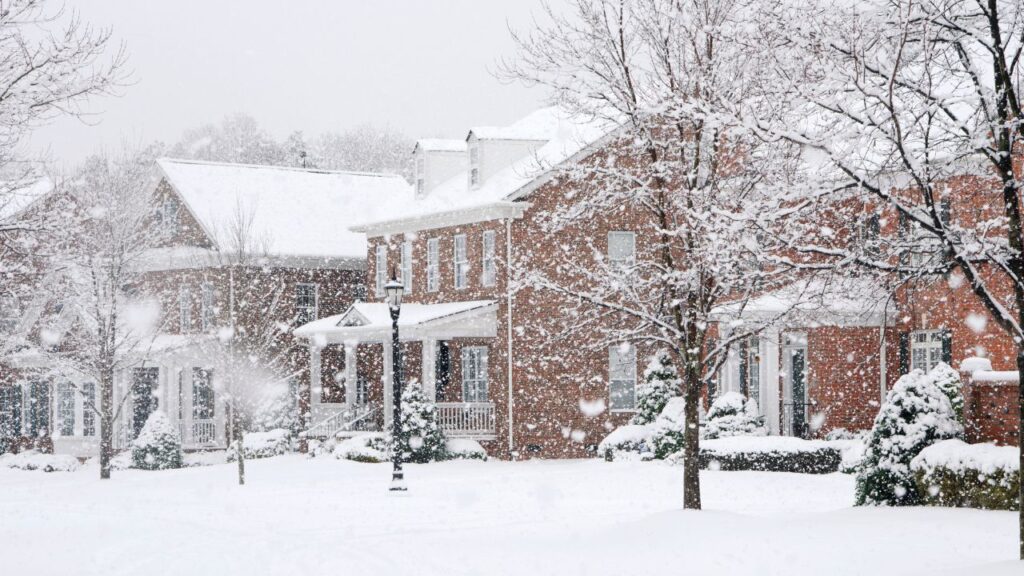
A row of elegant brick homes blanketed in fresh snow, with snowflakes falling and trees covered in white, evoking a peaceful winter atmosphere.

The winter months (December through February) are often overlooked in the home buying process, but they can offer unique advantages for savvy buyers:

  • Less competition: With fewer buyers braving the cold weather and holiday distractions, you’ll face significantly less competition when making offers.

  • More negotiation power: Sellers who list during winter are often more motivated, giving buyers the upper hand in negotiations.

  • Lower prices: According to the National Association of Realtors, home prices tend to dip during winter, with January typically offering some of the lowest prices of the year.

The winter months can be an opportune time for buying a house due to these unique advantages.

While inventory may be limited during this season, the sellers who do list their homes are often highly motivated, which can translate to better deals. The reduced competition means fewer bidding wars, allowing you to negotiate more confidently on price and contingencies.

Spring: The Busiest Season

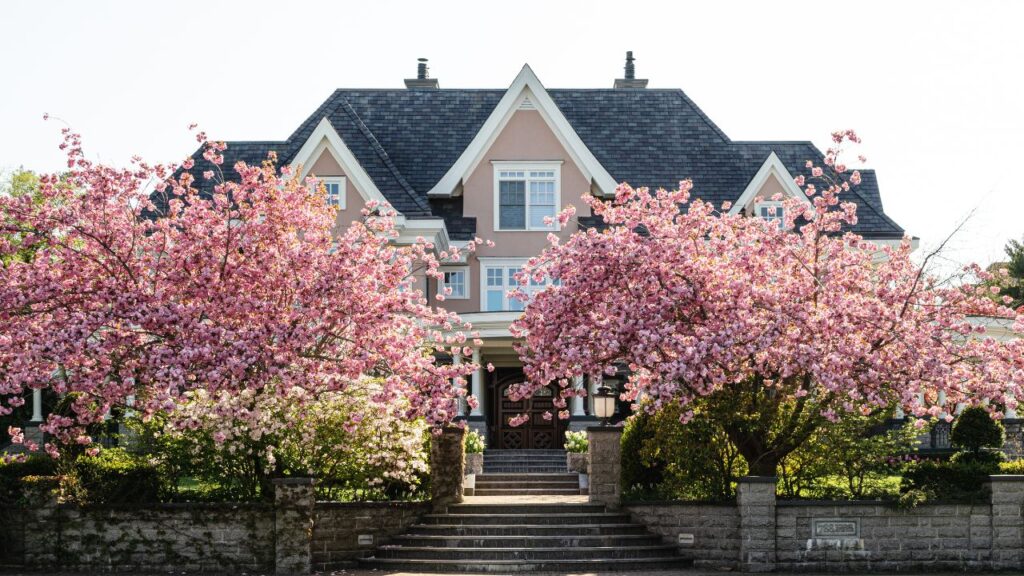
A grand house with a steep roofline, surrounded by fully bloomed pink cherry blossom trees, creating a picturesque spring setting.

Late spring (April through June) is traditionally the most active time in the housing market:

  • More inventory: More homes come on the market, giving buyers more options to choose from.

  • Optimal viewing conditions: Properties tend to show better with blooming landscapes and longer daylight hours.

  • School year considerations: Families with children often prefer to move during spring to settle before the new school year begins.

The downside? Spring is also when you’ll face the most competition, potentially leading to bidding wars that drive prices above market value. This season typically sees the highest demand, which often makes it the worst time to buy if your primary goal is securing a good deal. While spring offers more options, buying a house during this season can be challenging due to heightened competition.

Summer: Transitional Opportunities

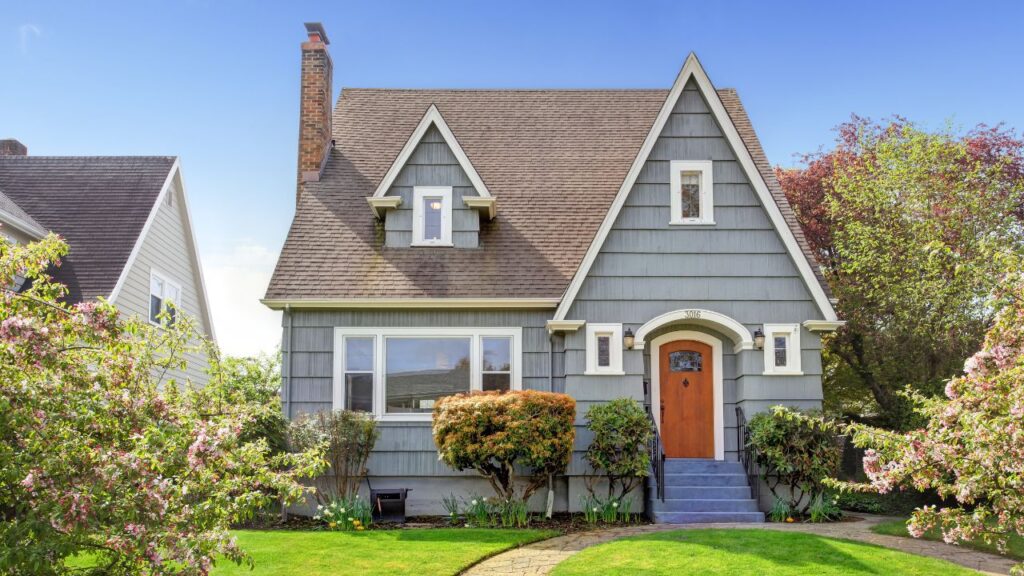
A cozy, gray cottage-style home with a steeply pitched roof and a welcoming wooden door, surrounded by a well-manicured lawn and blooming bushes.

Early summer continues the busy spring market, but late summer (August) can offer a strategic window:

  • Motivated sellers: Sellers who haven’t closed deals during the peak spring season may be more willing to negotiate.

  • Back-to-school timeline: Families looking to settle before school starts create a sense of urgency, potentially leading to quicker deals.

  • More options: Inventory typically remains high, giving buyers plenty of choices.

Summer can be a strategic time for buying a house, especially with motivated sellers and ample inventory.

By late summer, properties that have been sitting on the market might see price reductions, creating opportunities for buyers who missed out during the spring rush.

Fall: The Buyer’s Advantage

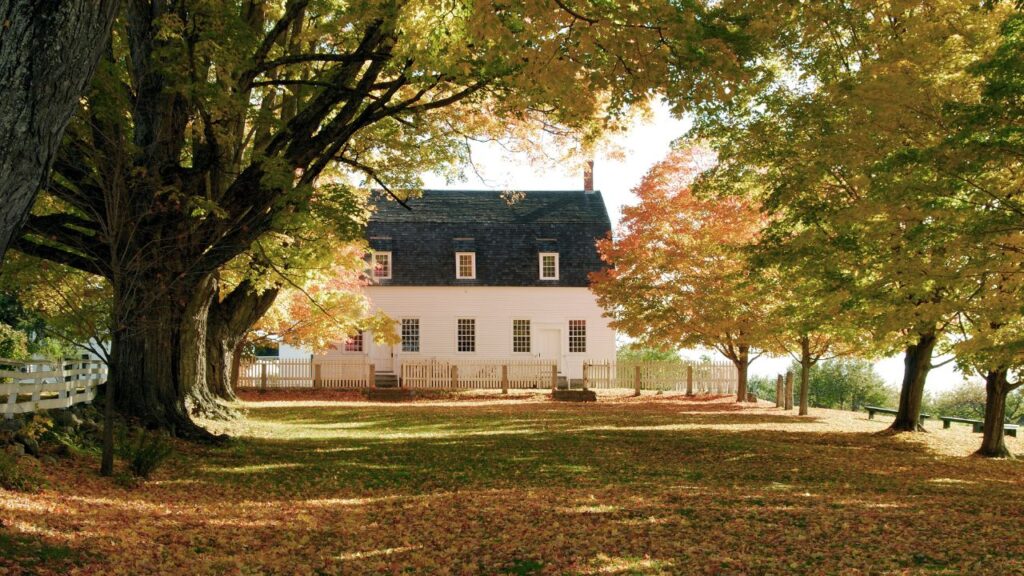
A charming white colonial-style house sits among vibrant autumn foliage, framed by large trees with golden and orange leaves. A wooden fence encloses the home, with fallen leaves covering the ground.

Early fall (September through October) is often cited by real estate experts as the best time to buy a house:

  • Fewer buyers: With school back in session and holidays approaching, the market typically sees reduced competition.

  • Motivated sellers: Sellers who want to close before winter are often more willing to negotiate on price and terms.

  • Price reductions: Homes that didn’t sell during summer may see significant price cuts, especially in October.

Economic Factors Beyond Seasonality

While seasonal patterns provide a helpful framework, economic factors often play an even more significant role in determining the best time to buy. Here are crucial economic indicators to monitor:

Mortgage Interest Rates

Perhaps no single factor has a more significant impact on your ability to afford a home than mortgage rates:

  • A 1% difference in your mortgage rate can translate to tens of thousands of dollars over the life of your loan.

  • When rates drop, your buying power increases substantially.

  • The Federal Reserve’s policies often signal the direction of future mortgage rates.

Rather than focusing exclusively on seasons, many chief economists recommend buying when rates are favorable, regardless of the time of year. Securing a mortgage with a lower interest rate can make a much bigger difference to your long-term finances than buying during a particular month. When mortgage rates are favorable, it can be an excellent time for buying a house.

Housing Market Cycles

Real estate markets typically move through cycles of boom and bust:

  • Buyer’s market: Characterized by lower prices, more inventory, and less competition, giving buyers the advantage.

  • Seller’s market: Features rising prices, limited inventory, and more competition, favoring sellers.

Identifying where your local market sits in this cycle can be more important than the season. Even during spring’s traditionally hot market, buyers can find deals during a broader buyer’s market cycle. Understanding housing market cycles can help you identify the best time for buying a house.

Local Market Conditions

National trends provide general guidance, but real estate is ultimately local:

  • Job growth in your area

  • New construction rates

  • Local economic development

  • Migration patterns

These factors can create micro-markets that behave differently from national trends. Working with a knowledgeable local real estate agent who understands these nuances can help you identify the right time to buy in your specific location. Local market conditions can significantly impact the best time for buying a house.

Personal Factors: When is the Right Time for YOU?

Your personal circumstances play a crucial role in determining the best time for buying a house.

Financial Readiness

A person using a calculator while reviewing financial documents, with warm sunlight streaming in from a nearby window, symbolizing financial readiness and decision-making.

The best time to buy a house is when you’re financially prepared:

  • Down payment: Having 20% saved can help you avoid private mortgage insurance (PMI) and secure better rates.

  • Good credit score: A score above 740 typically qualifies you for the best mortgage rates, potentially saving you thousands.

  • Debt-to-income ratio: Lenders prefer this ratio to be below 36%, with housing costs not exceeding 28% of your gross income.

  • Emergency fund: Beyond your down payment, having 3-6 months of expenses saved provides a safety net for unexpected maintenance costs and other homeownership expenses.

Being financially prepared is essential for buying a house.

When you feel confident in your financial foundation, you’re better positioned to take advantage of market opportunities, regardless of season.

Life Circumstances

A pregnant woman, resting with her belly exposed, gently holding an ultrasound picture of her baby, representing anticipation and life changes.

Sometimes, life events dictate your timeline more than market conditions:

  • Job relocation

  • Growing family

  • Retirement

  • Divorce

Life events often dictate the timeline for buying a house.

In these situations, the “best time” is when you need to move, and you may need to be more flexible about seasonal advantages.

Long-Term Plans

Your intended length of homeownership should influence your buying decision:

  • If you plan to stay 7+ years, market timing becomes less critical as you’ll likely weather any short-term market fluctuations.

  • For shorter stays (2-3 years), timing your purchase during a buyer-friendly period becomes more important.

Your long-term plans should influence your decision when buying a house.

Strategies for Finding Your Opportune Time

Armed with an understanding of seasonal patterns, economic factors, and personal considerations, here are strategic approaches to timing your home purchase:

Monitor Multiple Indicators

The ideal buying scenario combines:

  • Favorable season

  • Low mortgage rates

  • Buyer’s market conditions

  • Strong personal financial position

While it’s rare to hit all four simultaneously, watching for the alignment of two or three can signal an excellent time to buy. Combining multiple indicators can signal an excellent time to buy a house.

Develop a Long-Term Approach

Rather than trying to “time” the market perfectly:

  • Start monitoring housing markets 6-12 months before you intend to buy

  • Get pre-approved for a mortgage early so you can move quickly when opportunities arise

  • Build relationships with real estate agents who can alert you to deals

This patient approach often yields better results than rushing into a purchase based solely on seasonal considerations.

Consider Counter-Cyclical Shopping

Sometimes, the best strategy is to go against the crowd:

  • Shop for homes during winter months when most buyers hibernate

  • Look at properties that have been on the market for 60+ days, regardless of season

  • Consider homes with “flaws” that turn away other buyers but that you can remedy

These approaches can help you find value in any market condition.

Common Scenarios: When Different Buyers Should Consider Purchasing

First-Time Homebuyers

For those making their initial entry into homeownership:

  • Focus more on financial readiness than perfect timing

  • Consider starting your search in September/October when you might face less competition

  • Be prepared to continue searching into winter if necessary, when you might find better deals

First-time homebuyers often benefit more from educational preparation than market timing, as understanding the process reduces stress and improves decision-making.

Move-Up Buyers

When selling an existing home to purchase a larger one:

  • Consider the impact of seasonality on both selling and buying

  • Late summer or early fall can offer a balanced approach, allowing you to sell in a still-active market while buying with increasing leverage

The timing complexity increases when you’re both a seller and a buyer, requiring careful coordination.

Investors

Those purchasing properties for rental income or appreciation:

  • Focus less on seasonality and more on economic indicators

  • Look for properties in up-and-coming neighborhoods regardless of time of year

  • Consider condo sales as well as single-family homes, as they sometimes follow different patterns

Investors can often find opportunities in any season because their criteria differ from primary homebuyers.

Financial Considerations: Beyond the Purchase Price

When determining the best time to buy, consider these additional financial factors:

Property Taxes

In some areas, property tax assessments occur at specific times of the year. Understanding this schedule might help you time your purchase to optimize your tax position.

Maintenance Costs

Buying just before a high-maintenance season (like winter in cold climates) means you’ll immediately face potential expenses. Factor this timing into your budget planning.

Affordable Monthly Payments

The combination of purchase price, mortgage rates, property taxes, and insurance determines your monthly costs. Finding the right balance of these factors often matters more than buying in a specific month.

Balancing Timing with Readiness

The truly opportune time to buy emerges at the intersection of:

  • Favorable market conditions (whether seasonal or economic)

  • Your personal financial readiness

  • Your life circumstances and needs

Rather than waiting for perfect market conditions, focus on building your financial foundation—saving for a down payment, improving your credit score, and reducing debt. With this solid preparation, you’ll be ready to act decisively when the right property comes along, regardless of whether it’s during the traditional “best” season.

Remember that your home is both a place to live and a financial investment. Balancing these dual purposes—finding a place where you’ll be happy while making a sound financial decision—should guide your timing more than strictly adhering to seasonal patterns.

At Bernie Gallerani Real Estate, we understand that navigating the Middle Tennessee housing market requires local expertise and personalized guidance. Our team of experienced real estate professionals is dedicated to helping you find the perfect home at the right time for your unique situation. What sets us apart is our comprehensive approach to the home buying process—we not only help you find your dream home in Middle Tennessee’s vibrant communities but also offer streamlined financing solutions through our in-house mortgage company, Xperience Mortgage. This integrated approach means you’ll enjoy a smoother transaction from house hunting to closing, with experts guiding you every step of the way. Contact Bernie Gallerani Real Estate today, and let us help you turn the key to your new Middle Tennessee home at the perfect time for you.

12 Most Expensive Neighborhoods in Nashville, Tennessee

Nashville, Tennessee, is not just the heart of the country music scene; it’s also home to some of Nashville’s wealthiest neighborhoods, which are among the most expensive in the state. These areas are known for their high-end real estate, exclusive amenities, and proximity to the city’s cultural and entertainment hubs.

In this blog post, we will explore the most expensive neighborhoods in Nashville, focusing on key aspects like median home prices, architectural styles, and local amenities. From the historic estates of Belle Meade to the modern luxury of The Gulch, each neighborhood offers a unique living experience for those seeking upscale residences in Nashville.

1. Belle Meade

  • Vibe: Historic, elegant, and exclusive.
  • Why it’s pricey: Mansions, tree-lined streets, and close proximity to elite country clubs and golf courses.
  • Average home price: $2,953,218

Belle Meade stands out as one of the most affluent and prestigious neighborhoods in Nashville, Tennessee, often synonymous with luxury and exclusivity. This small, independent city within Nashville is renowned for its sprawling estates, opulent homes, and verdant, well-manicured lawns, exuding an air of Southern charm and elegance. The streets of Belle Meade are lined with a mix of historic mansions and modern high-end residences, each boasting unique architectural designs that range from classic Tudor styles to contemporary aesthetics. This neighborhood is not just about grand homes; it’s a testament to a lifestyle that prioritizes privacy, tranquility, and a sense of community among its elite and wealthy residents.

Belle Meade’s allure is further heightened by its rich history and cultural significance. The area is home to the Belle Meade Plantation, a historic mansion and museum that offers a glimpse into 19th-century Southern life and contributes to the neighborhood’s unique character. Additionally, the Belle Meade Historic Site is a key landmark that underscores the area’s historical significance and luxurious lifestyle, making it highly desirable for high-net-worth individuals and families. In addition to its historical landmarks, Belle Meade offers exclusive amenities such as the prestigious Belle Meade Country Club, known for its golf course, social events, and networking opportunities. The neighborhood’s proximity to downtown Nashville ensures easy access to the city’s vibrant music scene, upscale restaurants, and boutique shopping, making it a coveted location for those seeking a serene residential area with all the perks of city life.

2. 12 South

  • Vibe: Hip, walkable, with bungalow charm.
  • Why it’s pricey: Historic homes, boutique shops, and popular dining all in one neighborhood.
  • Average home price: $1,800,000

The 12 South neighborhood has rapidly transformed into one of Nashville’s most desirable areas, combining historic charm with contemporary urban living. Tree-lined streets showcase a beautiful blend of renovated historic homes and new luxury constructions, appealing to young professionals and families alike.

Known for its walkable commercial district along 12th Avenue South, residents enjoy easy access to popular local shops, upscale boutiques, and chic restaurants. The vibrant street scene has become a destination for both locals and tourists, significantly enhancing the neighborhood’s property values.

Despite its urban appeal, 12 South maintains residential tranquility with quiet streets, mature trees, and nearby Sevier Park for recreation. Just a short drive from downtown Nashville and Music Row, the neighborhood offers the perfect balance of suburban charm and city convenience, securing its position among Nashville’s most sought-after expensive neighborhoods.

3. Forest Hills

  • Vibe: Private, wooded lots with luxury estates.
  • Why it’s pricey: Secluded feel while still being close to Green Hills and downtown.
  • Average home price: $1,746,756

Forest Hills is one of the richest neighborhoods in Nashville, renowned for its sprawling estates, private settings, and an abundance of greenery, offering a serene escape from the urban hustle. The properties in Forest Hills are characterized by their sizable acreages, providing single family and residents with ample privacy and space. Architecturally, the neighborhood boasts a diverse array of styles, ranging from stately traditional homes to modern masterpieces, each reflecting the individual tastes of their affluent owners.

The allure of Forest Hills is not merely in its luxurious homes but also in its rich, natural landscape. The area is dotted with mature trees, rolling hills, and beautifully landscaped gardens, creating a picturesque setting that is both tranquil and breathtaking. This community’s proximity to Radnor Lake State Park enhances its appeal, offering residents easy access to one of the most beautiful natural reserves in the region, ideal for hiking, bird watching, and enjoying the outdoors.

4. Green Hills

  • Vibe: Upscale suburb with high-end shopping.
  • Why it’s pricey: The Mall at Green Hills, top-rated schools, and custom-built homes.
  • Average home price: $1,684,683

Renowned for its upscale shopping centers, including The Mall at Green Hills, and an array of high-end boutiques and designer stores, Green Hills is a paradise for those who cherish a sophisticated lifestyle. The neighborhood boasts an enviable mix of stately homes and modern condominiums, appealing to a diverse array of affluent residents. From the sprawling, meticulously landscaped lawns of traditional Southern estates to contemporary homes featuring cutting-edge architecture, Green Hills offers a variety of living experiences, all synonymous with luxury.

The community in Green Hills is as vibrant as it is affluent. With some of Nashville’s finest dining establishments, chic cafes, and an array of cultural venues like the iconic Bluebird Cafe, the neighborhood pulsates with an energy that blends Southern charm with cosmopolitan flair. The educational opportunities here are also top-notch, with several prestigious schools serving the area. Green Hills is not just a place to live; it’s a lifestyle choice for those who seek the best in suburban living with a metropolitan feel. Despite its opulence, the neighborhood maintains a serene atmosphere, with lush green spaces and parks providing an urban oasis for residents. This harmonious blend of luxury, culture, and tranquility is what sets Green Hills apart as one of the most expensive and desirable neighborhoods in Nashville, Tennessee.

5. Belmont-Hillsboro

  • Vibe: Historic, walkable, and academic with early 1900s charm.
  • Why it’s pricey: Prime location near Belmont & Vanderbilt, protected architecture, and strong demand.
  • Average home price: $1,052,678

The Belmont and Hillsboro area is known as one of Nashville’s wealthiest neighborhoods, featuring picturesque tree-lined streets and a variety of architectural styles ranging from stately Victorian homes to modern, high-end condominiums. The proximity of Belmont and Hillsboro to prominent Nashville landmarks, such as Belmont University and the famed Music Row, adds to its desirability. The neighborhood’s vibrant cultural scene is bolstered by an array of boutique shops, artisan cafes, and gourmet restaurants.

Residents of Belmont-Hillsboro enjoy a strong sense of community and access to top-rated schools, making it an ideal location for families. The blend of urban convenience with suburban tranquility in Belmont and Hillsboro appeals to professionals, artists, and families alike, making it a standout among Nashville’s most expensive neighborhoods.

6. Hillwood Estates

  • Vibe: Quiet, suburban, and established with spacious lots and mature trees.
  • Why it’s pricey: Large homes, golf course proximity, and a peaceful west Nashville location.
  • Average home price: $993,361

Hillwood Estates offers a serene escape from the hustle and bustle of city life, providing a tranquil and peaceful living experience in the suburbs of Nashville. Known for its spacious homes, beautifully manicured lawns, and tree-lined streets, this neighborhood exudes an air of suburban tranquility that is hard to find elsewhere. The homes in Hillwood Estates range from classic mid-century designs to modern luxury estates, each set on generous plots of land that offer privacy and seclusion.

This family-friendly neighborhood is dotted with several parks and green spaces, including the prestigious Hillwood Country Club, where residents can enjoy golfing, tennis, and social events. Outdoor enthusiasts will appreciate the easy access to hiking and biking trails, as well as the nearby Cumberland River, perfect for weekend adventures and leisurely strolls.

Despite its suburban setting, Hillwood Estates is just a short drive from Downtown Nashville, offering residents the best of both worlds – a peaceful, secure environment with easy access to the city’s cultural and entertainment hubs. For those seeking a blend of suburban tranquility and urban convenience, Hillwood Estates stands out as one of Nashville’s most desirable neighborhoods.

7. Melrose

  • Vibe: Trendy, energetic, and up-and-coming with a mix of old and new.
  • Why it’s pricey: Walkable to bars, restaurants, and close to 12 South and downtown.
  • Average home/condo price: $862,500

Melrose is renowned for its beautifully restored homes, ranging from classic bungalows to modern condominiums. The streets of Melrose are lined with a variety of boutique shops, artisanal eateries, and trendy bars, making it a vibrant hub for both locals and visitors alike. The real estate market in Melrose reflects its desirability, with property values consistently on the rise.

The allure of Melrose extends beyond its residential appeal. It is also a cultural hotspot, hosting numerous music venues, galleries, and theaters that contribute to Nashville’s reputation as a creative center. The neighborhood’s location offers unparalleled access to the best of Music City, from the famed country music scenes to the bustling business districts.

8. West Meade

  • Vibe: Residential and refined with large lots.
  • Why it’s pricey: New builds mixed with renovated ranch homes, spacious lots.
  • Average home price: $854,020

Known for its sprawling estates and exquisite custom-built homes, West Meade has evolved into one of Nashville’s most coveted addresses. The neighborhood is characterized by its spacious lots, often exceeding an acre, providing residents with a sense of privacy and exclusivity that is hard to find in the heart of a bustling city. The architectural styles here range from mid-century modern to contemporary masterpieces, each adding a unique charm to the tree-lined streets.

The allure of West Meade extends beyond its impressive real estate portfolio. Its proximity to downtown Nashville ensures that the urban amenities are just a short drive away while still offering a tranquil retreat from the city’s hustle and bustle. The area boasts some of the city’s top schools, lush parks, and local boutiques, adding to its family-friendly appeal.

9. Music Row

  • Vibe: Iconic, urban, and industry-driven—heart of Nashville’s music scene.
  • Why it’s pricey: Central location, historic significance, and demand from developers and creatives.
  • Average home/condo price: $825,923

Music Row, nestled in the heart of Nashville, Tennessee, stands as a beacon of the city’s vibrant music industry and one of its wealthiest neighborhoods. This legendary area, known for its deep-rooted connections to the country music scene, is more than just a hub for musicians and record labels; it’s also one of the most sought-after residential neighborhoods. The streets are lined with an eclectic mix of charming historic homes and modern luxury apartments, each carrying a piece of Nashville’s rich musical history. The neighborhood’s unique blend of cultural significance and urban sophistication makes it a coveted location for those seeking a taste of Nashville’s artistic legacy mixed with upscale living.

The real estate market in Music Row reflects its exclusivity and allure. Properties here command premium prices, with costs significantly higher than the city’s average. The demand is fueled by the neighborhood’s unparalleled access to recording studios, music publishing houses, and entertainment venues, making it a dream destination for artists, music industry professionals, and aficionados alike. Residents enjoy a vibrant community atmosphere punctuated by local cafes, boutique shops, and intimate music venues that host some of the city’s most exciting live performances. Living in Music Row means embracing a lifestyle steeped in musical heritage, where the echoes of legendary artists past and present resonate through the tree-lined streets.

10. Sylvan Park

  • Vibe: Laid-back, walkable, and community-focused with craftsman-style homes.
  • Why it’s pricey: Close to McCabe Golf Course, local dining, and easy access to downtown.
  • Average home price: $778,063

Known for its charming blend of historic and contemporary architecture, Sylvan Park is one of the richest neighborhoods in Nashville, exuding an air of elegance and tranquility that’s hard to find in the bustling cityscape. This neighborhood, with its tree-lined streets and beautifully manicured lawns, offers a picturesque setting that attracts affluent professionals and families alike. The homes in Sylvan Park range from beautifully restored early-20th-century bungalows to modern, upscale constructions, each adding a unique touch to the neighborhood’s aesthetic.

Beyond its aesthetic appeal, Sylvan Park is renowned for its exceptional quality of life. The area boasts top-notch local amenities, including gourmet restaurants, trendy cafes, and boutique shops that cater to the refined tastes of its residents. The neighborhood also prides itself on having some of the best schools in the region, further enhancing its appeal to families. Additionally, Sylvan Park offers abundant green spaces, such as McCabe Park and the Richland Creek Greenway, providing residents with ample opportunities for outdoor activities and relaxation.

11. The Gulch

  • Vibe: Trendy urban luxury.
  • Why it’s pricey: High-end condos, walkability, rooftop bars, and sleek new developments.
  • Average condo price: $762,500

The Gulch, nestled in the heart of Nashville, Tennessee, stands out as one of Nashville’s wealthiest neighborhoods and one of the city’s most affluent and vibrant areas. This once-industrial area has transformed into a modern urban paradise, boasting high-end condominiums, luxury apartments, and an array of upscale boutiques and eateries. The architecture here is a harmonious blend of contemporary design and historic charm, reflecting the area’s dynamic evolution. The streets are lined with trendy art galleries, chic cocktail bars, and gourmet restaurants, attracting a diverse crowd of locals and tourists alike.

What truly sets The Gulch apart is its commitment to luxury living and a high-quality urban lifestyle. It’s a hotspot for young professionals and artists, drawn by its thriving music scene and proximity to Nashville’s famous music venues. Residents enjoy a unique blend of urban convenience and upscale amenities, including exclusive access to rooftop terraces, state-of-the-art fitness centers, and private parking.

12. Downtown Nashville

  • Vibe: Luxe city life with skyline views.
  • Why it’s pricey: Rare penthouses, luxury high-rises, and prime location.
  • Average condo price: $699,900

Downtown Nashville is the epicenter of luxury living in Music City, offering a unique blend of urban sophistication and Southern charm. This vibrant area is home to some of the most expensive neighborhoods in Nashville, including The Gulch and SoBro, where modern high-rises and historic buildings coexist harmoniously. Residents of Downtown Nashville enjoy unparalleled access to top-notch amenities, from upscale shopping and gourmet dining to world-class entertainment options.

The neighborhood is a hotspot for young professionals and artists, drawn by its thriving music scene and proximity to Nashville’s famous music venues. Whether you’re catching a live performance at the Ryman Auditorium or exploring the eclectic boutiques along Broadway, there’s always something exciting happening in Downtown Nashville. The area also boasts several high-end hotels, such as the Omni Nashville Hotel and the Westin Nashville, adding to its cosmopolitan flair.

Find Your Dream Home in Nashville with Bernie Gallerani Real Estate

A grand two-story luxury home in Nashville at sunset, featuring a light stone exterior, symmetrical design, large arched windows, and a slate roof. The property is framed by manicured landscaping, young trees, and a curved driveway leading to the entrance.

In summary, Nashville’s real estate landscape offers a diverse range of luxurious neighborhoods, each with its unique charm and appeal. Whether you’re drawn to the historic elegance of Belle Meade or the modern sophistication of The Gulch, there’s a neighborhood in Nashville that meets every luxury living expectation.

If you’re considering making a home in one of these exclusive areas, our team at Bernie Gallerani Real Estate is here to guide you through every step of the process. With our deep understanding of Nashville’s real estate market and commitment to exceptional service, we’ll ensure you find the perfect home that fits your lifestyle and needs. Contact Bernie Gallerani Real Estate today for all your real estate needs in the Nashville area, and let us help you turn your dream home into a reality.

The Ultimate Guide to the Best Places to Live in Tennessee

Are you searching for the best places to live in Tennessee? You’ve come to the right place! The Volunteer State offers an incredible mix of vibrant cities, charming small towns, stunning natural beauty, affordable housing, and rich cultural attractions that make it one of the most desirable states to call home in the United States.

Tennessee stretches across three distinct regions—East TN, Middle TN, and West TN—each with its own unique character and appeal. Whether you’re drawn to the majestic Great Smoky Mountains in the east, the rolling hills and music scene of middle Tennessee, or the Mississippi River plains in the west, this great state has something for everyone.

In this comprehensive guide, we’ll explore the best places to live in Tennessee, examining everything from housing costs and employment opportunities to education, healthcare, cultural attractions, and quality of life. So let’s dive into what makes Tennessee such a fantastic place to put down roots!

Why Choose Tennessee?

Before we delve into specific cities and towns, let’s talk about what makes Tennessee such a great place to live:

  1. No state income tax – Tennessee is one of the few states without personal income tax, making it financially attractive for many.
  2. Four distinct seasons – Enjoy mild winters, vibrant springs, warm summers, and colorful autumns.
  3. Musical heritage – From country music in Nashville to blues in Memphis and Appalachian folk in East Tennessee, music is woven into the fabric of life across the state.
  4. Natural beauty – With the Great Smoky Mountains National Park, numerous lakes, the Tennessee River, and countless hiking trails, outdoor enthusiasts will find paradise here.
  5. Southern hospitality – Tennesseans are known for their friendliness and welcoming nature.
  6. Lower cost of living – While some areas are becoming more expensive, Tennessee generally offers an affordable lifestyle compared to many other states.

Now, let’s explore the best cities and towns to live in Tennessee by region.

Middle Tennessee: The Heart of the Volunteer State

Middle Tennessee encompasses Nashville and its surrounding areas, offering a perfect blend of urban amenities and rural charm.

Nashville: Music City and Beyond

Nashville, the capital and largest city in Tennessee, is famous worldwide as “Music City” due to its rich musical heritage and vibrant music scene. Home to the Grand Ole Opry, the Country Music Hall of Fame, and countless recording studios, Nashville is a paradise for music lovers, especially those who appreciate country music and artists like Johnny Cash who helped shape its legacy.

But Nashville is so much more than just music. As the anchor of the Nashville metropolitan area, the city offers:

  • Diverse Economy: Major employers include healthcare companies, automotive manufacturing, education, and technology firms, providing excellent job opportunities across various sectors.
  • Educational Excellence: Nashville is home to Vanderbilt University, Belmont University, Tennessee State University, and many other respected institutions.
  • Cultural Attractions: Beyond music venues, you’ll find world-class museums, a thriving arts scene, professional sports teams, and a renowned culinary landscape.
  • Healthcare Leadership: Often called the “Healthcare Capital of the United States,” Nashville houses more than 500 healthcare companies and outstanding medical facilities.

The average home value in Nashville proper is around $430,000, which has increased quite a bit in recent years as the city’s popularity has grown. However, this is still more affordable than many other major metropolitan areas across the country.

Nashville neighborhoods worth considering include:

  • East Nashville: Known for its hipster vibe, historic homes, and creative community
  • The Gulch: Upscale urban living with luxury condos and walkability
  • 12South: Trendy area with boutique shopping and restaurants
  • Germantown: Historic district with excellent dining options
  • Sylvan Park: Family-friendly neighborhood with beautiful parks

With a population approaching 700,000 in the city proper and over 2 million in the metropolitan area, Nashville continues to attract newcomers seeking its unique combination of southern charm and cosmopolitan energy.

Franklin: Historic Charm and Modern Luxury

Just 21 miles south of Nashville, Franklin in Williamson County consistently ranks among the best places to live in Tennessee and even the entire United States. This small city of almost 90,000 residents perfectly balances historic charm with modern amenities.

Franklin’s downtown area is a national treasure, with its Main Street designated as a Great American Main Street by the National Trust for Historic Preservation. The well-preserved 19th-century buildings now house upscale boutiques, award-winning restaurants, and art galleries.

What makes Franklin special:

  • Excellent Schools: Williamson County School District is consistently ranked among the best in Tennessee.
  • Rich History: The Battle of Franklin was a significant Civil War engagement, and the city’s historic sites attract history buffs from around the country.
  • Community Events: From the Main Street Festival to Dickens of a Christmas, Franklin hosts beloved community events throughout the year.
  • Economic Opportunity: Major corporations like Nissan North America, Mars Petcare, and Community Health Systems have headquarters or significant operations here.

The premium quality of life comes with a price tag—the median home value in Franklin is approximately $875,625, making it one of the most expensive cities in Tennessee. However, many residents feel the exceptional schools, safety, and amenities justify the cost.

Brentwood: Affluent Suburban Living

Just north of Franklin in Williamson County sits Brentwood, one of the wealthiest suburbs not just in the Nashville metropolitan area but in the entire Southeast. With about 45,000 residents, Brentwood offers large homes on spacious lots with a median home value reaching $1,313,000.

Named after an English Estate, Brentwood’s history dates back to the late 1700s when the first settlers arrived. Much of the land was originally granted to Revolutionary War soldiers by the state of North Carolina. Like many areas in Tennessee, Brentwood suffered significant damage during the Civil War but rebuilt and flourished in the decades that followed.

Brentwood residents enjoy:

  • Top-Rated Schools: Both public and private educational options are excellent.
  • Upscale Shopping: The Hill Center and other retail developments offer high-end shopping and dining.
  • Parks and Recreation: Extensive green spaces, including Crockett Park and Smith Park, provide recreational opportunities.
  • Privacy and Security: Low crime rates and spacious properties provide peace of mind.

While Brentwood might not have the same vibrant downtown as Franklin, its proximity to both Franklin and Nashville means residents can easily access urban amenities while enjoying suburban tranquility.

Murfreesboro: Growth and Opportunity

Murfreesboro, located in Rutherford County, has transformed from a small historic town to one of the fastest-growing cities in the United States. With a population of approximately 165,000, it offers many of the amenities of a big city while maintaining a friendly, community-oriented atmosphere.

Named the Most Livable Town in Tennessee, Murfreesboro provides:

  • Educational Hub: Home to Middle Tennessee State University, one of the largest undergraduate universities in the state.
  • Historical Significance: The Stones River National Battlefield commemorates one of the Civil War’s bloodiest battles.
  • Family-Friendly Attractions: Discovery Center at Murfree Spring, Cannonsburgh Village, and numerous parks serve families well.
  • Affordable Housing: With an average home value of $409,000, Murfreesboro offers more affordable options than Nashville and its immediate suburbs.

Murfreesboro’s strategic location—just 34 miles southeast of Nashville—makes it possible to commute to the capital while enjoying a lower cost of living. The city’s rapid growth has been accompanied by infrastructure improvements, new schools, and expanded medical facilities.

Mount Juliet: “The City Between the Lakes”

Mount Juliet in Wilson County has experienced dramatic growth over the past two decades, evolving from a quiet rural community to a thriving small city of about 43,000 residents. Located just east of Nashville, Mount Juliet offers convenient access to the city while providing a more relaxed pace of life.

The city’s name comes from a manor house, Mount Juliet Estate in County Kilkenny, Ireland. Founded in 1835 and incorporated in 1972, Mount Juliet is now the largest city in Wilson County.

Key features include:

  • Proximity to Water: Near both Percy Priest Lake and Old Hickory Lake, offering abundant water recreation opportunities.
  • Shopping and Dining: Providence Marketplace provides extensive retail options.
  • Transportation Access: Strategically located near I-40 with the WeGo Star commuter rail station for easy Nashville access.
  • Growing Economy: Distribution centers for major companies like Under Armour and FedEx have created local employment opportunities.

With an average home price of approximately $548,000, Mount Juliet offers a good value considering its amenities and location within the Nashville metropolitan area.

Hendersonville: Lakeside Living

Situated along the shores of Old Hickory Lake, Hendersonville in Sumner County combines natural beauty with suburban convenience. This city of about 64,000 residents is just 18 miles northeast of Nashville.

Hendersonville’s rapid growth is attributed to its geographic location and scenic beauty. With approximately 38 square miles of land and 26 miles of shoreline on Old Hickory Lake, it’s perfect for those who enjoy water activities like boating, fishing, and swimming.

Notable aspects of Hendersonville include:

  • Celebrity Connections: Johnny Cash and June Carter Cash called Hendersonville home for many years. Taylor Swift also graduated from Hendersonville High School.
  • Outdoor Recreation: Besides the lake, residents enjoy numerous parks throughout the city.
  • Family-Friendly Community: Good schools, youth sports programs, and community events create a welcoming environment for families.
  • Balanced Housing Market: With an average home price of $490,000, Hendersonville offers various housing options from lakefront estates to modest family homes.

The city maintains a distinct identity while functioning as an integral part of the broader Nashville metropolitan area.

Gallatin: Historic Charm on the Lake

Located in Sumner County just 30 miles northeast of Nashville, Gallatin offers a perfect blend of small-town charm and modern amenities. With a population of approximately 50,000 residents, Gallatin has experienced steady growth while maintaining its historic character and sense of community.

Named after U.S. Secretary of the Treasury Albert Gallatin, the city was established in 1802 and serves as the county seat of Sumner County. Its rich history is evident in the well-preserved downtown square, lined with historic buildings that now house local businesses, boutiques, and restaurants.

Gallatin offers several distinct advantages:

  • Lakeside Recreation: Situated along Old Hickory Lake, Gallatin provides ample opportunities for boating, fishing, and water sports. The city’s Lock 4 Park offers beautiful lake views and outdoor recreation facilities.
  • Economic Development: Major employers include Gap Inc.’s distribution center, Servpro Industries headquarters, and Beretta USA’s manufacturing facility, creating diverse employment opportunities for residents.
  • Healthcare Access: Sumner Regional Medical Center provides quality medical facilities right in town, with specialty care available at nearby Nashville hospitals.
  • Education Options: Gallatin is home to Volunteer State Community College, offering higher education opportunities close to home, while the Sumner County School District serves K-12 students.
  • Affordable Housing: With an average home price of approximately $416,000, Gallatin offers a more affordable alternative to many Nashville suburbs while still providing excellent quality of life.

The city has invested significantly in community development, including the beautiful Triple Creek Park with walking trails, sports facilities, and a splash pad for families. Cultural attractions include the Palace Theatre, a restored 1913 movie theater that now hosts films and live performances, and the Sumner County Museum, which preserves local history.

Annual events like the Main Street Festival and the Gallatin Square Fest bring the community together and attract visitors from throughout Middle Tennessee. For those who appreciate small-town living with big-city amenities within easy reach, Gallatin presents an attractive option in the Nashville metropolitan area.

Nolensville: Small-Town Charm with Growing Appeal

Nolensville represents one of Middle Tennessee’s fastest-growing small towns. Located in Williamson County with a population of around 15,000, this community has seen rapid development while working to preserve its historic character.

Attractions in Nolensville include:

  • Historic Village: The original downtown features antique shops and local restaurants.
  • Top-Rated Schools: As part of Williamson County, Nolensville schools are excellent.
  • New Developments: Master-planned communities offer modern amenities with architectural guidelines that complement the town’s historic character.
  • Community Events: The Nolensville Farmer’s Market and Nolensville Buttercup Festival bring residents together.

With a median home value of approximately $795,000, Nolensville property values reflect its desirability and location within sought-after Williamson County.

Spring Hill: Automotive Industry Hub and Family Haven

Straddling both Maury and Williamson counties, Spring Hill is located about 30 miles south of Nashville. The city was founded in 1809 by Williamson County judge John Overton and named after a spring that provided fresh water to the area.

Spring Hill’s modern identity was shaped by the opening of the General Motors Saturn plant in 1990, which has since become a major Cadillac and GMC manufacturing facility. This industrial presence has spurred significant population growth, with the city now home to around 57,000 residents.

Key aspects of life in Spring Hill include:

  • Economic Stability: The GM plant and supporting industries provide solid employment opportunities.
  • Affordability: With an average home value of $512,000, Spring Hill offers more affordable options than many Williamson County communities.
  • New Construction: Numerous new subdivisions feature modern homes with family-friendly amenities.
  • Growing Infrastructure: New schools, shopping centers, and medical facilities continue to develop as the population increases.

Spring Hill’s location along the I-65 corridor makes it accessible to both Nashville and Columbia, providing residents with various employment and entertainment options.

Columbia: “Mule Capital of the World”

Further south of Nashville, Columbia serves as the county seat of Maury County and offers a blend of history, culture, and affordability. With a population of about 48,000, Columbia retains a small-city feel while providing necessary amenities.

Known historically as the “Mule Capital of the World” for its annual Mule Day celebration dating back to the 1840s, Columbia has worked to revitalize its downtown square in recent years. The result is a charming district with locally-owned shops, restaurants, and the renovated historic Maury Theater.

Columbia offers:

  • Affordable Housing: With average home prices around $353,000, Columbia is significantly more affordable than communities closer to Nashville.
  • Educational Options: Columbia State Community College provides higher education opportunities.
  • Cultural Heritage: The James K. Polk Home preserves the legacy of the 11th U.S. President, who began his legal career in Columbia.
  • Emerging Arts Scene: The Columbia Arts Building houses artists’ studios, shops, and event spaces.

For those seeking small-city living with a reasonable commute to Nashville (about 45 minutes), Columbia represents an attractive option.

White House: Cross-County Community

Straddling the Sumner and Robertson county line, White House is a small city of about 15,000 residents located about 27 miles north of Nashville along I-65. The community takes its name from a white two-story house built by the founder, Richard Wilks, in the 1800s that served as a stopover for travelers between Nashville and Louisville.

White House offers:

  • Affordable Housing: With average home prices around $384,000, White House provides good value.
  • Growing Amenities: Recent years have seen expansion in retail, dining, and service options.
  • Community Parks: The White House Municipal Park and H.B. Williams Park offer recreational facilities.
  • Small-Town Atmosphere: Despite growth, White House maintains a friendly, close-knit community feel.

Its position at the state line between Tennessee and Kentucky gives residents easy access to attractions in both states.

East Tennessee: Mountains, Lakes, and College Towns

A misty view of the Great Smoky Mountains during autumn. Rolling hills are covered in colorful fall foliage, with fog drifting through the trees, creating a serene and majestic landscape.

East TN offers stunning natural beauty with the Great Smoky Mountains, numerous lakes, and vibrant cities like Knoxville and Chattanooga.

Knoxville: College Town and Outdoor Paradise

A packed Neyland Stadium in Knoxville, Tennessee, during a University of Tennessee football game. The stadium is filled with fans dressed in orange, and the field showcases the signature checkerboard end zones.

As Tennessee’s third-largest city and the center of the Knoxville area, this East Tennessee hub combines urban amenities with easy access to outdoor recreation. Home to approximately 200,000 residents in the city proper and nearly 900,000 in the metropolitan area, Knoxville offers a high quality of life with more affordable housing than many comparable cities.

The University of Tennessee’s flagship campus adds youthful energy and cultural vibrancy, with over 30,000 students calling the city home during the academic year. The university’s influence extends beyond academics to sports (go Vols!), arts, and research activities.

Knoxville highlights include:

  • Urban Wilderness: Over 1,000 acres of forest, trails, and recreational areas within the city limits.
  • Downtown Revival: Market Square and the Old City offer dining, shopping, and entertainment in historic settings.
  • Gateway to the Smokies: The Great Smoky Mountains National Park is just an hour’s drive away.
  • Tennessee River: Running through the heart of the city, the river provides recreational opportunities and scenic beauty.
  • Cultural Attractions: The Knoxville Museum of Art, historic theaters, and numerous festivals enrich city life.

With an average home value of $352,000, Knoxville offers considerable value considering its amenities and quality of life.

Chattanooga: Scenic City on the Rebound

An aerial view of Chattanooga, Tennessee, featuring the Walnut Street Bridge and John Ross Bridge spanning the Tennessee River. The city skyline, lush greenery, and a mountain range in the background create a picturesque scene at sunrise or sunset.

Nestled along the Tennessee River and surrounded by mountains, Chattanooga has undergone a remarkable transformation from industrial center to outdoor and technology hub. This city of about 187,000 residents combines natural beauty with urban amenities in a way few cities can match.

Chattanooga’s renaissance began with the revitalization of its riverfront and has expanded to include:

  • Outdoor Recreation: Rock climbing, mountain biking, hiking, paddleboarding, and kayaking are all accessible within or very near the city limits.
  • Gig City: Chattanooga was the first city in the Western Hemisphere to offer 10-gigabit internet service citywide, attracting technology companies and remote workers.
  • Family Attractions: The Tennessee Aquarium, Creative Discovery Museum, and Lookout Mountain (home to Ruby Falls, Rock City, and the Incline Railway) offer family-friendly activities.
  • Arts District: The Bluff View Art District and the North Shore neighborhood showcase local artists and craftspeople.

With an average home value of approximately $300,000, Chattanooga remains one of the most affordable cities in Tennessee with a high quality of life and abundant natural beauty.

Johnson City: Tri-Cities Hub

Located in the northeastern corner of Tennessee, Johnson City forms part of the “Tri-Cities” region along with Kingsport and Bristol. With about 73,000 residents, Johnson City balances small-city charm with regional amenities.

East Tennessee State University provides an educational anchor and cultural influence, while the city’s location near the state line offers easy access to Virginia and North Carolina.

Johnson City offers:

  • Medical Hub: The presence of Ballad Health medical facilities provides both healthcare and employment opportunities.
  • Outdoor Recreation: Nearby Watauga Lake, Buffalo Mountain, and Cherokee National Forest provide abundant options for nature enthusiasts.
  • Downtown Revival: Recent years have seen significant investment in downtown revitalization, bringing new restaurants, breweries, and shops.
  • Affordability: With average home prices around $280,000, Johnson City offers exceptional value.

For those seeking a smaller city with four-season outdoor activities and a growing cultural scene, Johnson City deserves consideration.

Oak Ridge: Science and History

Originally built secretly during World War II as part of the Manhattan Project, Oak Ridge has evolved into a city of about 33,000 with a unique blend of scientific innovation and natural beauty. Located just west of Knoxville, Oak Ridge continues to be a center for scientific research through the Oak Ridge National Laboratory and Y-12 National Security Complex.

Interesting aspects of Oak Ridge include:

  • Scientific Employment: The Department of Energy facilities provide high-quality jobs for scientists, engineers, and support staff.
  • Educational Excellence: Schools in Oak Ridge benefit from the highly educated population and receive additional federal support.
  • Outdoor Recreation: Melton Hill Lake offers rowing, fishing, and other water activities, while numerous greenways provide walking and cycling options.
  • Affordable Housing: With average home prices around $300,000, Oak Ridge offers good value considering the quality of life and employment opportunities.

The American Museum of Science and Energy tells the fascinating story of the city’s creation and evolution, making Oak Ridge as educational to visit as it is to live in.

West Tennessee: River City and Beyond

West TN features Memphis, agricultural communities, and historical sites along the Mississippi River.

Memphis: Blues and Barbecue

A vibrant nighttime street scene of Beale Street in Memphis, Tennessee. The street is lined with neon signs, bars, and restaurants, with pedestrians walking and cars parked along the curb, capturing the city's famous live music and nightlife atmosphere.

As Tennessee’s second-largest city and the anchor of West TN, Memphis offers a rich cultural heritage combined with modern amenities. Situated on the Mississippi River, the city of approximately 618,000 residents features incredible music history, world-famous barbecue, and a diverse population.

Memphis highlights include:

  • Musical Legacy: From Beale Street to Sun Studio (where Elvis Presley and Johnny Cash recorded) to Graceland, music history is everywhere.
  • Culinary Scene: Beyond its famous barbecue, Memphis offers diverse dining options reflecting its multicultural population.
  • Transportation Hub: As headquarters for FedEx, Memphis International Airport is one of the world’s busiest cargo airports, providing significant employment.
  • Healthcare and Education: St. Jude Children’s Research Hospital and the University of Memphis are major institutions.
  • Affordability: With average home prices around $144,000, Memphis is the most affordable large city in Tennessee.

Germantown and Collierville: Memphis Suburbs with Distinct Identities

East of Memphis proper, the suburbs of Germantown and Collierville offer upscale living with excellent schools and amenities.

Germantown, with about 40,000 residents, features:

  • Top-Rated Schools: Consistently ranked among Tennessee’s best.
  • Parks and Greenways: An extensive parks system and trail network.
  • Healthcare Access: Major medical facilities provide both services and employment.
  • Cultural Events: The Germantown Performing Arts Center hosts national and international performers.

With average home prices around $475,000, Germantown represents a premium suburban option in the Memphis area.

Nearby Collierville, with a population of approximately 50,000, offers similar advantages:

  • Historic Town Square: Named “Best Main Street in America” in 2014.
  • Excellent Schools: Part of its own municipal school district.
  • Community Events: From fair days to holiday celebrations, Collierville maintains a strong community spirit.
  • Economic Development: Major employers include FedEx and multiple healthcare companies.

Collierville’s average home price of $500,000 reflects its desirability among Memphis-area communities.

Great Places for Families

Tennessee is an ideal place to raise a family, offering a blend of excellent schools, abundant parks, and a variety of recreational facilities. The state’s charming small towns, such as Franklin and Spring Hill, provide a safe and nurturing environment where families can thrive. These communities are known for their friendly atmosphere, historic charm, and strong sense of community.

The Nashville metropolitan area is particularly popular among families, thanks to its numerous family-friendly attractions. The Country Music Hall of Fame and the Grand Ole Opry are just a couple of the iconic destinations that offer fun and educational experiences for all ages. Additionally, the area boasts a variety of parks, museums, and entertainment venues that cater to families.

Williamson County, home to towns like Franklin and Nolensville, is renowned for its highly rated schools and low crime rate, making it a top choice for families. The county’s commitment to education and safety ensures that children have access to quality learning environments and a secure place to grow up.

Whether you prefer the bustling energy of the Nashville metropolitan area or the quaint charm of small towns, Tennessee offers a wealth of options for families seeking a supportive and enriching environment.

Outdoor Enthusiasts’ Paradise

For those who love the great outdoors, Tennessee is nothing short of a paradise. The state’s diverse landscapes, from mountains and forests to rivers and lakes, provide endless opportunities for adventure and exploration. The Great Smoky Mountains National Park, one of the most visited national parks in the country, offers breathtaking scenery and a wide range of activities, including hiking, camping, and wildlife viewing.

The Tennessee River, which winds its way through the state, is a haven for water enthusiasts. Whether you enjoy boating, fishing, or kayaking, the river’s expansive waters and scenic surroundings offer a perfect backdrop for outdoor fun. Old Hickory Lake, located near Nashville, is another popular destination for water sports and relaxation.

Tennessee’s numerous parks and green spaces provide ample opportunities for outdoor recreation. From the rolling hills of Middle Tennessee to the rugged terrain of East Tennessee, there’s something for everyone. Whether you’re an avid hiker, a passionate angler, or simply someone who enjoys a peaceful picnic in the park, Tennessee’s natural beauty and outdoor amenities are sure to delight.

Retirement Communities

Tennessee has become a sought-after destination for retirees, thanks to its mild climate, low cost of living, and abundant recreational opportunities. The state’s retirement communities offer a range of amenities designed to enhance the quality of life for seniors. These communities often feature golf courses, swimming pools, and state-of-the-art medical facilities, ensuring that retirees have access to both leisure and healthcare.

Small towns like Franklin and Nolensville provide a charming and safe environment for retirees to enjoy their golden years. These towns are known for their friendly communities, historic charm, and a slower pace of life that many retirees find appealing. The combination of small-town charm and modern amenities makes these locations ideal for those looking to retire in comfort and style.

Middle Tennessee, with its rich cultural and entertainment offerings, is also a popular choice for retirees. The region’s vibrant music scene, numerous festivals, and diverse dining options provide plenty of opportunities for socializing and enjoying life. Whether you’re looking for a quiet, peaceful setting or a lively community with plenty of activities, Tennessee has a retirement option to suit your needs.

Finding Your Perfect Tennessee Home

As you can see, Tennessee offers incredible diversity in its cities and towns. When considering where to live in Tennessee, think about these factors:

  1. Regional Preferences: Do you prefer the mountains of East Tennessee, the rolling hills of Middle Tennessee, or the river plains of West Tennessee?
  2. Urban vs. Rural: Are you looking for a bustling city, a quiet small town, or something in between?
  3. Budget Considerations: Housing costs vary significantly across the state, from affordable Memphis to premium Franklin and Brentwood.
  4. Employment Needs: Consider job opportunities in your field and commute times.
  5. Educational Priorities: Research school districts if you have children or access to higher education if that’s important to you.
  6. Lifestyle Factors: Think about what activities you enjoy and find a community that supports your interests, whether that’s outdoor recreation, cultural events, or family-friendly amenities.

Tennessee truly has something for everyone, from music lovers and outdoor enthusiasts to families seeking good schools and professionals looking for career opportunities. The Volunteer State’s combination of natural beauty, cultural richness, economic opportunity, and Southern hospitality makes it a great place to call home.

Whether you choose the bright lights of Nashville, the scenic beauty of Chattanooga, the academic environment of Knoxville, the historical significance of Franklin, or the blues and barbecue of Memphis, you’ll find a welcoming community and the chance to create your own Tennessee story.

Ready to Find Your Dream Home in Tennessee? Bernie Gallerani Real Estate Can Help!

With so many incredible places to choose from across Middle Tennessee, finding your perfect home can feel overwhelming. That’s where Bernie Gallerani Real Estate comes in. As Middle Tennessee real estate experts, we have in-depth knowledge of all the communities highlighted in this guide—from bustling Nashville to charming Franklin, affordable Murfreesboro to lakeside Gallatin.

Our dedicated team of local agents lives and works in these communities, giving us unique insights that can help match you with the perfect neighborhood for your lifestyle, budget, and needs. Whether you’re relocating from out of state, upgrading to a larger family home, downsizing, or making your first home purchase, we provide personalized service every step of the way.

Bernie Gallerani Real Estate specializes in Middle TN real estate, with particular expertise in Nashville, Franklin, Brentwood, Hendersonville, and surrounding areas. Our comprehensive services include home buying, selling, investment properties, and relocation assistance. We pride ourselves on making your real estate journey smooth, successful, and even enjoyable!

Contact us today to speak with one of our experienced agents about finding your dream home in Tennessee’s most desirable communities. Your Tennessee story starts here—let us help you write the first chapter!

The Top Safest Cities to Live in Tennessee

Tennessee’s reputation for warm hospitality and rich culture makes it an attractive destination for families, professionals, and retirees alike. From the rolling hills of Middle Tennessee to the scenic plateaus of the east and the peaceful suburbs of Memphis, the state offers numerous cities that prioritize public safety through strong law enforcement, community engagement, and thoughtful urban planning. These communities not only boast impressive safety records but also provide excellent schools, abundant recreational opportunities, and high quality of life. The city ranks in various safety categories such as crime rates, quality of schools, and overall quality of life further highlight the comparative advantages these cities hold. Let’s explore some of Tennessee’s safest cities and discover what makes them such desirable places to call home.

The Safest Cities in Tennessee

Brentwood

Consistently ranked as one of Tennessee’s safest cities, Brentwood offers residents an exceptional quality of life in the Nashville metropolitan area. This affluent suburb boasts remarkably low crime rates, with its dedicated police force maintaining vigilant community patrols and strong relationships with residents. The city’s commitment to safety is evident in its well-maintained streets, abundant streetlighting, and active neighborhood watch programs.

Brentwood’s high median household income and strict zoning laws, which require minimum one-acre residential lots, contribute to its stability and security. The city’s quality schools, extensive park system, and upscale shopping districts attract families seeking both safety and sophistication, making it a premier destination for those prioritizing security in Middle Tennessee.

Spring Hill

Nestled between Nashville and Columbia, Spring Hill combines small-town charm with modern amenities, making it one of Tennessee’s safest residential havens. The city’s remarkably low crime rate is bolstered by an engaged police force that emphasizes community-oriented policing and neighborhood watch programs. With its rapidly growing population, Spring Hill has managed to maintain its safety record through careful urban planning, well-lit streets, and active community involvement.

The city’s family-friendly atmosphere is evident in its numerous parks, well-maintained subdivisions, and excellent school system, which all contribute to a strong sense of community where neighbors look out for one another. This commitment to public safety, combined with its strategic location and economic growth, has made Spring Hill an increasingly attractive option for families seeking a secure place to call home. Additionally, Spring Hill is appealing to young professionals due to its modern amenities and safety.

Signal Mountain

Perched atop the Cumberland Plateau overlooking Chattanooga, Signal Mountain stands out as a premier safe haven for Tennessee residents. This affluent suburban community boasts one of the lowest crime rates in the state, thanks to its dedicated police department and tight-knit community atmosphere. The town’s natural geographical isolation, combined with limited access points, provides an additional layer of security that residents appreciate. Signal Mountain’s commitment to safety is reflected in its well-funded police force, active neighborhood watch programs, and a community where most residents know their neighbors by name.

The town’s excellent public schools, abundance of outdoor recreational areas, and strong sense of community make it particularly attractive to families seeking both security and natural beauty in their hometown. Signal Mountain also offers numerous hiking trails that attract families and outdoor enthusiasts.

Oakland

Situated in Fayette County just east of Memphis, Oakland has emerged as one of Tennessee’s safest residential communities while maintaining its peaceful, rural character. The town’s proactive approach to public safety includes regular police patrols, modern emergency response systems, and strong relationships between law enforcement and residents.

Oakland’s strategic growth management has helped preserve its small-town atmosphere while incorporating new developments with security-minded features such as well-lit streets and carefully planned neighborhoods. The combination of a vigilant police force, engaged citizenry, and lower population density compared to larger urban areas has resulted in consistently low crime statistics. Families particularly appreciate the town’s safe environment, which is complemented by highly rated schools and abundant green spaces, making Oakland an increasingly popular choice for those seeking a secure suburban lifestyle away near Memphis.

Nolensville

Tucked away in Williamson County, Nolensville exemplifies the perfect blend of historic charm and modern safety standards. This growing suburb has maintained its position as one of Tennessee’s safest communities through careful planning and strong community policing initiatives. Nolensville has maintained its safety record for over a decade. The town’s police department takes pride in its quick response times and visible presence throughout the community, while residents actively participate in neighborhood watch programs and community safety initiatives.

Nolensville’s commitment to security is evident in its well-designed subdivisions, abundant streetlighting, and regular community safety meetings. The town’s low crime rates are particularly impressive considering its rapid growth, a testament to the effective collaboration between local law enforcement and residents in maintaining a secure environment. This dedication to safety, combined with top-rated schools and a strong sense of community, continues to attract families seeking a secure and peaceful place to call home.

Germantown

Consistently ranked among Tennessee’s safest cities, Germantown stands as a testament to effective community policing and resident engagement in public safety. This affluent Memphis suburb maintains its stellar safety record through a well-funded police department that emphasizes both prevention and rapid response, with average emergency response times well below the national average. The city’s comprehensive approach to security includes state-of-the-art surveillance systems, regular police patrols, and active neighborhood watch programs that keep residents connected and vigilant.

Germantown’s low rates of violent and property crimes are significantly lower than the national average, underscoring its dedication to safety. This commitment extends beyond law enforcement to include thoughtfully planned neighborhoods, extensive street lighting, and regular community safety workshops. Paired with excellent schools, meticulously maintained public spaces, and a strong sense of community pride, Germantown has become a highly sought-after location for families prioritizing security in their choice of residence.

Kingston

Situated along the scenic Watts Bar Lake, Kingston stands as a shining example of small-town safety in East Tennessee. The city’s commitment to security is evident through its well-staffed police department, which maintains strong ties with the community through regular outreach programs and swift emergency response times.

Kingston’s waterfront location attracts residents who appreciate both safety and natural beauty, while its close-knit community atmosphere ensures that neighbors remain vigilant and supportive of one another. The town’s careful balance of tourism and residential life has been achieved without compromising security, as evidenced by its consistently low crime rates, including a low rate of motor vehicle theft.

With its proximity to Oak Ridge and Knoxville, Kingston offers residents a peaceful, secure haven while maintaining easy access to larger urban areas, making it an increasingly popular choice for families and retirees seeking a safe place to settle.

Atoka

Located in Tipton County just north of Memphis, Atoka has distinguished itself as one of Tennessee’s safest small towns while experiencing steady, controlled growth. The town’s exceptional safety record can be attributed to its responsive police force, which maintains high visibility throughout the community and emphasizes preventative policing strategies.

Atoka’s thoughtful urban planning incorporates modern security features into its residential developments, while its strong sense of community encourages neighbors to stay vigilant and look out for one another. The town’s commitment to public safety is further enhanced by its investment in advanced emergency response systems and regular community outreach programs. This dedication to maintaining a secure environment, with notably low property crimes, coupled with excellent schools and family-friendly amenities, has made Atoka particularly appealing to young families and professionals seeking a peaceful suburban lifestyle within commuting distance of Memphis.

Franklin

As the jewel of Williamson County, Franklin has earned its reputation as the safest city in Tennessee while preserving its distinctive historic character. The city’s police department is known for its innovative approach to law enforcement, combining cutting-edge technology with community-based policing strategies that keep crime rates consistently low.

Franklin’s affluent status has allowed for substantial investment in public safety infrastructure, including state-of-the-art emergency response systems and comprehensive neighborhood surveillance programs. The city’s historic downtown district and surrounding residential areas benefit from regular police patrols, well-maintained streets, and active community involvement in safety initiatives. This commitment to security, paired with Franklin’s thriving economy, award-winning schools, and rich cultural heritage, has created an environment where families can enjoy the perfect balance of small-town charm and modern safety measures, making it a highly sought-after destination for those prioritizing both security and quality of life.

Hendersonville

Known as the “City by the Lake,” Hendersonville has established itself as one of Tennessee’s premier safe cities, consistently ranking among the state’s most secure communities. This lakeside suburb of Nashville maintains its exceptional safety record through a combination of community-focused policing, cutting-edge law enforcement technology, and strong civic engagement. The city’s police department is renowned for its innovative programs, including a successful school resource officer program and regular community outreach initiatives that foster trust between officers and residents.

Hendersonville’s thoughtful urban planning incorporates safety features throughout its neighborhoods, parks, and commercial areas, while its active community watch programs create an additional layer of security. The city’s commitment to public safety, coupled with its scenic location along Old Hickory Lake, excellent schools, and robust parks system, has made it a top choice for families prioritizing both safety and quality of life.

Collierville

Collierville, a charming suburb of Memphis, is renowned for its low crime rate and high quality of life. With a violent crime rate of just 1.6 per 1,000 people, Collierville stands out as a safe haven. This rate is significantly lower than the national average, making it an attractive option for those seeking peace of mind. The city fosters a strong sense of community through numerous parks, recreational facilities, and community events. Additionally, Collierville is home to several excellent schools, including the highly rated Collierville School District, which adds to the overall appeal of the area.

Maryville

Nestled in Blount County, about 20 miles south of Knoxville, Maryville is a small town that offers residents a blend of natural beauty and safety. With a population of around 30,000 people, Maryville is known for its scenic parks and recreational areas. The town boasts a low violent crime rate of 1.3 per 1,000 people, making it one of the safest places in Tennessee. Maryville also prides itself on its excellent school system, with Maryville City Schools receiving high ratings from parents and educators alike.

What Makes a City Safe?

When evaluating a city’s safety, multiple factors work together to create a secure environment for residents. Strong law enforcement presence and community-oriented policing form the foundation, but equally important are factors like well-lit streets, active neighborhood watch programs, and quick emergency response times. Cities with lower crime rates often share common characteristics: engaged local governments that prioritize public safety funding, modern police equipment and training, and strong relationships between law enforcement and community members. Additionally, cities that maintain their infrastructure, address quality-of-life issues promptly, and promote community engagement tend to experience lower crime rates.

The safest cities also typically feature well-planned urban development, including thoughtfully designed neighborhoods that incorporate crime prevention through environmental design (CPTED) principles. These communities often boast excellent school systems, abundant recreational facilities, and robust economic opportunities – factors that contribute to lower crime rates by fostering community pride and stability. Quality schools, in particular, enhance the overall safety and appeal of a city by attracting families and promoting a stable, educated community. Regular community events, active homeowners’ associations, and programs that encourage neighbor-to-neighbor connections all play vital roles in creating and maintaining safe cities. Furthermore, municipalities that implement data-driven approaches to crime prevention and maintain transparency with their citizens about safety metrics typically see better outcomes in maintaining public safety.

Choosing the Right City for Your Needs

When selecting a safe city in Tennessee to call home, it’s essential to look beyond crime statistics and consider your personal lifestyle requirements and preferences. Factor in variables such as commute times to your workplace, school district quality, housing costs, and proximity to amenities that matter to you, whether that’s shopping, healthcare facilities, or outdoor recreation areas. For instance, Signal Mountain might offer excellent safety ratings and stunning views, but if you work in Nashville, Brentwood is a much better option. If Hendersonville is too expensive, you may consider Spring Hill instead. Certain cities in Tennessee are particularly appealing to young professionals due to their job opportunities and safety.

Remember that different cities cater to different lifestyles and life stages. Consider visiting your potential new city at different times of day and during different seasons to get a comprehensive feel for the community. Talk to local residents, attend community events, and spend time exploring the neighborhoods you’re interested in. This firsthand experience, combined with research into crime statistics and community resources, will help you make an informed decision about which safe city best aligns with your needs and aspirations.

For expert guidance in finding the perfect safe community in Middle Tennessee, reach out to Bernie Gallerani Real Estate. We are a local real estate team with deep knowledge of these areas who can help you evaluate each city’s unique advantages and find the ideal match for your lifestyle and priorities.

Ready to Find Your Safe Haven in Tennessee?

Tennessee offers a diverse array of safe communities, each with its own unique character and charm. Whether you’re drawn to the historic streets of Franklin, the lakeside beauty of Hendersonville, or the peaceful suburban life in Brentwood, there’s a safe city in Tennessee that perfectly matches your lifestyle and needs. Many of Tennessee’s safest cities also offer hiking trails and other outdoor recreational opportunities, making them ideal for families and outdoor enthusiasts.

At Bernie Gallerani Real Estate, we understand that choosing the right community is about more than just crime statistics – it’s about finding a place where you and your family can truly thrive. Our team’s deep knowledge of Middle Tennessee’s safest cities, combined with our commitment to personalized service, makes us uniquely qualified to help you find your ideal home in these secure communities. Ready to explore Tennessee’s safest cities? Contact Bernie Gallerani Real Estate today at and let us guide you to your perfect safe haven in the Volunteer State.

What Credit Score Do You Need to Buy a House?

When you’re preparing to buy a home, your credit score is one of the most critical factors lenders evaluate. Your creditworthiness, which is largely determined by your credit score, plays a crucial role in the mortgage approval process. It not only determines whether you qualify for a mortgage but also influences the interest rates and terms you’ll receive. While a credit score of 620 is typically the minimum for most conventional loans, there are options for buyers with lower scores, such as FHA, VA, and USDA loans. Understanding the role your credit score plays in the mortgage process can help you better prepare and potentially save thousands over the life of your loan. In this article, we’ll break down the credit score requirements for different loan types and offer tips to strengthen your financial profile as you work toward homeownership.

Key Takeaways

  • A minimum credit score of 620 is typically needed to qualify for most conventional mortgages, with some options available as low as 540.

  • Different loan types have varying credit score requirements; for instance, FHA loans can accept scores as low as 500, while jumbo loans often require a minimum of 700.

  • Improving your credit score can significantly impact your mortgage terms, leading to lower interest rates and overall costs of homeownership.

What is a Credit Score and Why is it Important

Credit scores are a numerical representation of an individual’s financial reliability with a range of 300-850. Lenders use these numbers to determine mortgage applications by how likely the borrower will pay back the loan. In essence, your credit score is a snapshot of your financial health. It takes into account your current debt, payment history and other financial activities to give you a glimpse of your credit history.

Most loan types require a minimum credit score of 620. Some loans are available to those with scores as low as 540. This is the industry standard for lenders to determine if you’re a high risk of default. The better the terms in the loan agreement the higher your credit score.

Getting better mortgage rates and terms is much easier when you have good creditworthiness through good credit scores. As an applicant seeking financing you’re judged mostly on these scores. So having higher scores can give you not only interest rate reductions but also more options in borrowing channels – all making the journey to homeownership smoother in transaction and less costly.

How is a Credit Score Calculated?

A credit score is calculated based on information in your credit reports, which are maintained by the three major credit bureaus: Experian, Equifax, and TransUnion. The most widely used credit score is the FICO score, which takes into account the following factors:

  • Payment History (35%): This is the most significant factor and reflects your history of making on-time payments, any late payments, and accounts sent to collections. Consistently paying your bills on time can positively impact your credit score.

  • Credit Utilization (30%): This measures the amount of credit you’re using compared to the amount of credit available to you. Keeping your credit card balances low relative to your credit limits can help improve your score.

  • Length of Credit History (15%): This factor considers how long you’ve had credit, including the age of your oldest account and the average age of all your accounts. A longer credit history can contribute to a higher score.

  • Credit Mix (10%): Having a variety of credit types, such as credit cards, loans, and mortgages, can be beneficial. It shows lenders that you can manage different types of credit responsibly.

  • New Credit (10%): This includes new accounts, inquiries, and credit applications. Opening several new credit accounts in a short period can lower your score, as it may indicate higher risk to lenders.

The FICO scoring model assigns points for each of these factors, and the total score ranges from 300 to 850. A higher score indicates a better credit history and a lower risk for lenders.

Minimum Credit Score Requirements by Loan Type

Mortgage loans have different minimum credit score requirements that lenders use to determine the risk of lending to different individuals. These requirements are for those considering conventional loans, FHA loans, VA loans, USDA loans or jumbo loans and can help borrowers choose the right mortgage for their financial situation.

For conventional mortgages a FICO® score of 620 is typically required according to Fannie Mae and Freddie Mac’s guidelines. Government backed loan programs like FHA, VA and USDA have more lenient credit score requirements for homebuyers.

There are also non-qualified mortgages (Non-QM) for those with scores as low as 500. This is an alternative path with more flexible lending guidelines.

Conventional Loans

Conventional loans (also known as conforming loans) require a minimum credit score of 620. Since these loans are not government backed, the risk to the lender is higher and if your score doesn’t meet or exceed this requirement you may not qualify for this type of loan and will have fewer financing options.

If you want the best interest rates on a conventional loan you should have a FICO score of 760 or above. Having this higher score can give you better loan terms and more competitive mortgage rates. In effect you can save big time on the overall cost of homeownership over time.

FHA Loans

FHA loans are backed by the Federal Housing Administration and are designed for borrowers with moderate income to buy a home. A minimum credit score of 500 is required to qualify for an FHA loan. To qualify for 3.5% down payment you need a FICO score of 580 or above.

For those with scores 500-579 FHA loan is still available. Those with scores in this range will be required to put down 10%. For those with lower scores FHA loans is a path to homeownership.

VA Loans

The Department of Veterans Affairs backs VA loans which have flexible credit score requirements. A VA loan requires a minimum credit score of 580 but some lenders may require 620. For example Rocket Mortgage approves VA loans for those with scores as low as 580.

Since lenders have different requirements for higher and lower credit scores VA loans is a good option for veterans who want to buy a property.

USDA Loans

USDA loans which are backed by the U.S. Department of Agriculture are for low to moderate income borrowers who live in rural areas. The credit score range for USDA loans is 580-620 but most lenders require a minimum credit score of 620.

A big plus of these USDA loans is no down payment required making it a more accessible option for eligible buyers.

Jumbo Loans

For properties that exceed the limits set by the Federal Housing Finance Agency jumbo loans are used and require a higher credit score. The credit score range for jumbo loans is usually around 700 minimum.

The higher credit score requirement is because lenders want to minimize their risk. So it means borrowers have enough financial strength to handle large loan amounts. So those with good credit history may find jumbo loans a good option when buying high end homes.

How Your Credit Score Affects Mortgage Rates

The image shows a close-up of a hand holding two wooden blocks. One block has a red percentage symbol, and the other has red and green arrows (down and up, respectively), representing the concept of changing interest rates or percentages.

Lenders consider creditworthiness, as indicated by your credit score, as one of the factors in setting mortgage rates. Generally speaking, higher credit scores mean better mortgage rates during application. To get the best interest rates available with a conventional loan, you need to have a FICO score of 760 or above.

Now that you know how your credit score affects mortgage rates, you might want to work on your financials. A better rating not only opens up more lending options but also reduces the total cost of buying and owning a property.

Examples of Mortgage Rates by Credit Score

Here are some examples of mortgage rates by credit score:

  • Excellent Credit (760-850): 3.75% – 4.25%

  • Good Credit (700-759): 4.00% – 4.50%

  • Fair Credit (680-699): 4.25% – 4.75%

  • Poor Credit (620-679): 5.00% – 5.50%

  • Bad Credit (580-619): 5.50% – 6.00%

  • Very Bad Credit (500-579): 6.00% – 6.50%

  • Extremely Bad Credit (Below 500): 6.50% – 7.00%

Keep in mind that these are general examples and that mortgage rates can vary depending on the lender, loan type, and other factors. Your credit score plays a crucial role in determining the interest rate you’ll receive, which can significantly impact the overall cost of your mortgage.

Other Factors Mortgage Lenders Consider

While credit score plays a big role mortgage lenders also consider other factors when reviewing loan applications. They look for debt to income ratio of 36% or less to offer better loan terms.

Lenders also consider payment history as it helps them determine an applicant’s ability to pay debts. The amount of credit being used by a borrower, known as credit utilization is another factor lenders look into. These extra requirements are often called overlays that help lenders evaluate borrowers more thoroughly.

Can You Get a Mortgage With a Bad Credit Score?

A mortgage document with bold text at the top, a red and gold pen resting on it.

It is possible to get a mortgage with a bad credit score, but it may be more challenging and expensive. Lenders may view you as a higher risk and charge you a higher interest rate or require a larger down payment. However, there are still options available for those with less-than-perfect credit.

Options for Borrowers with Poor Credit

If you have a poor credit score, you may want to consider the following options:

  • Subprime Mortgage: A subprime mortgage is designed for borrowers with poor credit. These mortgages often come with higher interest rates and fees, reflecting the increased risk to the lender.

  • FHA Loan: The Federal Housing Administration (FHA) offers mortgage insurance to borrowers with credit scores as low as 500. However, you’ll need to make a down payment of at least 10% if your score is between 500 and 579. For scores of 580 and above, a down payment of 3.5% is required.

  • VA Loan: The Department of Veterans Affairs (VA) offers mortgage guarantees to eligible veterans, active-duty military personnel, and surviving spouses. While there is no official minimum credit score requirement, lenders typically require a score of at least 580. Some lenders may have higher requirements.

  • USDA Loan: The United States Department of Agriculture (USDA) offers mortgage guarantees to borrowers who purchase homes in rural areas. While there is no official minimum credit score requirement, most lenders require a score of at least 620.

These options can provide a pathway to homeownership for those with poor credit, though it’s important to be aware of the potential for higher interest rates and larger down payments.

Alternative Credit Scoring Models

In addition to the FICO scoring model, there are alternative credit scoring models that lenders may use. Some examples include:

  • VantageScore: The VantageScore is a credit scoring model used by the three major credit bureaus. It takes into account the same factors as the FICO score but uses a different scoring system. VantageScore ranges from 300 to 850, similar to FICO.

  • TransRisk: The TransRisk score is a credit scoring model used by TransUnion. It also considers similar factors to the FICO score but uses a different methodology. The TransRisk score ranges from 100 to 900.

  • Equifax Risk Score: The Equifax Risk Score is a credit scoring model used by Equifax. It evaluates the same factors as the FICO score but employs a different scoring system. The Equifax Risk Score ranges from 280 to 850.

It’s worth noting that these alternative credit scoring models may not be as widely used as the FICO score and may not be accepted by all lenders. However, they can provide additional insights into your creditworthiness and may be used by some lenders in their evaluation process.

How to Improve Your Credit Score Before Buying

A young woman wearing glasses and a green sweater, sitting at a desk with an open notebook, holding a credit card in one hand and a smartphone in the other while smiling.

Improving your credit score before applying for a mortgage can get you better loan terms. Three effective ways to do this are to monitor your credit report regularly, reduce outstanding debt and pay on time.

Do these and you’ll have better credit standing and mortgage qualification and better interest rates. Fixing your credit issues beforehand can make a big difference in your creditworthiness and ability to buy a home.

Monitor Your Credit Report

You are entitled to a free credit report from each of the three major credit bureaus: Experian, Equifax, and TransUnion every year. By monitoring these reports regularly you can see the changes in your credit history and detect any errors.

If there are errors on your credit report you must challenge them by filing disputes with the credit bureau and the creditor. Monitoring your credit reports regularly helps you maintain good credit standing which is important when applying for mortgages.

Pay Down Existing Debt

Your credit score is heavily affected by your credit utilization ratios. Lenders prefer a ratio of 30% or less.

If you pay down your credit card balances but keep the accounts open it can improve your credit score. By doing this you’re lowering your credit utilization ratio which in turn has a positive effect on the scoring of new credit accounts.

Pay On Time

Paying bills on time is crucial to maintain good credit score. Your payment history which affects your credit score benefits from on time payments. A good payment history increases the chances of getting better loan options with better terms and rates.

Regularly paying your bills on time builds a good credit profile, which is important when buying a home.

Before Applying for a Mortgage

When applying for a mortgage, make sure to gather the necessary documents and know what lenders will ask for. Lenders will need you to provide W-2 forms from the past one or two years and income tax returns from the past two or three years to evaluate your income.

During the mortgage application process you must disclose all your monthly debt obligations such as loan payments and credit card bills. If you prepare your documents ahead of time you can make the entire mortgage application process more efficient and less stressful.

Why Choose Bernie Gallerani Real Estate?

Ready to take the next step to homeownership in Nashville? Bernie Gallerani Real Estate is your partner. Our team of experts will guide you through the home buying process including how your credit score affects your options. To make your journey even smoother we offer in-house mortgage services through Xperience Mortgage so you get competitive rates and one stop shopping.

Whether you’re a first time buyer looking at FHA loans or looking for the best terms on a conventional mortgage we’ll provide personalized service to your unique situation. With our knowledge of the Nashville market and commitment to service we’ll help you find your dream home and make your real estate journey smooth. Contact Bernie Gallerani Real Estate today!

11 Best Nashville Suburbs for Your Next Home

Nashville, Tennessee, is a lively city full of culture, live music, and Southern hospitality. While downtown Nashville has all the entertainment and dining you could want, the surrounding suburbs offer affordable housing options, making them attractive for families, students, and young professionals. The suburbs also have space, top-rated schools, and peace and quiet. Here are the best cities to live near Nashville, TN.

1. Franklin, TN

  • Population: 88,558
  • Average Home Value: $869,694
  • Commute Time to Nashville: 25 minutes

Franklin combines historic charm with modern amenities and is one of the fastest-growing areas in Middle Tennessee. This Nashville suburb is famous for its downtown area, which is a hub of activity and culture. It’s full of unique local shops, live music venues, and historical sites.

Outdoor lovers will find plenty to love with walking trails, golf courses, and community parks to escape into nature. Franklin has great schools and a family-friendly atmosphere, making it an attractive suburb for those who want tradition and modernity.

2. Brentwood, TN

  • Population: 45,265
  • Average Home Value: $1,288,766
  • Commute Time to Nashville: 15 minutes

Brentwood is one of Nashville’s most popular suburbs. It’s known for its upscale lifestyle and beautiful scenery. This affluent suburb has a warm and welcoming atmosphere that combines elegance and community, so it’s perfect for families and professionals.

Brentwood is famous for its luxury homes on rolling hills so residents have views and a peaceful environment. The area has big homes and well-manicured neighborhoods, so it feels exclusive and comfortable. Families love Brentwood because of its top-rated public and private schools, including Ravenwood High School, which is one of the best in the state.

Outdoor lovers will find plenty to enjoy as Brentwood has easy access to premier parks like Radnor Lake State Park and Percy Warner Park. These natural oases have hiking trails, picnic areas and fresh air so they’re perfect for outdoor recreation and relaxation.

Brentwood’s location means quick access to downtown Nashville and major highways, so commuting is a breeze. This means residents can enjoy the cultural scene, entertainment, and dining that Nashville has to offer, all just a short drive away.

3. Nolensville, TN

  • Population: 15,437
  • Average Home Value: $807,815
  • Commute Time to Nashville: 30 minutes

Nolensville is a small town that balances family-friendly with small-town charm. Known for its top-rated public and private schools in Williamson County, it’s a great place for families who put education first.

The town has a quaint, small-town feel with local shops, community events, and well-manicured parks with plenty of outdoor recreation. Residents have a safe and peaceful environment with neighborhoods perfect for raising a family.

Nolensville’s location means easy access to downtown Nashville, so it’s perfect for those who work in the city but want the peace and quiet of suburban living. Its mix of modern amenities and community spirit makes Nolensville a top pick for those who want a peaceful yet connected lifestyle just a few minutes from the heart of Music City.

4. Gallatin, TN

  • Population: 50,355
  • Average Home Value: $417,012
  • Commute Time to Nashville: 35 minutes

Gallatin has historic charm and modern amenities so it’s a great choice for those who want a balance of tradition and modern living. It has a lower cost of living than other Nashville suburbs, so it’s a great option for families and young professionals. Additionally, Gallatin offers a variety of affordable housing options, making it appealing for a wide range of residents.

The city has many historical sites that showcase its past. Downtown is growing with restaurants, boutiques, and live music venues. The lively atmosphere is matched by many community events that bring residents together so Gallatin is a great place to move to.

Outdoor lovers will find plenty to enjoy in Gallatin with well parks and plenty of recreation and relaxation. The family-friendly environment is further enhanced by good public and private schools so a high-quality education for the kids.

5. Hendersonville, TN

  • Population: 63,618
  • Average Home Value: $486,100
  • Commute Time to Nashville: 30 minutes

Hendersonville, also known as “City by the Lake, is lake life at its best with easy access to Nashville. This Nashville suburb has beautiful waterfront homes, busy marinas and plenty of outdoor activities like fishing, boating, and kayaking on the massive Old Hickory Lake. The lake life setting is perfect for those who love lakeside living and water sports.

Hendersonville has more than its natural beauty. It has a thriving economy with a wide range of businesses and industries so it’s a great place for families and young professionals.

Hendersonville’s community spirit is shown in its many local events and festivals that bring residents together and make them feel connected. The town has several shopping centers, restaurants, and entertainment options so there’s always something to do for all ages.

If you want lake life and urban amenities Hendersonville has it all. It’s close to Nashville, so you can have access to the cultural and entertainment of Music City and still have a peaceful retreat from the chaos. Whether you like its natural beauty, community or location Hendersonville is the top pick for those who want to live near Nashville.

6. Smyrna, TN

  • Population: 57,418
  • Average Home Value: $385,981
  • Commute Time to Nashville: 30 minutes

Smyrna is known for its parks and state-of-the-art sports facilities, so there’s plenty of outdoor recreation and family activities. The town has a strong job market with many industries so residents have steady employment. The economic vitality is matched by many housing options to suit different tastes and budgets, so it’s one of the more affordable suburbs in the Nashville area.

Smyrna has community spirit with many local events and festivals that bring residents together and make them feel connected. Families love Smyrna for its good public and private schools so kids can get a high quality education and a safe environment.

For those who want suburban peace and urban convenience Smyrna’s location is perfect. Residents can commute to downtown Nashville and enjoy the cultural, entertainment and dining of Music City. 

7. Murfreesboro, TN

  • Population: 165,430
  • Average Home Value: $406,876
  • Commute Time to Nashville: 40 minutes

Murfreesboro is home to Middle Tennessee State University so it has a young and lively vibe. Known for its historic background and strong job market, Murfreesboro has a great mix of cultural events, educational opportunities, and economic vitality. The downtown area is bustling with activity with many local shops, restaurants and cultural attractions for residents and visitors.

History buffs will love the city’s many historic sites including the Stones River National Battlefield a Civil War era site that offers tours and trails. Murfreesboro’s commitment to preserving its history while growing is what makes it a unique suburb of Nashville.

The city has a variety of housing from historic homes to new developments so there’s something for everyone. With a lower median home value than other Nashville suburbs Murfreesboro is a great choice for families, young professionals and retirees.

The city’s parks, green spaces, and recreational facilities are well taken care of, so outdoor enthusiasts have plenty to do. From hiking and biking trails to community sports complexes Murfreesboro has many options for those who love an active lifestyle.

8. Mount Juliet, TN

  • Population: 42,912
  • Average Home Value: $545,460
  • Commute Time to Nashville: 25 minutes

Mount Juliet is a Nashville suburb with lake life. It also offers affordable housing options, making it attractive for budget-conscious families. It’s nestled near the beautiful Old Hickory Lake. This quaint community has plenty of outdoor recreation opportunities, including fishing, boating and hiking with access to both Percy Priest Lake and Old Hickory Lake. It’s a haven for outdoor lovers who want to be in nature but close to suburban living.

Besides its natural beauty, Mount Juliet has shopping centers, parks and highly rated schools so it’s a great place for families and young professionals. The town’s retail centers have a wide range of shopping and dining options to suit all tastes. Residents have a strong sense of community with many local events and festivals that bring neighbors together and make it feel welcoming.

Mount Juliet’s location is perfect for an easy commute to downtown Nashville so residents can enjoy the cultural, entertainment and dining of Music City while living in a peaceful suburban life. With its lake life, modern amenities and good schools Mount Juliet is a great choice for those who want to live in the Nashville area.

9. Lebanon, TN

  • Population: 48,112
  • Average Home Value: $429,164
  • Commute Time to Nashville: 40 minutes

Lebanon is a quaint and affordable Nashville suburb with a rich history and location. This small town has a mix of small-town charm and modern amenities, so it’s a great choice for families and young professionals. Lebanon offers affordable housing options, making it appealing for a wide range of residents. Lebanon’s historic downtown is a lively hub with local shops, boutiques and eateries that reflect the town’s personality and community spirit.

Lebanon’s economy is growing with many industries, so there are plenty of job opportunities, and it’s more affordable, so it’s a great option for those looking for a cost-effective but high-quality lifestyle in the Nashville suburbs.

There’s a sense of community in Lebanon with many local events and festivals that bring residents together and make you feel like you belong. Its public schools in Wilson County are strong so it’s a great place for families who prioritize education.

10. Goodlettsville, TN

  • Population: 17,429
  • Average Home Value: $379,360
  • Commute Time to Nashville: 20 minutes

Goodlettsville is a quaint Nashville suburb with a mix of historic charm and modern living. It offers affordable housing options, making it an attractive choice for budget-conscious families. It’s famous for its historic district so residents get a glimpse into the past while having all the modern conveniences. The historic district has many preserved buildings and landmarks so it’s a great place for history buffs to explore.

Community events are the heart of Goodlettsville where residents come together and feel like they belong. From local festivals and farmers markets to cultural events and holiday celebrations there’s always something happening in this lively community. These events not only provide entertainment but also bring neighbors together to create a sense of belonging.

Families love Goodlettsville for its family-friendly atmosphere and affordable housing. The town has many housing styles to fit different tastes and budgets so it’s a great option for those looking for a cost effective but high quality lifestyle in the Nashville suburbs. Public and private schools are excellent, so children get a great education in a safe environment.

11. Spring Hill, TN

  • Population: 57,637
  • Average Home Value: $507,076
  • Commute Time to Nashville: 40 minutes

Spring Hill is a growing Nashville suburb that has modern amenities and small town feel so it’s perfect for growing families. It also offers affordable housing options, making it an attractive choice for budget-conscious families. This charming community has many parks, local shops and dining options to suit all tastes and preferences. The town’s well maintained parks have plenty of outdoor recreation opportunities with walking trails and playgrounds for family outings and picnics.

The community spirit in Spring Hill is alive and well. Local events and festivals bring residents together and creates a sense of community. Families love the area for its great public and private schools that provide a good education and a nurturing environment for kids. The town’s commitment to education is evident in its well maintained schools and active parent-teacher associations that support student growth.

Find Your Dream Home Near Nashville, TN

The Nashville suburbs offer a diverse range of communities, each with its own character and charm. From the affordable suburbs of Goodlettsville and Smyrna to the more upscale areas of Brentwood and Franklin, there is a Nashville suburb to suit every lifestyle and budget. With their excellent schools, beautiful parks, and easy access to Music City, the Nashville suburbs are an attractive option for families, young professionals, and retirees alike. Whether you’re looking for a more relaxed pace of life or a vibrant cultural scene, the Nashville suburbs have something to offer. So why not consider making one of these suburbs your home and experience the best of Middle Tennessee?

At Bernie Gallerani Real Estate, we can help you find your dream home in th Nashville suburbs. Contact Bernie Galleran Real Estate today!

Why Overpricing Your House Can Cost You

When it comes to selling your home, every seller wants to get the best possible price. After all, your house is likely one of the most significant investments you own, and getting top dollar for it is understandably appealing. However, pricing your home too high can have unintended consequences that can ultimately cost you more in the long run. It’s a common pitfall that many homeowners fall into and one that can turn an exciting sales process into a frustrating experience.

In this blog post, we’ll dive into why overpricing your house can be detrimental, the factors that influence pricing decisions, and why a strategic, market-driven approach is your best bet for a successful sale.

The Temptation to Overprice: Why It Happens

It’s natural to want to aim high when setting a price for your home. After all, you may have put significant time, effort, and money into renovations or upgrades. Perhaps you’re looking at recent sales of homes in your neighborhood and thinking, “My home is better; it should be worth more.” Or maybe you’ve received well-meaning advice from friends and family urging you to list your home at a high price because “you can always negotiate down.”

While the desire to maximize your profits is understandable, overpricing your home is often based on emotion rather than data. Real estate markets are highly dynamic, and what you think your home is worth might not align with what buyers are willing to pay.

Emotional Attachment vs. Market Reality

One of the most common reasons homeowners overprice their homes is because of emotional attachment. You’ve built memories in this home, and it holds sentimental value that is hard to quantify. However, buyers won’t see your property through the same lens. They are looking at it objectively, comparing it against other similar properties in the area. If your home is priced too high compared to the competition, buyers may not even consider it, no matter how much you love it.

Misinformation About Market Trends

Another reason for overpricing is misunderstanding current market conditions. Just because the market was hot a few years ago doesn’t mean it’s the same now. The real estate market fluctuates based on various factors, including interest rates, buyer demand, and local economic conditions. It’s essential to set a realistic price based on the current market data rather than outdated information.

How Overpricing Can Hurt Your Home Sale

For sale sign with a 'Price Reduced' banner in front of a residential home, indicating a decrease in listing price.

Now that we’ve explored why sellers often overprice their homes let’s look at the consequences of doing so. While it might seem like a harmless strategy at first — “Why not start high and lower the price if needed?” — the reality is that overpricing can have several negative effects on the selling process.

1. Reduced Buyer Interest

In the age of online listings, buyers have access to a wealth of information and can easily compare prices of similar homes in your area. If your home is priced significantly higher than comparable properties, it may not even make it onto their radar. The initial two weeks after your home hits the market are crucial because this is when it receives the most attention. Overpricing can lead to your listing being overlooked, resulting in fewer showings and less interest overall.

2. Longer Time on the Market

Overpriced homes tend to sit on the market longer than those priced correctly from the start. When a house lingers on the market for an extended period, it can raise red flags for potential buyers. They may wonder if there’s something wrong with the property or assume that it’s overpriced for a reason. The longer your overpriced home sits unsold, the more pressure you may feel to lower the price, often resulting in multiple price reductions. This cycle can give the impression that you’re desperate to sell, which weakens your negotiating position.

3. Missed Opportunities with Serious Buyers

Serious buyers — those who are pre-approved and actively looking — usually have a specific budget range. If your home is priced outside of their range, even if only by a little, they might not even see your listing. By pricing your home accurately, you can attract these motivated buyers who are ready to make a purchase. Overpricing your home can lead you to miss out on this valuable pool of potential buyers.

4. Appraisal Issues

Even if you do manage to find a buyer willing to pay an inflated price, the sale can still fall through during the appraisal process. Lenders require an appraisal to determine the fair market value of the home before they approve a mortgage. If the appraised value comes in lower than the agreed-upon purchase price, the buyer may be unable to secure financing unless you lower the price. In this scenario, you’re faced with either reducing your asking price or risking the entire deal falling apart.

5. You Keep Paying Monthly Costs While Your Home Sits on the Market

One often overlooked consequence of overpricing your home is the ongoing financial burden it places on you. The longer your house stays on the market, the longer you have to continue paying all the associated costs of homeownership. This can add up quickly, especially if you’ve already moved out and are carrying two mortgages.

Mortgage Payments and Interest

Even if you’ve paid off your home, there’s a good chance you’re still making mortgage payments on your next property or planning to buy another home soon. The longer it takes to sell, the more you’ll continue paying mortgage interest, which can quickly become a significant expense. For those who are carrying two mortgages — one for their new home and one for the unsold property — the financial strain can be overwhelming.

Property Taxes and Insurance

Every month your house stays on the market, you’re responsible for ongoing property taxes and homeowners insurance. These costs don’t pause just because your home is listed for sale. Property taxes can be especially costly, depending on the local tax rate and the value of your home. The combined expense of taxes and insurance can drain your budget, especially if your home takes longer to sell due to overpricing.

Utilities and Maintenance Costs

Even if you’re not living in the home, you still need to keep the utilities on to ensure it’s presentable for showings. Potential buyers want to see a home that’s well-lit, has a comfortable temperature, and looks maintained. This means continuing to pay for electricity, water, heating, and cooling. Additionally, regular maintenance, like lawn care, is necessary to keep your home in good condition. These ongoing expenses can quickly add up, especially if your house sits on the market for several months.

The Bottom Line: Time Is Money

Every month your home doesn’t sell is another month of expenses that eat into your profits. When you overprice your home, you risk a longer time on the market, and with that comes the financial burden of continued homeownership costs. In many cases, homeowners who overprice end up losing more money on these monthly expenses than they would have if they had priced the home correctly from the start.

How to Set the Right Price for Your Home

Two people discussing home financing across a table, with one holding a calculator showing a value. A small house model and a stack of cash are on the table, suggesting a real estate pricing discussion.

Now that you understand the risks of not overpricing your home, the question becomes: How do you determine the right price for your home? Here are some strategies to help you make an informed decision.

1. Work with an Experienced Real Estate Agent

A knowledgeable real estate agent is your best asset when it comes to pricing your home correctly. They have access to local market data, understand current trends, and can provide a comparative market analysis (CMA) to help you set a competitive price. At Bernie Gallerani Real Estate, we use a combination of data-driven insights and our deep understanding of the local market to help you price your home for a quick and profitable sale.

2. Consider a Pre-Listing Appraisal

If you’re unsure about your home’s value or have made significant upgrades, a pre-listing appraisal can provide an objective assessment of your home’s worth. While it’s an additional upfront cost, it can save you time and stress later by helping you price your home accurately from the start.

3. Study Comparable Sales

Look at recently sold homes in your neighborhood that are similar in size, age, and features to yours. These “comps” give you a realistic picture of market value and what buyers are willing to pay. Pay close attention to homes that sold quickly, as these likely had competitive pricing.

4. Be Open to Feedback

If your home isn’t getting the attention you expected, be willing to adjust your pricing strategy. Market conditions can change, and listening to feedback from your agent and potential buyers can help you course-correct before too much time passes.

The Benefits of Pricing Your Home Right

While it may be tempting to start high and see what happens, pricing your home correctly from the start offers several advantages:

  • Increased Buyer Interest: More buyers will be interested in seeing your home, leading to more showings and a higher chance of receiving offers.

  • Faster Sale: Homes priced accurately tend to sell faster, reducing the time, effort, and stress of the selling process.

  • Better Negotiating Power: With a well-priced home, you’re more likely to receive competitive offers, giving you stronger leverage during negotiations.

  • Smooth Transaction: A correctly priced home is less likely to encounter issues during the appraisal process, making for a smoother transaction overall.

Ready to Price Your Home Right?

Overpricing your home can cost you time, money, and potential buyers. Don’t let this common mistake derail your selling experience. At Bernie Gallerani Real Estate, we have the expertise and local market knowledge to create a pricing strategy and get your home sold quickly and for top dollar.

Contact us today to discuss how we can help you make the most of your home sale. Let’s get your home sold the right way without the headaches and stress of overpricing.

Don’t leave money on the table — let us guide you to a successful sale from the start!